Tankless water heaters have rapidly become one of the most sought-after home upgrades for modern homeowners. By ditching the traditional storage tank in favor of on-demand heating, these innovative systems offer unlimited hot water, lower energy costs, and a significantly longer lifespan.
If you are tired of running out of hot water mid-shower or dealing with high monthly power bills, upgrading to an on-demand system might be the ideal home improvement project. In this guide, we will explore how tankless water heaters work, compare electric versus gas models, examine sizing considerations, and look at long-term savings.
How Tankless Water Heaters Work
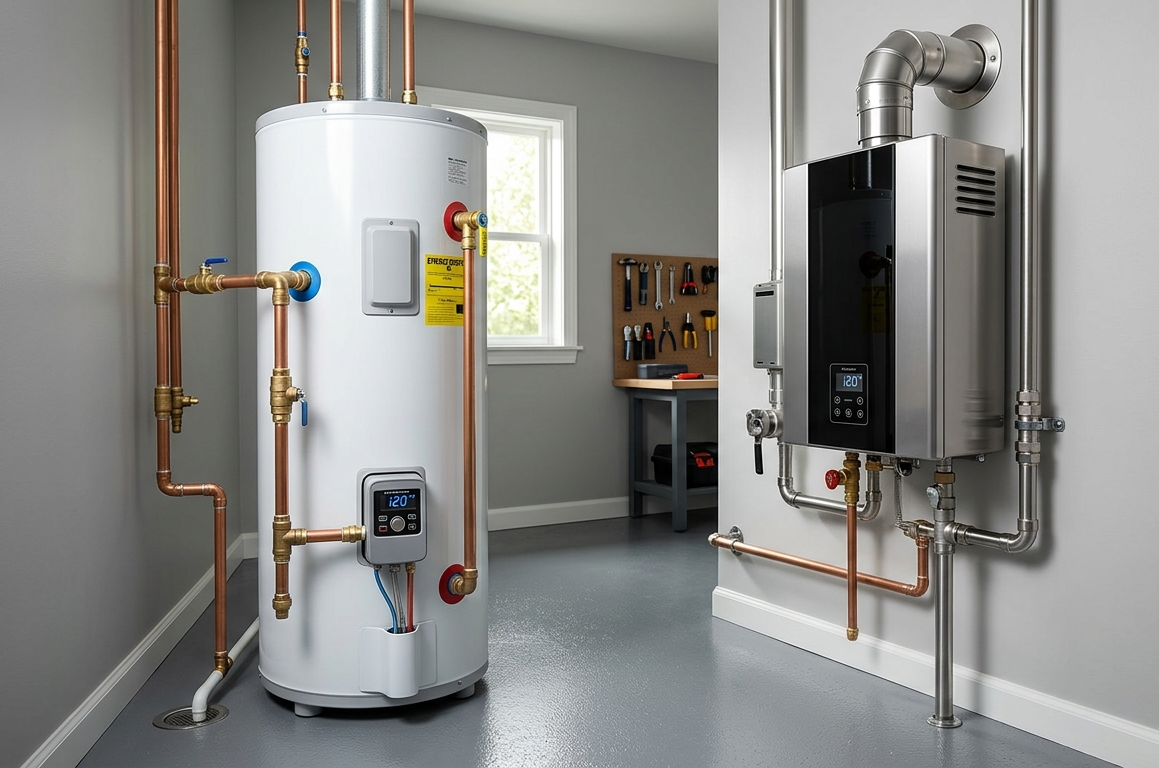
Traditional water heaters store 40 to 80 gallons of water in a large tank and heat it continuously 24 hours a day. This process wastes a massive amount of energy through standby heat loss—energy spent heating water when no one is using it.
Tankless water heaters work entirely differently:
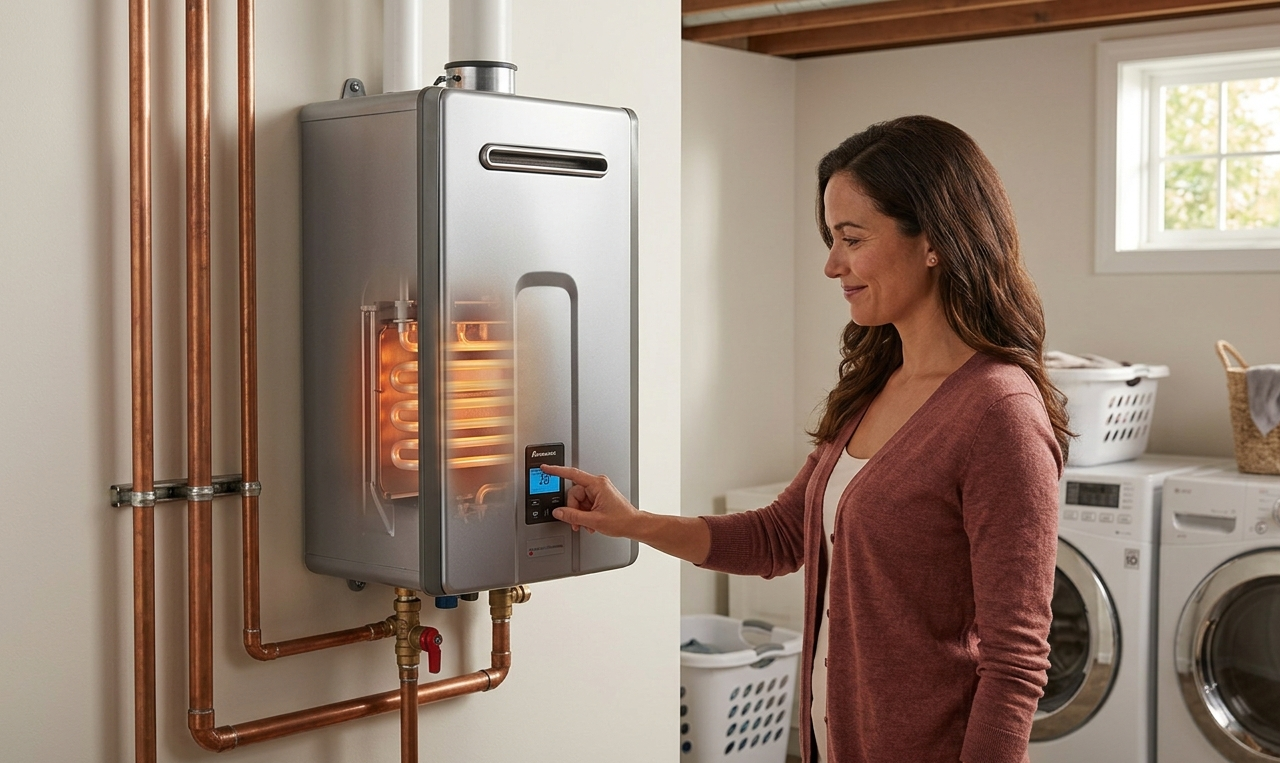
- On-Demand Activation: When you open a hot water tap in your home, a flow sensor inside the unit detects the movement of water.
- Rapid Heating: The sensor immediately ignites a gas burner or activates electric heating elements.
- Instant Comfort: Cold water flows through a high-efficiency heat exchanger, warming up to your desired temperature in seconds.
- Shut-Off: As soon as you turn off the faucet, the heating elements shut off, consuming zero energy until the next tap opens.
By heating water only when you actually need it, tankless units eliminate standby loss and ensure you never run out of hot water, even during back-to-back showers.
Major Benefits of Going Tankless
Switching from a traditional tank to a tankless system comes with several major lifestyle and financial advantages.
1. Continuous Hot Water
With a traditional tank, once you drain the heated volume, you must wait up to an hour for the tank to reheat. A properly sized tankless heater delivers a steady, endless stream of hot water for as long as the tap remains open.
2. Lower Energy Bills
Because they eliminate standby heat loss, tankless systems operate with much higher efficiency. Depending on your household's daily hot water consumption, switching can reduce your water heating energy usage by 15% to 30%.
3. Space-Saving Design
Standard water heater tanks occupy a massive footprint in your garage, basement, or utility closet. Tankless units are compact—roughly the size of a small suitcase—and are mounted directly onto a wall, freeing up valuable floor space.
4. Longer Operating Lifespan
While traditional tank heaters generally last 8 to 12 years before rusting or leaking, a well-maintained tankless heater can easily last 20 years or more. This long lifespan helps offset the initial equipment cost.
Gas vs. Electric Tankless Water Heaters
When selecting a tankless system, the primary choice comes down to power source: gas (natural gas or propane) or electric.
Gas Tankless Heaters
Gas units are the most powerful tankless options available, capable of generating higher flow rates (measured in gallons per minute or GPM). They are ideal for medium-to-large families or homes located in colder climates where incoming groundwater is very chilly.
- Pros: Higher flow rate output, lower energy costs in areas where natural gas is cheap, exceptional durability.
- Cons: Requires proper venting, gas line sizing checks, and slightly higher installation costs.
Electric Tankless Heaters
Electric units use electrical resistance elements to heat water. They are generally less expensive to purchase upfront and easier to install since they do not require dedicated exhaust venting.
- Pros: Lower initial cost, quiet operation, compact size, no gas venting required.
- Cons: Requires substantial electrical capacity (often necessitating a panel upgrade), produces lower GPM in cold climates.
Sizing Your Tankless Water Heater Correctly
To enjoy endless hot water without sudden drops in temperature, your system must be sized accurately based on your household's peak demand.
Sizing involves two critical factors:
- Gallons Per Minute (GPM): Add up the total flow rate of all fixtures you expect to run simultaneously. For example, running a shower (2.0 GPM) and a dishwasher (1.5 GPM) at the same time requires a unit capable of delivering at least 3.5 GPM.
- Temperature Rise: This is the difference between the incoming cold groundwater temperature and your desired output temperature (usually set around 120°F). If your incoming water is 50°F, you need a 70°F temperature rise.
Consulting a certified professional ensures your home gets a unit tailored precisely to your climate zone and family size.
Essential Maintenance Tips
While tankless systems require less day-to-day worry than decaying tanks, routine maintenance is essential to maintain peak efficiency:
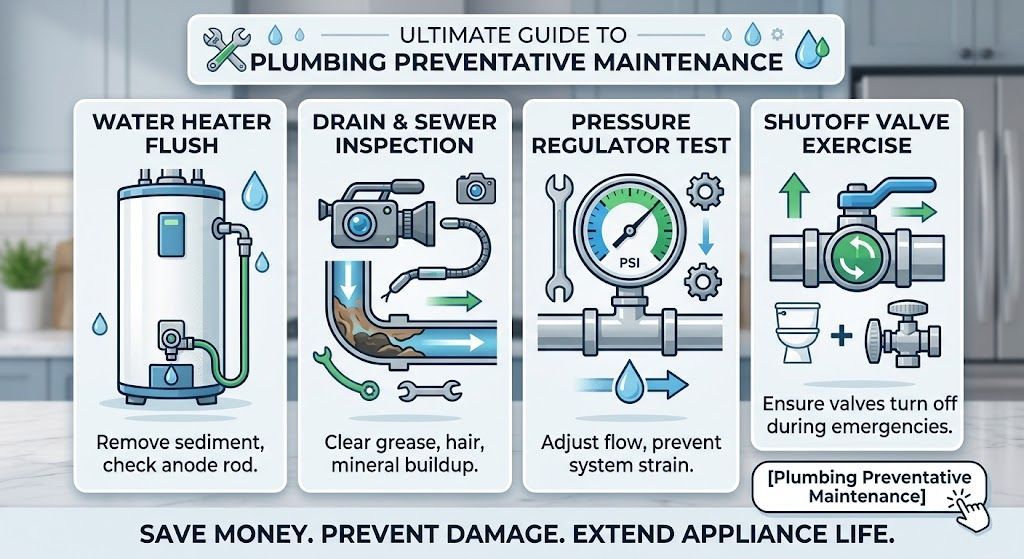
- Annual Flushing: Mineral deposits (scale) can build up inside the heat exchanger, especially in areas with hard water. Flushing the system annually with vinegar removes scale and keeps the unit running efficiently.
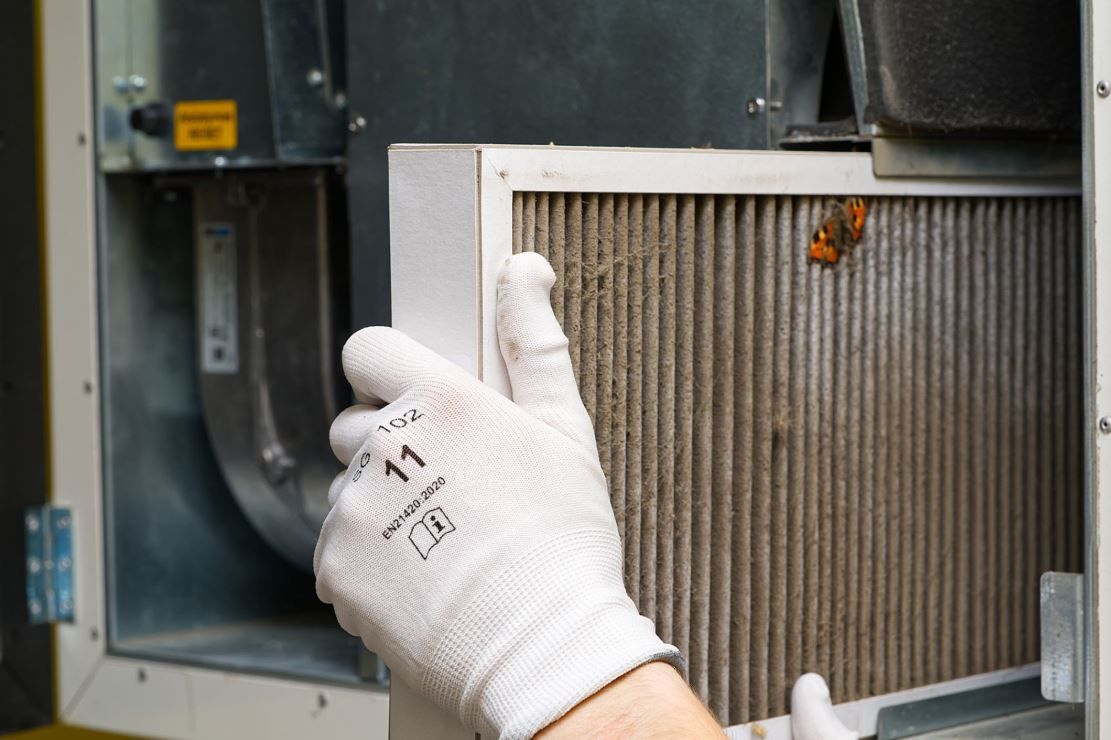
- Filter Cleaning: Most tankless units feature an inline water filter that catches sediment before it enters the heating chamber. Inspecting and cleaning this filter every few months prevents flow restrictions.
- Venting Checks: For gas models, periodically inspect the external exhaust vents to ensure they are free of debris, bird nests, or leaf blockages.
Is a Tankless Water Heater Right for Your Home?
Investing in a tankless system is one of the smartest upgrades you can make to improve your home's energy efficiency and daily comfort. While the initial investment is higher than replacing a standard tank, the combination of lower utility bills, extended equipment lifespan, and endless hot water makes it a highly rewarding long-term choice.
Whether you need a quick repair on an existing system or a full replacement, working with local experts ensures your installation meets all local safety codes. Explore your home's options for
tankless water heater installation and service to find the perfect efficiency match for your household needs.
By selecting the right fuel source, sizing the unit accurately, and keeping up with yearly flushing, your home can enjoy reliable, energy-efficient hot water for decades to come.