When most homeowners think about their plumbing system, they only give it thought when something goes wrong. A clogged drain on a busy morning, a noisy water heater in the middle of winter, or a hidden pipe burst behind a wall can turn a peaceful afternoon into a high-stress disaster. However, waiting for a major failure to occur is one of the most expensive ways to maintain a home.
By prioritizing routine care, homeowners can protect their properties, extend the lifespan of their appliances, and prevent costly water damage. Taking a proactive approach to home care relies heavily on consistent maintenance to catch minor wear and tear before it escalates into severe structural damage.
What Is Plumbing Preventative Maintenance?
At its core, preventative care is a comprehensive, regular schedule of visual inspections, chemical testing, physical flushing, and component adjustments. Rather than reacting to visible leaks or backed-up sewage lines, preventative care evaluates the entire health of your plumbing infrastructure on an ongoing basis.
Modern plumbing systems are complex networks of water supply lines, drainage pipes, pressure regulators, fixtures, shutoff valves, and gas connections. Every component operates under continuous physical stress from water pressure, thermal expansion, and mineral accumulation. Preventative maintenance identifies early warning signs—such as micro-corrosion, mineral buildup, fluctuating water pressure, or microscopic pinhole leaks—long before they trigger system-wide failures.
Why Routine Plumbing Care Matters for Your Home
Investing in standard routine inspections yields significant financial, environmental, and practical returns. While it might seem easier to ignore your plumbing until something breaks, routine care provides several key long-term benefits:
1. Significant Financial Savings
Emergency plumbing service calls often carry premium labor charges, particularly during late nights, weekends, or holidays. Beyond repair costs, unchecked leaks cause severe damage to drywall, wooden flooring, subflooring, and structural framing. Water damage cleanup quickly costs thousands of dollars. Inspecting your system regularly ensures you fix small issues like failing washer rings or degrading supply lines for minor costs instead of replacing entire rooms of ruined drywall.
2. Lower Utility Bills
Even minor leaks waste an incredible volume of water. A single toilet running continuously can waste thousands of gallons of water each month, adding unexpected costs to your monthly bill. Faucets that drip just once per second waste more than 3,000 gallons per year. Maintaining proper pressure and ensuring all valves seal correctly reduces total water consumption, lowering your monthly utility expenses.
3. Protection Against Health Hazards
Stagnant water trapped in slow-draining pipes creates an environment where mold, mildew, and bacteria thrive. Spores from toxic black mold propagate rapidly inside wall cavities exposed to slow water leaks, degrading indoor air quality and triggering severe respiratory issues for occupants. Professional maintenance keeps drains clear, prevents sewage gas infiltration, and protects your indoor air.
4. Extended Equipment Lifespan
Plumbing appliances like water heaters, garbage disposals, sump pumps, and water softeners represent major investments. Mineral scale accumulation inside a water heater, for example, forces the heating elements to work harder, accelerating wear and causing early tank failure. Regular flushes and component tune-ups can double the usable service life of these expensive appliances.
Essential Components of a Complete Plumbing Maintenance Checklist
A thorough routine maintenance routine covers every element of your supply lines and drainage systems. Below is a detailed breakdown of the critical areas inspected during a professional service call.
Water Pressure Monitoring
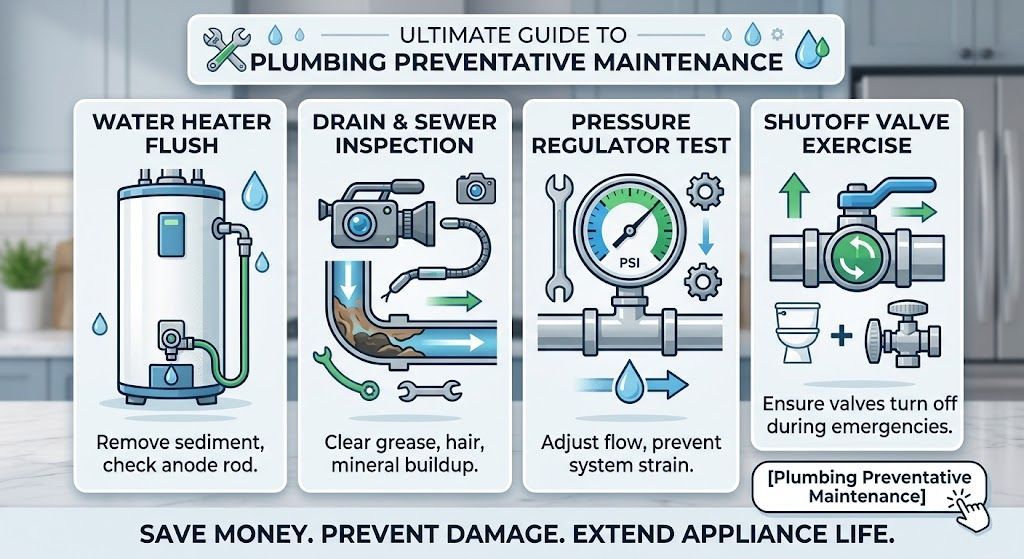
Water pressure that is either too low or too high indicates system issues. Extremely high pressure (above 80 PSI) damages fixtures, strains pipe joints, and bursts flexible appliance supply lines. A standard check involves using a calibrated pressure gauge to test water pressure at main outdoor hose bibs. If pressure fluctuates wildly, adjusting or replacing the water pressure regulator restores safe flow.
Water Heater Flushing and Testing
Water heaters require consistent care. Over time, naturally occurring minerals in hard water precipitate out and settle at the bottom of the water tank. This sediment creates a thermal barrier, causing the tank bottom to overheat, crack, or corrode prematurely. A comprehensive service visit includes:
- Flushing sediment out of the bottom drain valve.
- Inspecting the sacrificial anode rod for corrosion.
- Testing the Temperature and Pressure Relief (T&P) valve.
- Inspecting gas burner assemblies or electrical heating elements for optimal efficiency.
Drain Flow and Main Line Inspection
Drain lines slowly collect soap scum, organic debris, grease, hair, and mineral scale. Routine maintenance involves flow testing all sinks, showers, and tubs. Slow drains are cleared early before developing into complete blockages. Professional video camera pipe inspections allow technicians to look inside subterranean main sewer lines to check for tree root invasion, pipe sagging, or cracking.
Shutoff Valve and Angle Stop Testing
In a plumbing emergency, the ability to immediately shut off the water supply is your primary defense against catastrophic flooding. Over time, unused emergency shutoff valves can freeze, seize up, or corrode into place. Maintenance checks involve exercising these valves—turning them off and back on—including main line shutoffs, toilet angle stops, and sink supply valves, ensuring they function when needed.
Fixture and Appliance Inspection
Faucets, showerheads, toilets, and laundry supply hoses suffer constant wear. An inspector tests toilet flappers, fill valves, and flush seals for quiet operation and tight shutoffs. Rubber washing machine hoses are inspected for cracking, bulging, or brittleness, which can lead to unexpected bursts under pressure. Replacing aged rubber hoses with braided stainless-steel lines prevents severe home flooding.
Seasonal Maintenance Tasks for Homeowners
While professional plumbers handle complex diagnostics, homeowners can perform basic checks each season to maintain system efficiency:
Spring and Summer
- Inspect Exterior Hose Bibs: Check outdoor spigots for freeze damage from winter. Cover the outlet with a finger while turning the water on; if this stops the water flow entirely, the pipe inside the wall may be cracked.
- Test Sprinkler Backflow Preventers: Ensure irrigation lines meet municipal safety codes and prevent non-potable lawn water from backing into your clean drinking supply.
- Clean Garbage Disposal: Grind ice cubes, citrus peels, and a drop of dish soap through the disposal to clear buildup and eliminate lingering odors.
Autumn and Winter
- Disconnect Outdoor Hoses: Remove all garden hoses before the first freeze to allow spigots to drain completely, preventing cracked supply lines.
- Insulate Exposed Pipes: Wrap foam pipe insulation around unheated pipes in basements, crawlspaces, attics, or garages to prevent freezing during cold snaps.
- Check Water Heater Performance: As incoming groundwater temperatures drop, water heaters work harder. Adjust water heater settings to a safe, efficient 120°F.
DIY vs. Professional Maintenance: Knowing the Limits
Many homeowners handle basic maintenance tasks, such as cleaning drain strainers, replacing faucet aerators, or changing toilet flappers. However, relying purely on DIY care leaves significant gaps in home protection.
Dangerous Common DIY Errors
- Chemical Drain Cleaners: Caustic drain chemicals produce harsh chemical reactions that damage older metal pipes and melt PVC joints. They also pose safety risks to plumbers if the clog requires manual removal later.
- Over-Tightening Fittings: Using too much force on plumbing nuts, valves, or supply lines strips threads, cracks rubber gaskets, and causes hidden leaks inside walls.
- Ignoring Code Requirements: Plumbing systems must adhere to local municipal building codes for safety, proper venting, and backflow prevention. Incorrect DIY repairs can lead to fines or complications during home sales.
The Value of Professional Plumbing Equipment
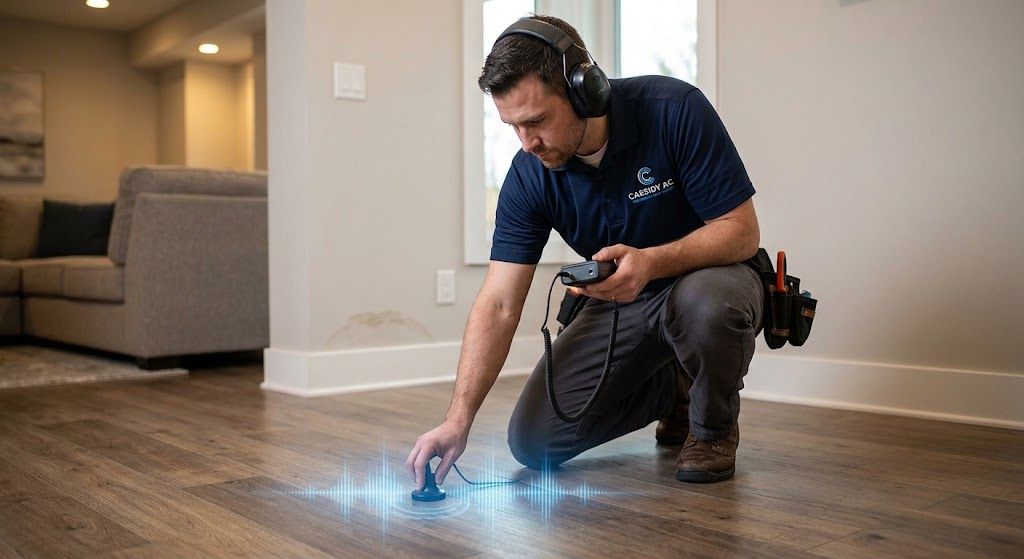
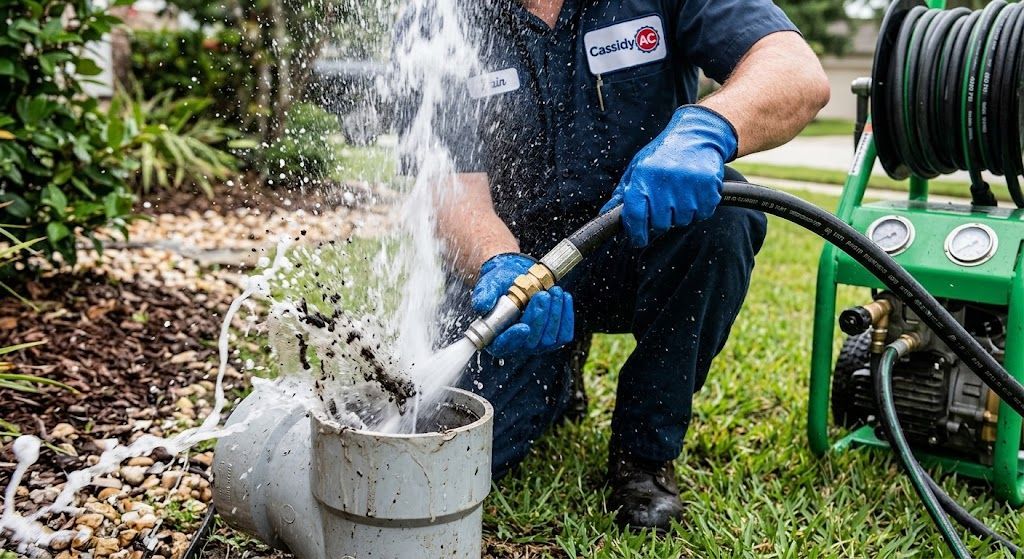
Professional plumbers utilize specialized diagnostic tools that typical homeowners do not possess. Hydro-jetting equipment uses ultra-high-pressure water streams to scrub pipe walls clean without chemicals. Digital camera lines navigate deeply buried drainage pipes to pinpoint structural flaws accurately. Advanced electronic leak detection equipment locates hidden, silent slab leaks through concrete foundations without invasive tearing into drywall.
Joining a Dedicated Home Maintenance Program
The easiest way to ensure your plumbing receives consistent care is by enrolling in a dedicated maintenance plan. Professional service memberships simplify home care by organizing yearly checkups on an automated schedule.
Subscribing to a trusted care plan offers several distinct advantages:
- Priority Service: When unexpected emergencies occur, plan members receive priority booking, skipping long service waitlists during peak weather events.
- Exclusive Discounts: Membership programs frequently offer percentage discounts on repairs, replacement parts, and major system upgrades.
- Detailed Record-Keeping: Comprehensive inspection reports document your system’s ongoing condition over time, providing valuable proof of care for insurance claims or home buyers.
To protect your property, prevent unexpected system failures, and keep your utility bills low, sign up for
Plumbing Preventative Maintenance from experienced technicians. Protecting your home with dedicated professional care ensures your water lines, fixtures, and drainage systems run reliably year after year.
Frequently Asked Questions About Plumbing Care
How often should a home plumbing system be professionally inspected?
A comprehensive professional inspection is recommended at least once per year. Homes with older galvanized pipes, mature trees near underground sewer lines, or high household water usage benefit from biannual checks.
Why does my water heater make a rumbling or popping noise?
Rumbling or popping noises inside a water heater indicate heavy sediment buildup at the bottom of the tank. As water gets trapped beneath the sediment layer and boils, it creates popping bubbles. Flushing the water heater tank resolves this issue and restores normal heating efficiency.
What is the ideal water pressure for a residential home?
Standard residential water pressure should range between 40 and 70 PSI (pounds per square inch). Pressure consistently exceeding 80 PSI damages appliances, degrades valve seals, and creates water hammer, requiring a professional pressure-reducing valve adjustment.