Maintaining a comfortable home environment requires a system that functions seamlessly throughout the year. Heating, ventilation, and air conditioning systems represent one of the largest energy expenses in any modern residence or commercial building. Without proper upkeep, performance degrades, utility bills soar, and components suffer unnecessary wear. Following a structured routine for regular preventative care ensures consistent indoor comfort, preserves air quality, and extends system lifespan.
This comprehensive guide breaks down step-by-step practices for maintaining high system performance, troubleshooting basic issues, and managing routine upkeep effectively.
Why Consistent System Care Matters
An HVAC unit operates continuously to regulate indoor temperature, control humidity, and filter out airborne pollutants. When minor issues remain unaddressed, overall performance drops significantly.
- Reduced Energy Consumption: Clean filters, clear drainage lines, and calibrated thermostats reduce operating strain, saving up to 20% on monthly electric bills.
- Extended Equipment Lifespan: Regular system inspections reduce wear on high-stress components like compressors and blower motors.
- Enhanced Indoor Air Quality: Routine clearing of dust, pollen, and biological growth improves indoor air for sensitive household members.
- Prevention of Sudden Emergency Repairs: Identifying minor mechanical issues early prevents costly breakdowns during extreme seasonal weather.
Consistent, proactive care yields long-term financial and operational benefits.
Essential Monthly Homeowner Tasks
While professional tune-ups handle heavy mechanical evaluations, key tasks must be managed regularly by property owners.
Step 1: Inspect and Replace Air Filters
Air filters trap dust, pet dander, and outdoor debris before air enters the return ducts. Restricted airflow caused by clogged filters forces the system to work harder, increasing energy use and running up utility expenses.
- Locate the filter frame inside return grilles or near the handler cabinet.
- Turn off the system at the thermostat before removing the old filter.
- Check the MERV rating (Minimum Efficiency Reporting Value) to ensure proper balance between filtration and airflow.
- Replace disposable filters every 30 to 90 days, or clean washable filters according to manufacturer specifications.
Step 2: Clear the Condensate Drain Line
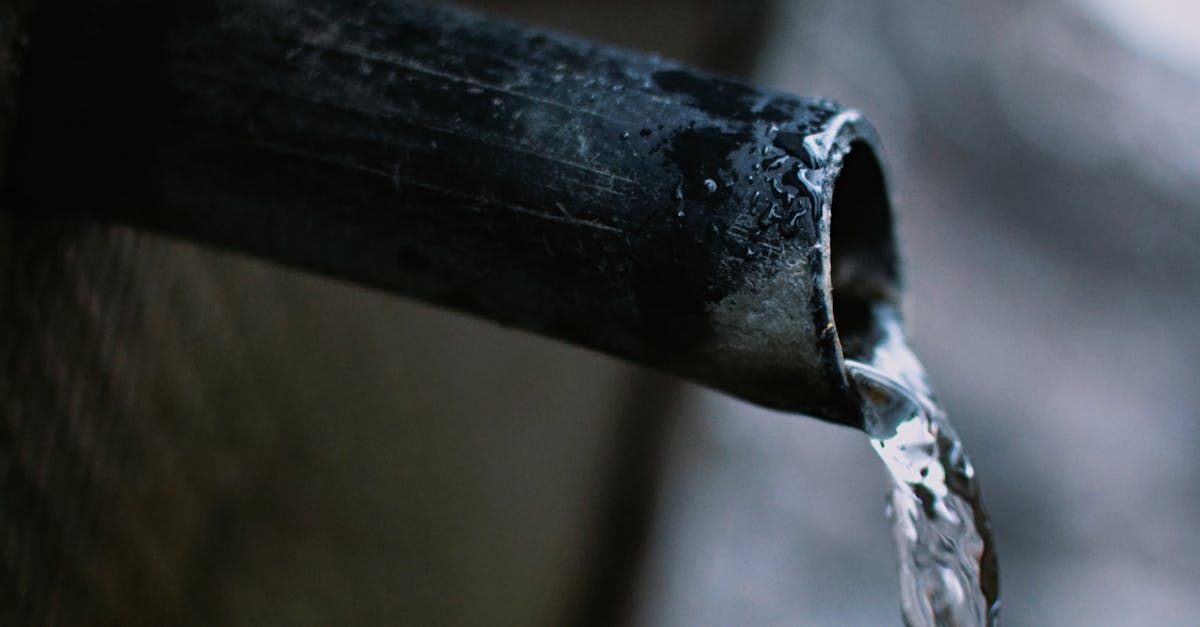
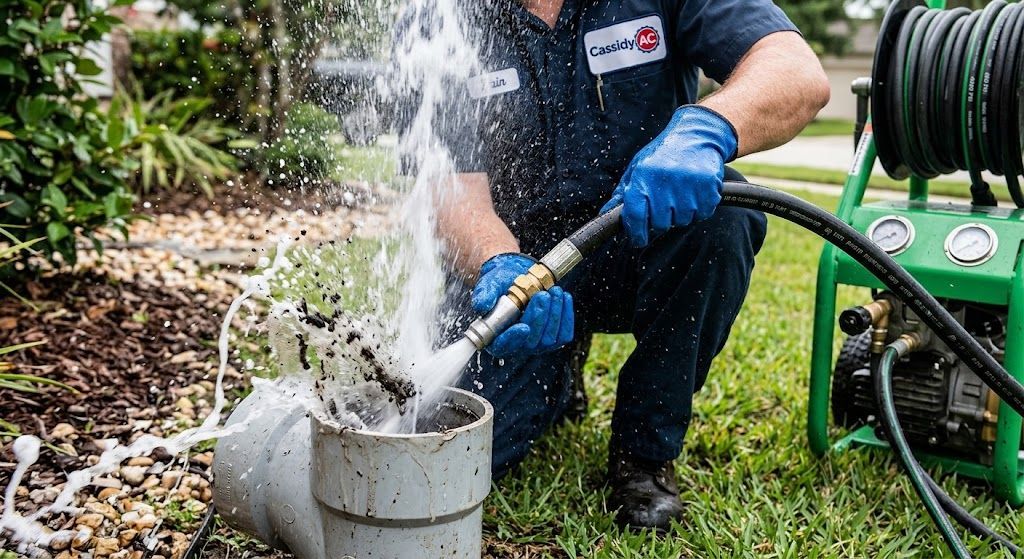
Cooling systems pull moisture out of the air during operation. This condensation drips into a drain pan and flows out through a dedicated PVC line. Over time, algae and mold can block the line, causing water overflows and potential property damage.
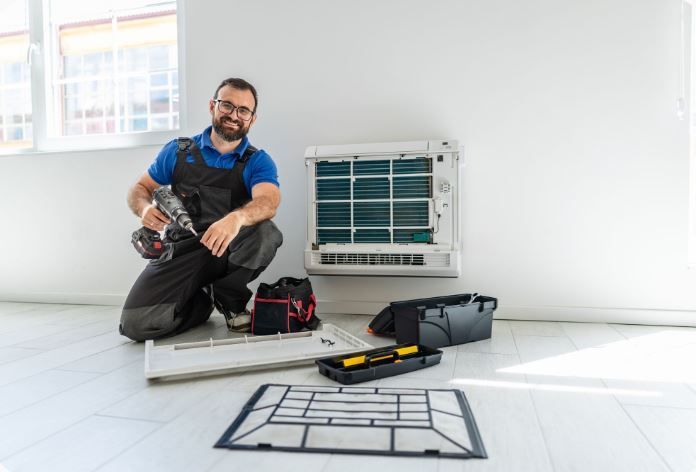
- Locate the condensate line access port near the indoor air handler.
- Remove the access cap carefully.
- Pour one cup of regular household white vinegar down the line to flush away buildup and bacteria.
- Ensure the outdoor drainage outlet flows freely without blockages.
Outdoor Unit Care and Clearance
The outdoor condenser unit releases heat absorbed from inside the building. Proper airflow around this component is critical for peak cooling efficiency.
Step 3: Maintain Clearance Around the Condenser
Debris, tall grass, shrubs, and lawn furniture around the outdoor unit block intake air, driving up compressor temperatures.
- Maintain at least two feet of clear space around the entire perimeter of the outdoor unit.
- Trim back overhanging branches, hedges, and invasive plants.
- Remove leaves, lawn clippings, and fallen twigs from the top grille regularly.
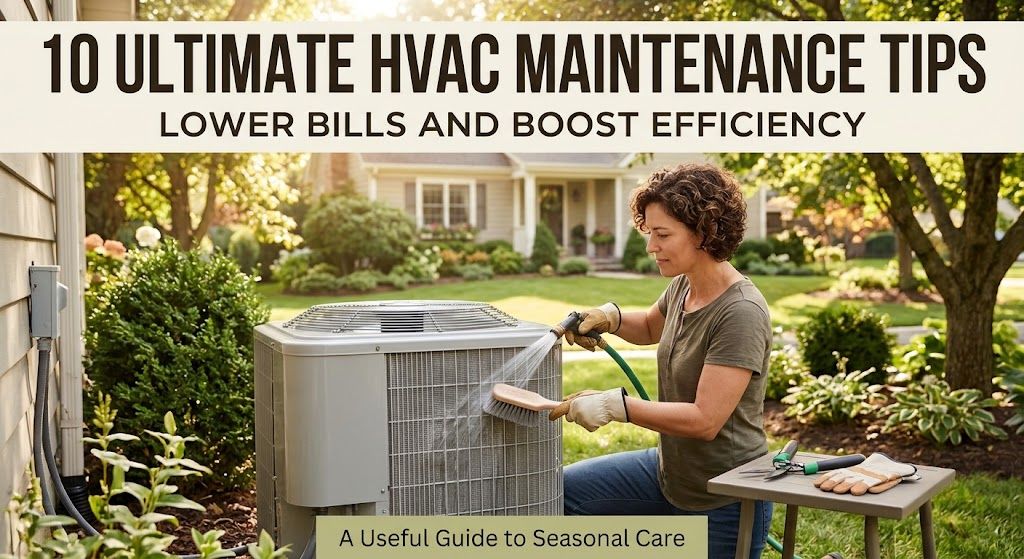
Step 4: Clean the Condenser Fins
Metal fins on the exterior unit can gather dirt, grass, and dust, restricting airflow through the coils.
- Shut off electrical power to the outdoor unit via the circuit breaker or disconnect box.
- Use a soft brush or vacuum with a brush attachment to gently clear loose debris from the exterior fins.
- Spray the fins from the inside out using a garden hose set to low pressure. Avoid using high-pressure sprayers, which can bend fragile aluminum fins.
Optimizing Thermostat Settings and Controls
Managing controls effectively helps reduce mechanical stress and keeps energy consumption predictable.
Step 5: Upgrade to Smart or Programmable Thermostats
Programmable controls automate temperature adjustments based on daily schedules. Lowering output while occupants are away reduces daily runtime without compromising comfort upon return.
Step 6: Maintain Accurate Calibration
Uncalibrated thermostats cause heating and cooling systems to cycle incorrectly or run longer than necessary.
- Place indoor digital thermometers near the thermostat to verify temperature accuracy.
- Ensure heat-generating appliances, lamps, and direct sunlight sources are kept away from the thermostat sensor to avoid false readings.
Seasonal System Care Checklist
Preparing equipment before seasonal shifts ensures smooth transitions between heavy cooling and heating demands.
SPRING / SUMMER PREPARATION
[ ] Inspect, clean, or replace air filters
[ ] Flush condensate drain line with vinegar solution
[ ] Clear 2-foot radius around outdoor condenser unit
[ ] Clean outdoor coil fins of dirt, leaves, and debris
[ ] Verify thermostat calibration and cooling schedule
FALL / WINTER PREPARATION
[ ] Inspect furnace heat exchangers or heating elements
[ ] Replace air filters prior to winter startup
[ ] Inspect ductwork connection points for visible leaks
[ ] Test heating functionality before cold weather sets in
[ ] Clean indoor supply vents and return grilles
Common System Issues and Troubleshooting Steps
Addressing initial operational warning signs quickly helps avoid major component failures down the road.
Inconsistent Cooling or Weak Airflow
- Possible Cause: Clogged air filter, closed air vents, or leaky ductwork.
- Action Plan: Replace the air filter, open all supply registers, and ensure return vents remain unblocked by drapery or furniture.
Unusual Mechanical Noises
- Possible Cause: Loose components, failing motor bearings, or unbalanced fan blades.
- Action Plan: Shut down the system immediately. Squealing, banging, or grinding noises require professional technical evaluation to avoid major motor damage.
Water Leaks Near the Indoor Handler
- Possible Cause: Blocked condensate line, damaged drain pan, or frozen evaporator coil.
- Action Plan: Turn off cooling immediately. Clear the drain line or allow frozen coils to thaw before restarting.
When to Schedule Professional Service
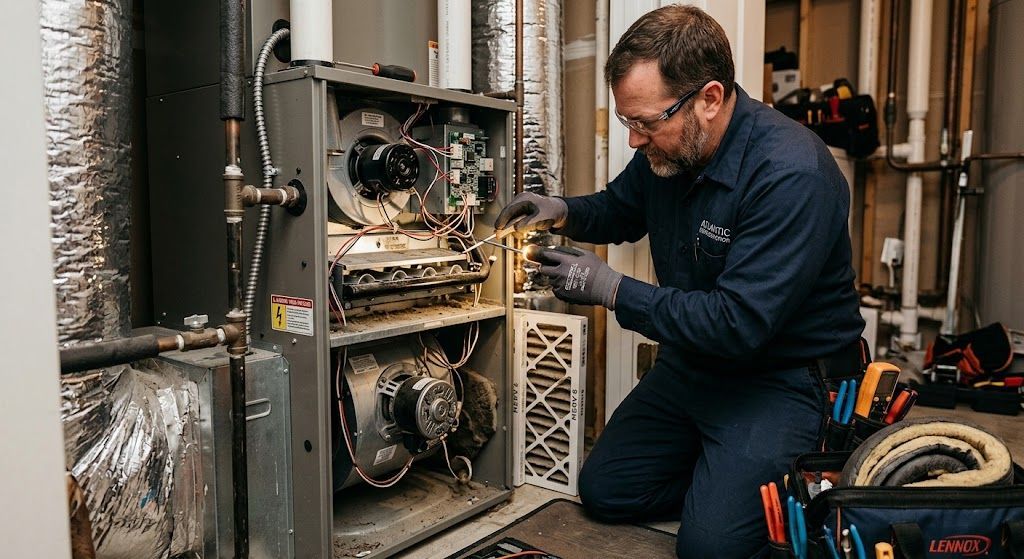
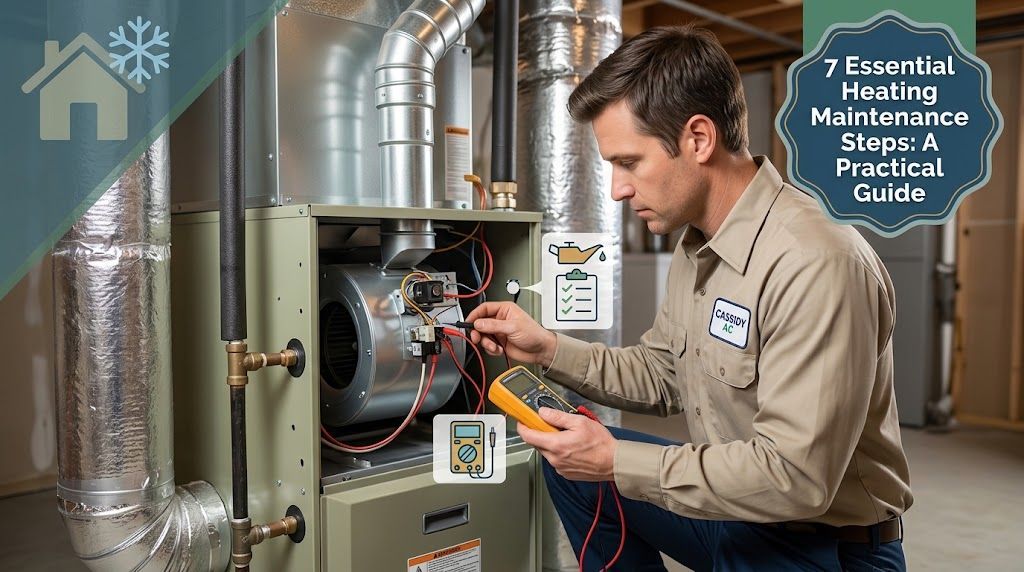
While homeowner upkeep forms a strong foundation, full mechanical inspections require professional expertise. Professional service covers complex tasks such as refrigerant charge verification, electrical voltage testing, blower assembly balancing, and internal coil sanitation. Scheduling comprehensive inspection services twice per year—once before summer and once before winter—keeps equipment operating at peak manufacturer efficiency.
Partnering with experienced local technicians ensures that minor mechanical wear is diagnosed early. For comprehensive, reliable care tailored to your home's unique needs, schedule professional
HVAC maintenance with trusted experts to preserve equipment performance and maximize energy savings year-round.
Key Takeaways for Long-Term Performance
Establishing routine home care routines protects your indoor comfort system against unexpected breakdowns and unnecessary efficiency losses.
- Change filters regularly: Clean airflow prevents premature strain on compressors and blower motors.
- Keep outdoor units clear: Unrestricted air intake keeps operating temperatures low and cooling capacity high.
- Flush drain lines: Preventing clog buildup protects your home from moisture damage.
- Schedule bi-annual inspections: Professional tune-ups keep major components running safely and efficiently year-round.