What Is Backflow and Why Is It Dangerous?
Clean water flowing seamlessly from your taps is something most homeowners and business owners take for granted every day. You turn on the faucet, and fresh, potable water comes out. However, beneath the surface of your property’s plumbing infrastructure lies a complex network of pressurized pipes designed to keep safe drinking water strictly separated from wastewater and external contaminants. When the direction of that flow is unexpectedly reversed, a serious plumbing hazard occurs: backflow.
Backflow happens when contaminated water, chemicals, sewage, or greywater flow backward into your main potable water supply line. Instead of polluted water draining away from your home or commercial facility, pressure imbalances draw dangerous substances into the clean water network. This poses an immediate health risk to everyone relying on that water supply for drinking, cooking, bathing, and cleaning.
Understanding how backflow occurs, recognizing the risks involved, and implementing proper
backflow prevention measures are critical steps in protecting public health, ensuring property safety, and staying compliant with local municipal codes.
The Physics Behind Backflow: Back-Siphonage vs. Back-Pressure
To understand how contaminated water makes its way into clean lines, it helps to examine the two physical mechanisms that drive backflow:
back-siphonage and
back-pressure.
1. Back-Siphonage
Back-siphonage occurs when there is a sudden drop in pressure within the main public water distribution system. This pressure drop creates a vacuum or suction effect inside the plumbing lines, drawing stagnant or contaminated water from connected sources backward into the main drinking line.
Common causes of back-siphonage include:
- Main Water Line Breaks: A burst municipal water pipe rapidly drains pressure from the system, pulling water backward from surrounding private connections.
- Fire Hydrant Usage: High-volume water draw by fire departments battling a blaze nearby can create a sudden vacuum in neighboring service pipes.
- Heavy Municipal Water Demand: Peak usage spikes across a city grid can cause localized pressure drops.
Think of back-siphonage like drinking liquid through a straw. When you draw air out of the straw, suction pulls the liquid up. If a main water line loses pressure, it acts like a giant straw, sucking standing water out of irrigation lines, pools, or industrial equipment back into the clean line.
2. Back-Pressure
Back-pressure occurs on the consumer side of the meter when downstream pressure exceeds the pressure supplied by the municipal water system. When equipment on your property generates higher pressure than the incoming city water main, wastewater is forced upstream into the drinking water line.
Common causes of back-pressure include:
- Boilers and Heating Systems: High-pressure commercial or residential boilers connected directly to water feed lines.
- Pressurized Pumps: Booster pumps, irrigation pumps, or fire suppression systems operating at high pressures.
- Elevated Storage Tanks: Gravity head pressure created by water stored at high elevations on a property.
Common Cross-Connections in Residential and Commercial Plumbing
A
cross-connection is any physical link between a potable water system and a non-potable liquid, gas, or substance. Without proper mechanical barriers, every cross-connection represents a vulnerability where backflow can occur.
- Lawn Irrigation Systems (High Hazard): Can introduce fertilizers, pesticides, animal waste, and soil bacteria into drinking water. Typically protected using a Reduced Pressure Zone (RPZ) Assembly.
- Submerged Garden Hoses (Moderate to High Hazard): Left sitting in pools, wash buckets, or chemical sprays, hoses can siphon soapy water or chemicals back into home plumbing. Protected using a Hose Bibb Vacuum Breaker.
- Boilers & Hydronic Heating (High Hazard): Closed-loop heating systems contain heavy metals, anti-corrosion chemicals, and toxic glycol. Protected using a Reduced Pressure Zone (RPZ) Assembly.
- Commercial Fire Sprinklers (High Hazard): Fire lines hold stagnant, black water with rust and chemical additives for long periods. Protected using Double Check Valve Assemblies (DCVA) or RPZ devices.
- Commercial Kitchens & Soda Machines (Moderate Hazard): Pressurized carbon dioxide and concentrated syrups can react with copper pipes and contaminate lines. Protected using a Dual Check Valve with Atmospheric Vent.
Essential Types of Backflow Prevention Devices
Preventing backflow requires installing specialized mechanical assemblies engineered to block reverse flow under varying pressure conditions. Depending on the hazard level and application, certified plumbers install several distinct types of assemblies:
1. Hose Bibb Vacuum Breakers (HBVB)
The simplest and most common residential device, a hose bibb vacuum breaker screws directly onto outdoor garden hose faucets. When pressure drops on the supply side, a small valve opens to admit air into the line, breaking the vacuum and preventing garden hose water from being siphoned back into the house.
2. Pressure Vacuum Breaker Assemblies (PVB)
PVB assemblies are widely used for outdoor residential lawn sprinkler and irrigation systems. They feature a spring-loaded check valve and an air inlet valve. They protect against back-siphonage (but not back-pressure) and must be installed at least 12 inches above the highest downstream outlet or sprinkler head on the line.
3. Double Check Valve Assemblies (DCVA)
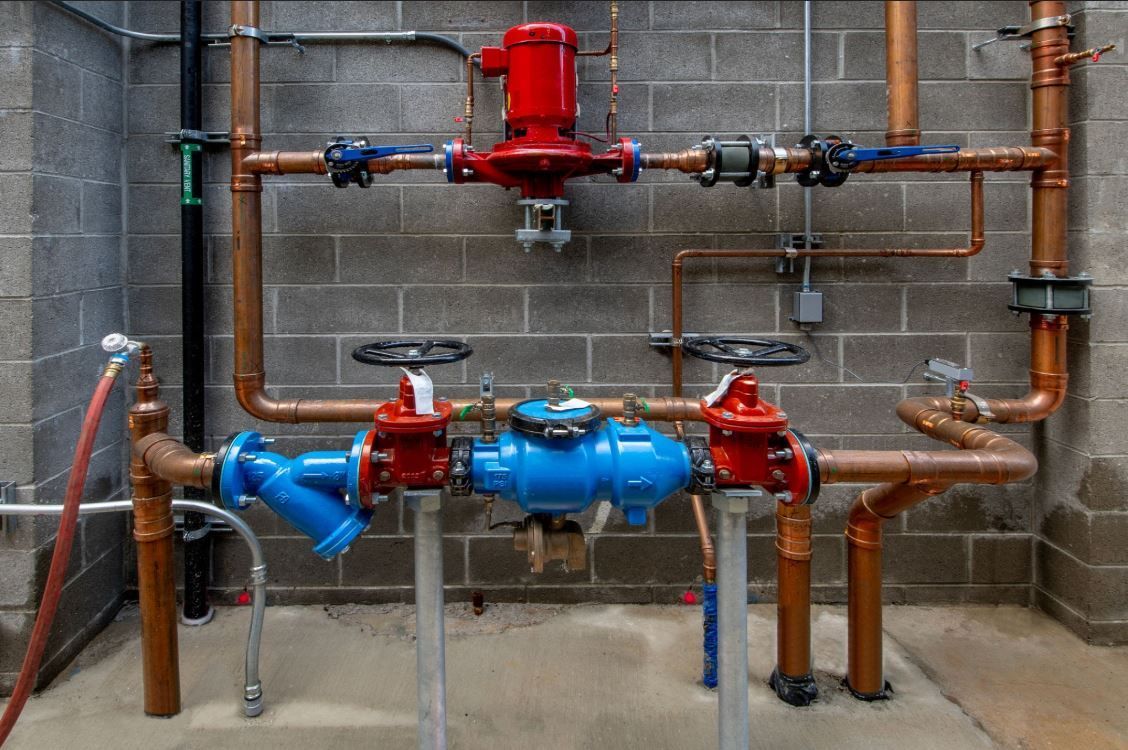
A DCVA consists of two independently acting, spring-loaded check valves inline within a single body, flanked by shutoff valves and test cocks. If one valve fails or lodges open, the second valve provides a reliable backup. DCVAs are typically installed in low-to-medium hazard applications, such as standard fire line systems or commercial building service lines.
4. Reduced Pressure Zone (RPZ) Assemblies
RPZ devices offer the maximum level of mechanical backflow protection available. An RPZ consists of two independent check valves separated by a hydraulically operated relief valve located in a central chamber.
If both check valves fail or if a pressure differential occurs, the central relief valve opens to atmosphere and discharges dirty water safely out of the unit rather than allowing it to move upstream. RPZ devices are mandatory for high-hazard cross-connections, including chemical feed lines, commercial boilers, medical facilities, and lawn irrigation systems utilizing chemical injection.
Why Annual Backflow Testing Is Mandatory
Because backflow assemblies contain moving internal parts—such as rubber seals, springs, and moving plungers—they are subject to wear and tear, mineral buildup, and mechanical failure over time. A malfunctioning backflow assembly provides a false sense of security, leaving your property unprotected without giving any visible warning.
For this reason, state environmental protection agencies, local health departments, and municipal water purveyors strictly enforce annual testing mandates for commercial properties and specific residential systems (like irrigation and pool lines).
What Happens During a Professional Backflow Test?
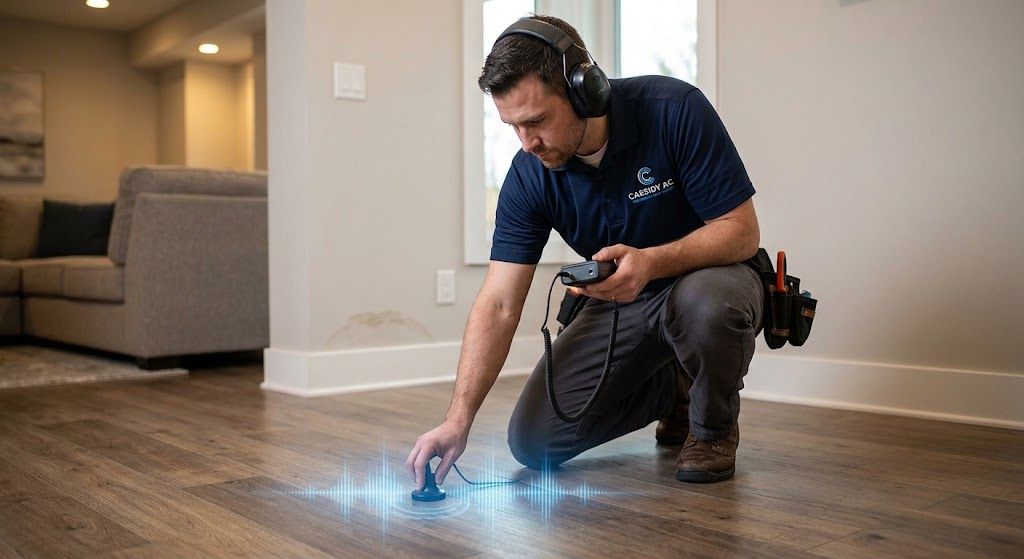
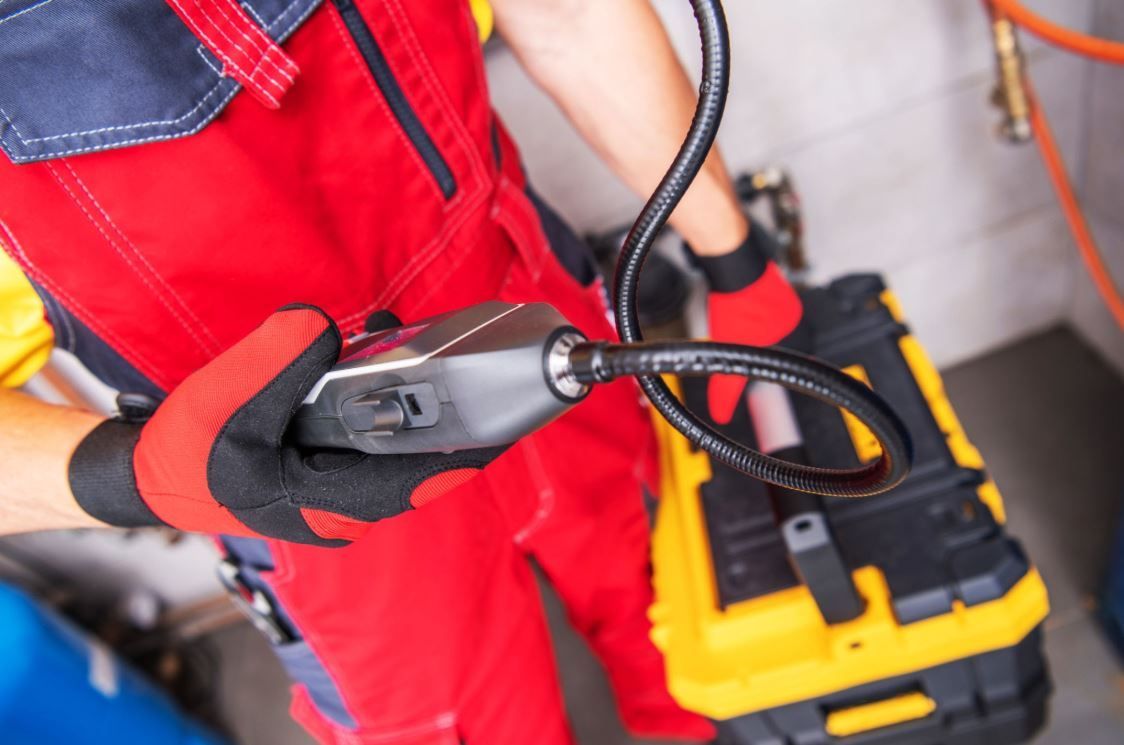
During a standard inspection, a state-certified backflow technician uses calibrated differential pressure gauges attached to the device's test cocks to perform the following checks:
- Verify Check Valve Closure: Tests whether the first and second check valves seal tightly against back-pressure and prevent reverse flow.
- Measure Relief Valve Opening: On RPZ units, measures the exact pressure differential at which the relief valve opens to vent water.
- Inspect Air Inlets: Ensures vacuum breaker air valves open cleanly when supply pressure drops.
- Submit Compliance Documentation: After passing, the certified technician files official test reports with your municipal water authority to keep your account in full compliance.
Signs You May Need Immediate Plumbing Inspection
While annual testing is the standard preventive measure, plumbing emergencies can occur between routine inspections. You should contact a licensed professional immediately if you observe any of the following warning signs:
- Discolored or Turbid Water: Water from faucets appearing brown, yellow, rusty, or cloudy.
- Unusual Odors or Tastes: Water smelling sulfurous, chemical, or metallic, or tasting foul.
- Sudden Pressure Drops: Noticeable drops in water volume at multiple fixtures simultaneously.
- Visible Discharging from RPZ Valve: Continuous dumping or pulsing of water from an RPZ relief valve line, indicating internal component fouling or pressure spikes.
- Code Enforcement Notices: Official letters from your local water utility demanding an updated backflow test or retrofitted installation.
Protecting Your Water Supply with Professional Service
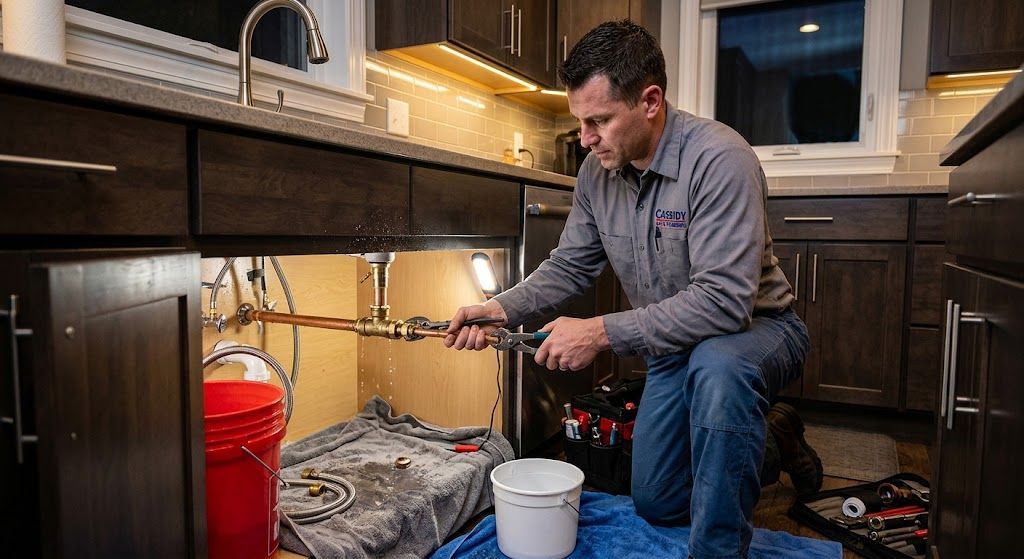
Safeguarding clean water is essential for your family's health and your business's legal compliance. Whether installing a new irrigation connection, upgrading an outdated system, or fulfilling your mandatory annual inspection, working with trained specialists ensures your property remains fully protected against contamination.
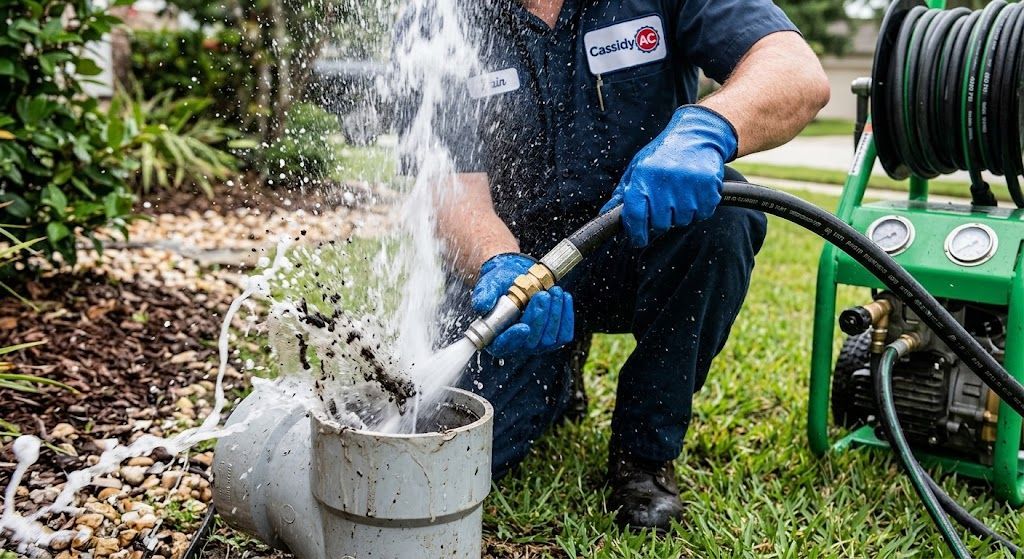
For expert inspection, emergency repairs, code-compliant installations, and certified testing, trust the experienced team at Cassidy AC for all your professional
backflow prevention requirements. Their licensed technicians ensure your plumbing infrastructure stays safe, efficient, and fully up to municipal standards year after year.
By staying proactive with regular testing and timely mechanical upgrades, you protect your property investment and play a vital role in preserving the safety of your broader community's drinking water supply.