Water is the lifeblood of any residential property, flowing silently through walls, floors, and underground networks to keep your daily routines moving smoothly. However, when that contained water breaches your plumbing infrastructure, it transforms from an essential resource into one of the most destructive forces a homeowner can face. Water leaks rarely announce themselves with massive, dramatic bursts right away. More often, they begin as quiet, slow drips hidden far out of sight behind drywall, beneath subflooring, or deep within concrete foundation slabs. By the time visible symptoms appear, thousands of dollars in structural damage may already have accrued.
Understanding how water moves through your home, recognizing the subtle signs of unseen pipe failure, and knowing when to call in professional intervention are critical steps in preserving your property’s value, structural integrity, and indoor health. Modern technology has revolutionized how homeowners locate hidden moisture, eliminating the need to tear down walls or destroy flooring based on guesswork alone. Comprehensive home maintenance requires an active defense against hidden plumbing issues, and early detection is your single best tool to prevent catastrophic water damage.
The Hidden Danger of Unnoticed Water Leaks
Why are hidden leaks so uniquely dangerous to a home? Unlike a clogged drain or a broken appliance that demands immediate attention, a concealed pipe leak can operate silently for months or even years. During this time, constant moisture interacts with structural materials in ways that compromise the safety and health of the entire living space.
Structural Degradation and Material Decay
Wood framing, drywall, insulation, and subflooring are porous materials designed to remain dry. When continuous moisture saturates these components, timber begins to rot, drywall softens and crumbles, and metal fasteners corrode. Over time, load-bearing studs can lose their structural strength, leading to sagging ceilings, warped floors, and unsafe living conditions.
Foundation Damage and Slab Deterioration
Many homes are built on concrete slab foundations, with copper or PEX supply lines running directly beneath or through the poured concrete. A pinhole leak in a subterranean supply line—commonly referred to as a slab leak—can wash away the supporting soil underneath your home. As the ground shifts and voids form, the concrete slab can crack, settle, or shift, leading to massive structural repair bills that go far beyond standard pipe fixes.
Mold Growth and Indoor Air Quality Hazards
Microscopic mold spores exist naturally in the air, but they require only two things to flourish: organic material and moisture. Within 24 to 48 hours of water exposure, toxic mold colonies such as Stachybotrys chartarum (black mold) can take root behind drywall and under carpets. Mold spreads rapidly through heating and cooling systems, releasing spores and volatile organic compounds (VOCs) that trigger severe respiratory issues, allergies, asthma attacks, and long-term health complications for occupants.
Financial Drain and Resource Waste
Even a tiny leak dropping at a rate of one drop per second wastes over 3,000 gallons of water per year. Larger hidden line breaches can waste tens of thousands of gallons in a single month, causing utility bills to skyrocket unexpectedly. The financial loss isn't limited to water costs; the cumulative price of unrestored structural damage, mold remediation, and emergency plumbing overhauls pales in comparison to the minimal investment required for proactive, early identification.
Warning Signs Every Homeowner Should Monitor
Because most water lines are buried within walls or foundation structures, homeowners must rely on secondary indicators to detect early failure. Learning to read these physical and operational warnings allows you to take swift action before minor leaks turn into full-scale structural emergencies.
Unexplained Spikes in Utility Bills
If your water consumption habits haven't changed—no new landscaping, no additional houseguests, no swimming pool fills—but your monthly water bill shows a sudden, persistent spike, an unseen plumbing leak is almost certainly the culprit. Tracking your monthly usage numbers gives you a clear benchmark for what constitutes normal consumption.
Changes in Water Pressure
A sudden drop in water pressure across multiple fixtures or within a single zone often signals that water is escaping somewhere before reaching the tap. If your showerhead suddenly lacks force or your faucets trickle, a main line or branch line breach may be diverting flow elsewhere.
Unfamiliar Noises in the Plumbing System
Do you hear the faint sound of running, hissing, or dripping water when all taps, showers, and water-using appliances are completely turned off? Water escaping under pressure through a hairline crack or loose fitting creates acoustic vibrations that travel along copper and PVC pipes, providing a direct warning sign that water is escaping inside a cavity.
Unexplained Damp Spots, Discoloration, or Buckling
Keep a close eye on your interior finishes. Ceiling stains shaped like rings, peeling paint, bubbling wallpaper, warped hardwood, or soft spots in linoleum and carpet all indicate water accumulation nearby. On ground levels, warm or cold spots on concrete tile floors often point directly to an active slab leak running through hot or cold supply pipes buried below.
Persistent Musty Odors
Persistent, damp, or earthy smells in specific rooms, hallways, or crawlspaces point to hidden moisture accumulation. Even if you cannot see standing water or mold growth, your sense of smell can easily register damp insulation and damp wood hidden inside enclosed wall cavities.
Advanced Non-Invasive Technologies Used by Professionals
In years past, finding a hidden pipe leak was a destructive process. Plumbers had to break through drywall, rip up hardwood floors, or jackhammer concrete slabs based on educated guesses. Modern plumbing engineering has replaced destructive exploration with non-invasive diagnostic tools that allow certified technicians to pinpoint the exact location of a leak with pinpoint accuracy without damaging your home.
Acoustic Listening Equipment and Ground Microphones
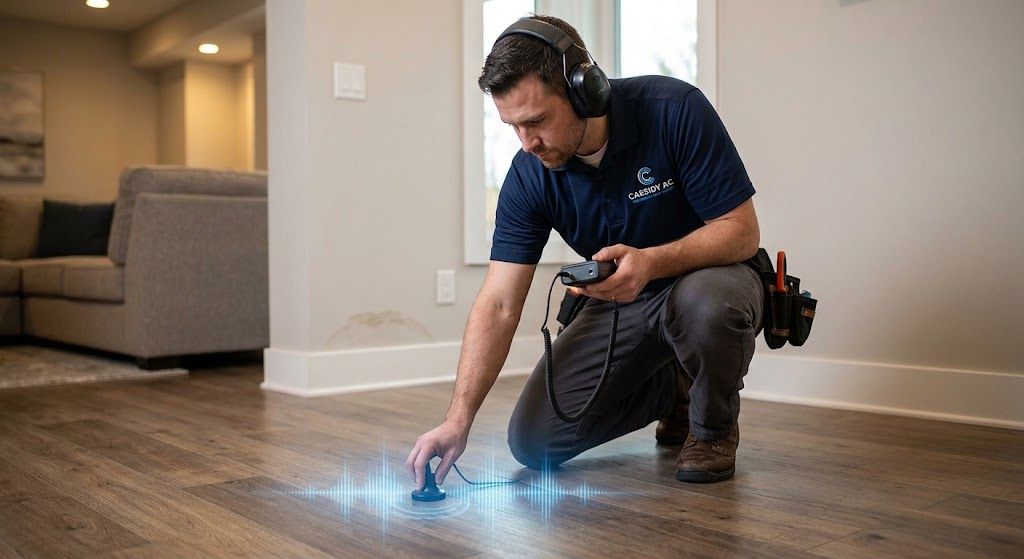
Water flowing through a pipe under pressure creates specific sonic frequencies. When a pipe breaks, water escaping into the surrounding soil or wall cavity produces acoustic signals. Trained specialists use highly sensitive ground microphones, hydrophones, and digital acoustic amplifiers to listen through concrete slabs, thick soil, and solid walls. By measuring sound intensity, technicians can pinpoint the origin of the leak to within a few inches.
Infrared Thermography (Thermal Imaging Cameras)
Thermal imaging cameras detect tiny temperature differences on surface materials like drywall, plaster, and concrete floors. Because leaking water alters the temperature of surrounding building elements—either cooling them through evaporation or warming them from hot water supply lines—thermal cameras reveal hidden moisture plumes as distinct color patterns on a monitor screen. This non-destructive technique reveals damp pockets buried inside walls without opening a single panel.
Video Pipe Inspection Cameras
For drain lines, sewer pipes, and main waste stacks, micro video cameras attached to flexible fiber-optic cables are inserted directly into the plumbing network. High-definition visual feeds allow plumbers to inspect the interior of pipes in real time, identifying cracked joints, root intrusions, corrosion, and physical breaks deep underground.
Electromagnetic Pipe Locators and Tracer Gas Testing
Before fixing a leak, plumbers must know the precise layout of underground lines. Electromagnetic locators map out metallic and non-metallic pipe paths hidden beneath dirt or concrete. In tricky situations where acoustic signatures are muffled, an inert, non-toxic tracer gas (such as a helium or nitrogen mix) is injected into the plumbing system. The gas escapes through the smallest micro-fissure and rises to the surface, where sensitive sniffer probes detect its precise location.
Common Locations for Residential Plumbing Leaks
While a breach can happen anywhere along your plumbing grid, specific areas are particularly susceptible to stress, corrosion, physical wear, and ground movement.
Supply Line and Slab Leaks
The main supply line brings pressurized municipal water into your home. Shifts in ground soil, thermal expansion, copper pitting corrosion, and age-related friction can cause these lines to crack beneath concrete slabs or lawns. Slab leaks are especially dangerous because water flowing under pressure can erode sub-base material, creating cavities that endanger the building’s foundation.
Bathroom Fixtures and Concealed Valve Connections
Bathrooms contain the highest density of plumbing connections in any home. Shower pan failures, degraded wax rings beneath toilets, loose supply lines behind vanities, and aging tub overflow channels regularly allow small amounts of water to seep into subflooring during daily use.
Kitchen Appliances and Under-Sink Lines
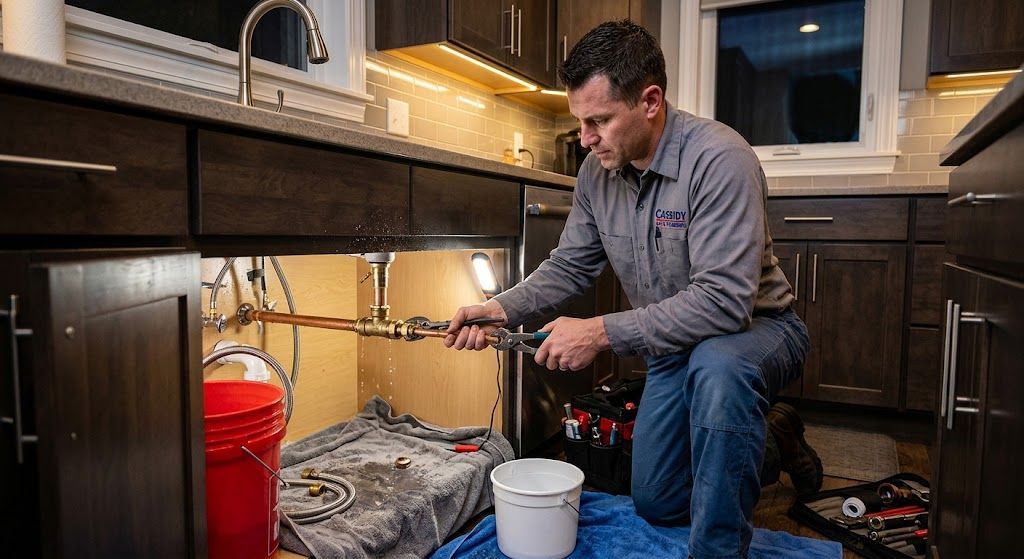
Kitchen sinks, garbage disposals, dishwashers, and refrigerator ice-makers rely on flexible supply tubes and plastic connectors. Bending, vibration, and aging plastic fittings often trigger slow, continuous leaks underneath cabinetry where they go unnoticed until cabinets rot out or flooring warps.
Water Heaters and Mechanical Equipment
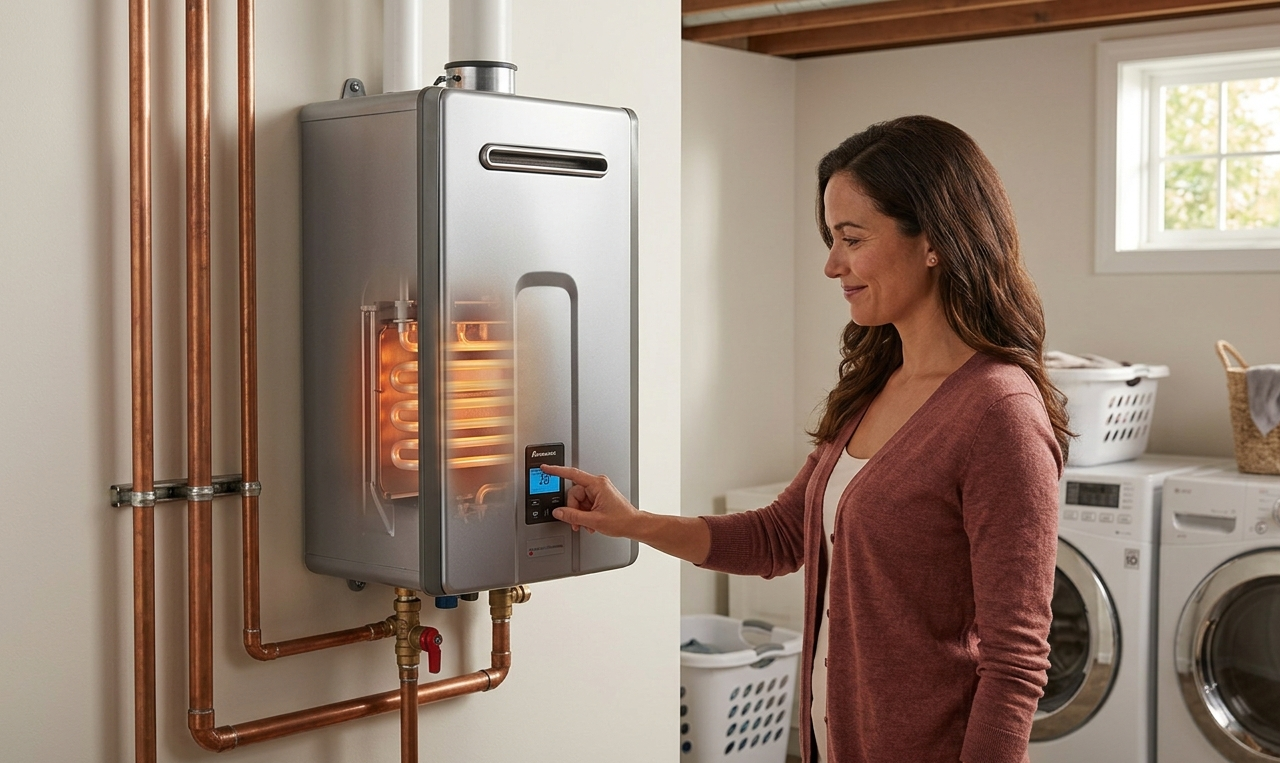
Tank-style water heaters are constantly exposed to thermal stress, sediment buildup, and internal pressure changes. Corroded relief valves, rusting tank bottoms, or loose inlet connections can release large volumes of water rapidly. Regular inspections of thermal expansion tanks and temperature-pressure relief valves are vital.
Irrigation Systems and Outdoor Main Lines
Outdoor plumbing is exposed to soil movement, lawnmower impacts, and tree root pressure. Main line breaks between the water meter and your home, as well as ruptured sprinkler valves, can waste vast amounts of water underground without leaving visible surface puddles.
DIY Checks vs. Professional Diagnostic Inspections
Homeowners can easily perform routine visual inspections and simple checks to monitor their plumbing system's health. However, understanding where DIY checks end and professional diagnostics begin prevents costly mistakes and structural damage.
The Water Meter Test (DIY Step)
One simple test any homeowner can perform is checking the main water meter:
- Turn off all water fixtures, taps, irrigation systems, and appliances (washing machines, dishwashers, ice makers) inside and outside the home.
- Locate your water meter box near the street or property boundary and open the cover.
- Check the meter face for a low-flow indicator (often a small red or blue triangle, star, or gearwheel). If this dial is spinning while all water is turned off, water is flowing through the system.
- If the low-flow dial isn't moving, record the exact numeric reading on the meter face. Leave all water turned off for two hours, then recheck the reading. If the numbers have increased, you have an active leak somewhere on your property.
When to Call Professional Specialists
While the meter test confirms that a leak exists, it cannot tell you where the pipe is broken. Attempting to dig up floors or tear into walls on your own often leads to unneeded property damage and elevated repair expenses. Professional plumbers bring commercial-grade diagnostic equipment, technical training, and hands-on experience to locate the source accurately, evaluate system pressures, and perform durable, code-compliant repairs.
Partnering with licensed plumbing experts guarantees fast, precise diagnostics that protect your property while restoring full system performance. When you suspect hidden water issues beneath your floors or inside your walls, scheduling an immediate professional inspection for
leak detection is the most reliable way to pinpoint the problem non-invasively and prevent further property damage.
Long-Term Prevention and Maintenance Strategies
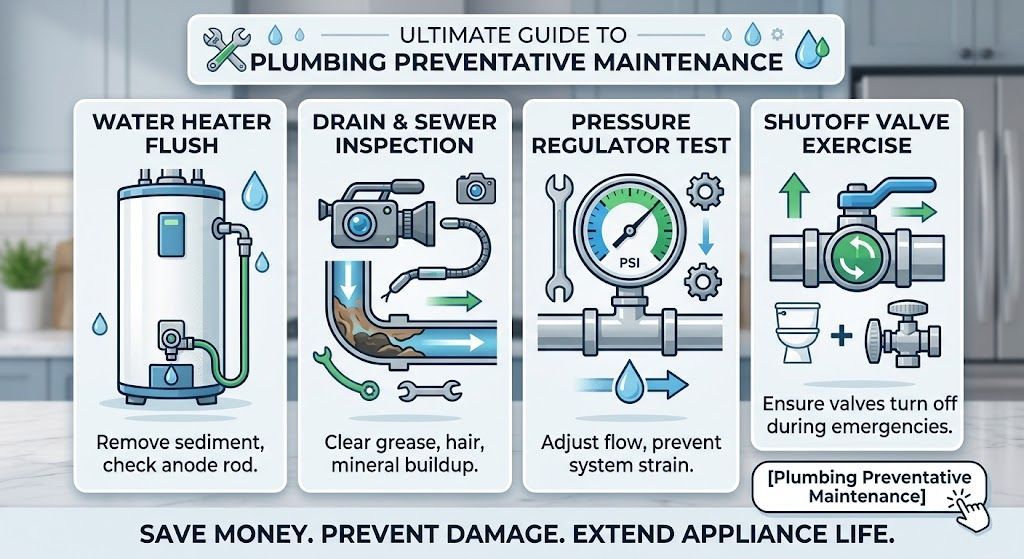
Catching hidden leaks early is essential, but taking proactive steps to prevent plumbing failures in the first place offers ultimate peace of mind. A few simple home maintenance habits can extend the life of your plumbing system by decades:
- Monitor and Regulate System Pressure: Excessively high water pressure (above 80 PSI) stresses pipe joints, valves, and appliance lines. Installing a pressure-reducing valve (PRV) protects your entire plumbing network from premature failure.
- Replace Aging Flexible Hoses: Replace rubber washing machine hoses and plastic sink supply lines with durable stainless steel braided lines every five to seven years.
- Install Smart Water Shut-Off Valves: Modern smart leak detectors monitor flow rates 24/7 and automatically shut off the main water valve if an unusual flow pattern or pipe burst is detected, keeping your home safe even when you are away.
- Schedule Annual Whole-Home Plumbing Inspections: Routine maintenance inspections by certified technicians ensure minor wear, valve deterioration, and elevated pressures are corrected long before they trigger a catastrophic breach.
Taking a proactive approach to your home's plumbing health safeguards your property against sudden water damage, preserves structural integrity, and keeps utility bills low. Stay vigilant for physical warning signs, run routine checks, and lean on professional diagnostic technology whenever hidden leaks are suspected.