Nothing ruins the pride of a beautifully curated home quite like a struggling climate control system. You invest time and energy into making your living space an enviable sanctuary of comfort, style, and efficiency. Yet, when the temperatures reach extremes, an underperforming heating and air conditioning system can quickly undermine your efforts. Unusual noises, weak airflow, and unexpectedly high energy bills disrupt your daily routine and make your home feel far less welcoming.
Maintaining a flawless indoor environment requires proactive care and a clear understanding of how your heating, ventilation, and air conditioning equipment functions. By learning how to troubleshoot common issues, perform routine maintenance, and identify when professional attention is necessary, you can protect your investment and keep your space running at peak efficiency. This comprehensive guide covers everything you need to know about keeping your climate control system in top shape year-round.
Understanding How Your Heating and Cooling System Works
Before tackling specific mechanical issues, it is essential to understand the basics of your home’s climate control system. Modern systems rely on a delicate balance of airflow, electrical components, and chemical refrigerants to regulate indoor temperatures effectively.
Your system operates through a continuous cycle:
- The thermostat senses the ambient air temperature and signals the system to turn on.
- The blower motor pulls interior air through return vents and forces it across heating or cooling elements.
- For cooling, refrigerant absorbs indoor heat and transfers it outside through the condenser coil.
- For heating, furnace burners, electric heat strips, or a reverse-cycle heat pump generate warmth.
- Conditioned air travels back into your living spaces through supply ducts to maintain your desired temperature.
When every component works in harmony, your home stays consistently comfortable with minimal energy waste. However, if a single element fails, it places extra stress on the entire system, leading to higher operating costs and potential mechanical breakdowns.
Daily Signals That Indicate System Distress
Homeowners often miss early warning signs that point toward impending equipment failures. Recognizing these signals early allows you to address minor problems before they turn into costly emergencies.
Unusual Noises and Sounds
A properly functioning system produces a gentle, consistent hum when running. Strange sounds often indicate specific mechanical issues:
- Squealing or Screeching: Usually caused by a worn serpentine belt or failing fan motor bearings.
- Grinding or Clanking: Suggests loose hardware, damaged fan blades, or motor assembly problems.
- Rattling or Banging: Points to loose paneling, failing motor mounts, or debris inside the outdoor unit.
- Buzzing or Clicking: Frequently related to electrical faults, such as a sticking contactor or failing capacitor.
Weak or Uneven Airflow
If certain rooms in your home stay uncomfortably warm or cold while others reach the correct temperature, your airflow is compromised. Weak airflow makes your home uncomfortable and forces your system to run longer cycles, inflating your monthly utility bills. Common causes include clogged air filters, leaking ductwork, obstructed vents, or an aging blower motor.
Unexplained Spikes in Utility Bills
Your monthly energy costs should remain relatively predictable from year to year during comparable seasons. If you notice a sudden jump in power consumption without a corresponding change in your household habits, your climate control system is likely straining to meet demand. Reduced efficiency is a classic sign that your equipment requires immediate professional inspection and routine service.
Step-by-Step DIY Troubleshooting Guide
While complex mechanical or electrical issues require specialized tools and expert training, homeowners can resolve several basic problems independently. Work through these straightforward troubleshooting steps before calling a technician.
Step 1: Inspect and Calibrate Your Thermostat
Many service calls stem from simple thermostat settings or sensor errors rather than actual mechanical failures.
- Verify the settings: Ensure your thermostat is set to "Cool" or "Heat" and that the target temperature is set at least five degrees away from the current room reading.
- Replace the batteries: Weak batteries can cause digital thermostats to send erratic signals or drop power unexpectedly.
- Clean the internal sensors: Dust accumulating inside the thermostat housing can interfere with temperature readings. Carefully remove the cover and brush away debris with a soft instrument.
- Check the schedule: Ensure smart thermostats have not reverted to an unwanted energy-saving schedule.
Step 2: Check Electrical Panels and Disconnect Switches
If your entire system fails to turn on, the issue may be electrical rather than mechanical.
- Check the main breaker box: Locate the dedicated breaker switches for your indoor and outdoor units. If a breaker has tripped to the neutral position, switch it firmly to "Off" and then back to "On."
- Inspect the outdoor shutoff switch: Most local building codes require an exterior disconnect box near the outdoor condenser. Verify that the pull-fuse or toggle switch is fully engaged.
- Check safety float switches: Many indoor air handlers feature a condensate overflow switch. If your drain line clogs and water backs up in the drain pan, this switch cuts power to prevent home water damage.
Step 3: Replace Clogged Air Filters
Restricted airflow is the leading cause of system freeze-ups, overheated heat exchangers, and premature component wear.
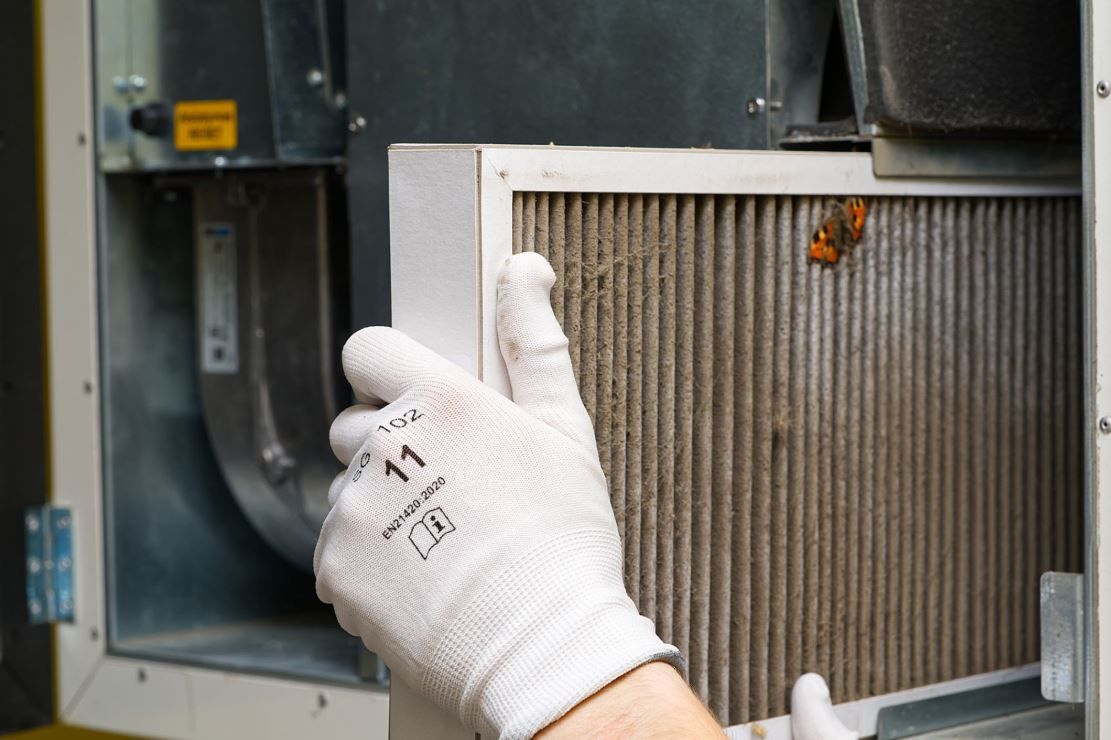
- Locate your air filter housing, typically found behind return air grilles or directly adjacent to the indoor air handler.
- Turn off power to the system before opening the filter door.
- Slide out the old filter and inspect it against a bright light source. If light cannot pass through easily, the filter must be replaced.
- Install a fresh filter matching the exact dimensions specified by your system manufacturer, making sure the airflow arrows point toward the blower motor.
- Replace standard pleated filters every 30 to 90 days depending on pet ownership, local air quality, and household size.
Step 4: Clear the Outdoor Condenser Unit
Your outdoor unit requires unobstructed surrounding space to expel the heat absorbed from your home's interior.
- Turn off electrical power to the outdoor unit at the disconnect box.
- Clear away leaves, grass clippings, weeds, and pine needles within a two-foot radius of the cabinet.
- Inspect the delicate aluminum fins surrounding the coil structure.
- Gently spray away dirt and mud from the exterior fins using a standard garden hose directed at a downward angle. Avoid using high-pressure power washers, which can bend the fragile metal fins and restrict airflow.
When to Call a Certified HVAC Technician
While basic cleaning and filter changes are well within the reach of most homeowners, certain technical repairs require specialized skills, diagnostic equipment, and regulatory certifications. Attempting complex DIY repairs on high-voltage components or sealed refrigerant lines can cause severe injuries, ruin expensive equipment, and void manufacturer warranties.
Contact a licensed professional immediately if you encounter any of the following scenarios:
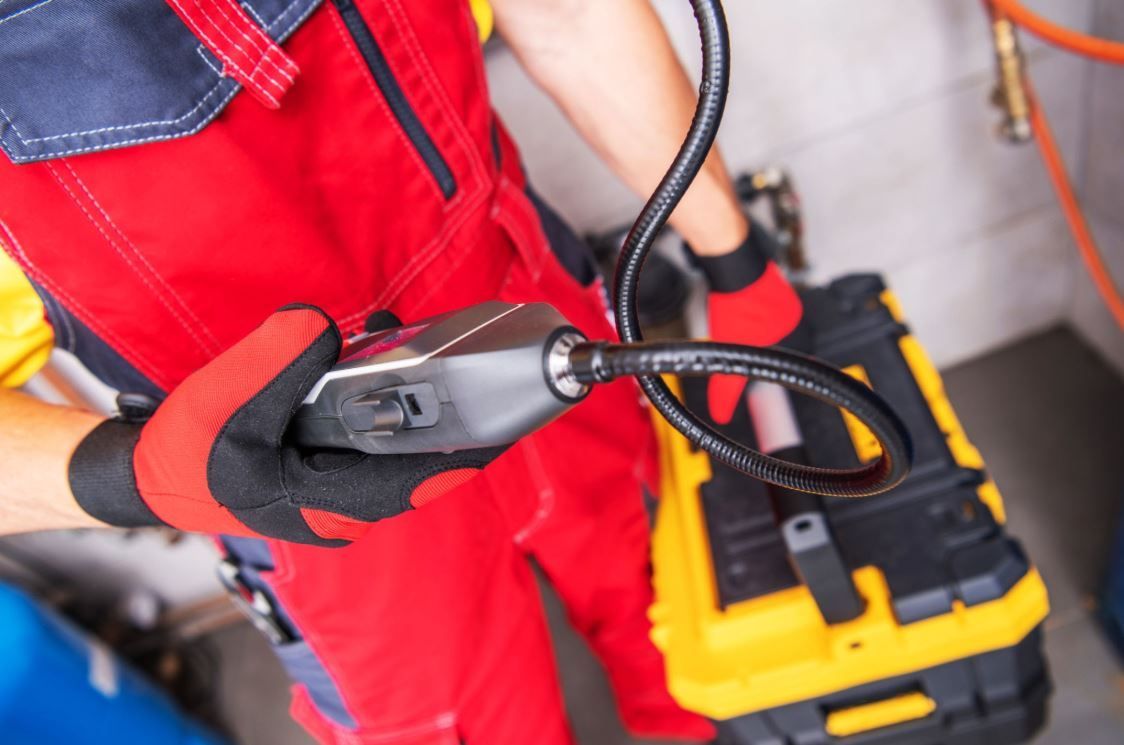
- Refrigerant Leaks: Refrigerant chemicals operate under high pressure and require EPA certification to handle safely. If your system forms ice coils or stops cooling entirely, a leak is likely present.
- Electrical Short Circuits: Burning odors, repeatedly tripping circuit breakers, or visible scorching near wiring terminals demand immediate expert evaluation to prevent electrical fire hazards.
- Gas Furnace Flame Problems: Yellow burner flames, persistent soot accumulation, or malfunctioning pilot igniters on gas systems can lead to dangerous carbon monoxide exposure.
- Compressor or Motor Failures: The compressor serves as the heart of your cooling system. Diagnosing hard-starting compressors or bad capacitors requires precise electrical metering tools.
When unexpected mechanical failures occur and endanger your home comfort, relying on a trusted local team like
HVAC repair specialists ensures that your system receives accurate diagnostics, genuine replacement parts, and long-lasting fixes.
Essential Maintenance Practices for Peak Efficiency
Taking preventative measures is always more affordable and convenient than dealing with emergency equipment failures during heatwaves or severe winter freezes. By establishing a routine seasonal care regimen, you preserve your system's energy efficiency, extend its operational lifespan, and keep your home environment consistently comfortable.
- Schedule biannual professional tune-ups: Have a technician inspect electrical connections, measure refrigerant charges, clean condensate lines, and test safety controls every spring and autumn.
- Clean supply registers and return vents: Vacuum dust and pet dander from vent covers regularly, and make sure furniture, rugs, or drapes do not block airflow.
- Flush the condensate drain line: Pour a cup of distilled white vinegar down the indoor drain line access tee every few months to prevent algae buildup and drain line clogs.
- Keep surrounding outdoor areas clear: Avoid planting dense shrubs or storing yard equipment right next to your outdoor condenser unit.
Taking proactive care of your heating and cooling equipment protects your home investment and ensures dependable performance through every season. By staying vigilant for early warning signs and balancing basic DIY tasks with professional service, you can enjoy ideal home comfort and lower monthly utility bills year after year.