Water heaters are among the most essential appliances in any modern home, quietly working behind the scenes to supply dependable hot water for daily showers, dishwashing, laundry, and cooking. Because they operate continuously, it is easy to take them for granted—until the moment you step into an ice-cold shower or notice a puddle of water expanding across your utility room floor.
Navigating water heater troubleshooting, routine maintenance, and replacement decisions can feel overwhelming for homeowners. Understanding how your system functions, recognizing early warning signs of mechanical failure, and knowing when to call a licensed technician can save you thousands of dollars in unexpected water damage and energy costs. This comprehensive guide covers everything you need to know about keeping your home running smoothly with reliable hot water year-round.
Understanding Your Water Heater: Tank vs. Tankless Systems
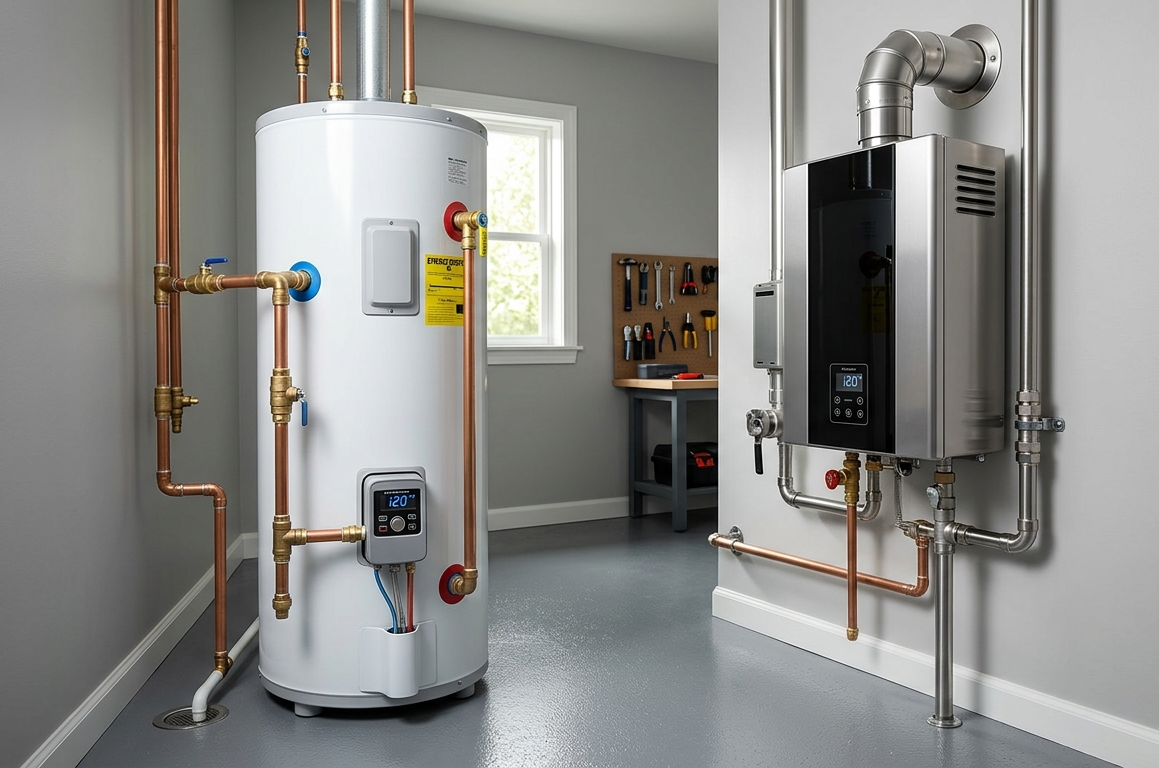
Before addressing maintenance or repairs, it is helpful to understand the type of water heater installed in your home. Residential hot water systems primarily fall into two main categories: conventional storage tank water heaters and modern tankless units.
Conventional Storage Tank Water Heaters
Traditional storage tank systems remain the most common option in residential homes. These systems store a set volume of water—typically between 30 and 80 gallons—in an insulated tank and keep it continuously heated to a pre-set temperature. When you open a hot water faucet, preheated water flows out of the top of the tank, while cold water enters the bottom to replenish the supply.
- Fuel Sources: Storage tank systems can run on electricity, natural gas, or liquid propane.
- Average Lifespan: Traditional tank units generally last between 8 and 12 years with proper care and maintenance.
- Key Advantages: Lower upfront purchase and installation costs, straightforward mechanical designs, and reliable immediate water delivery.
Tankless Water Heaters
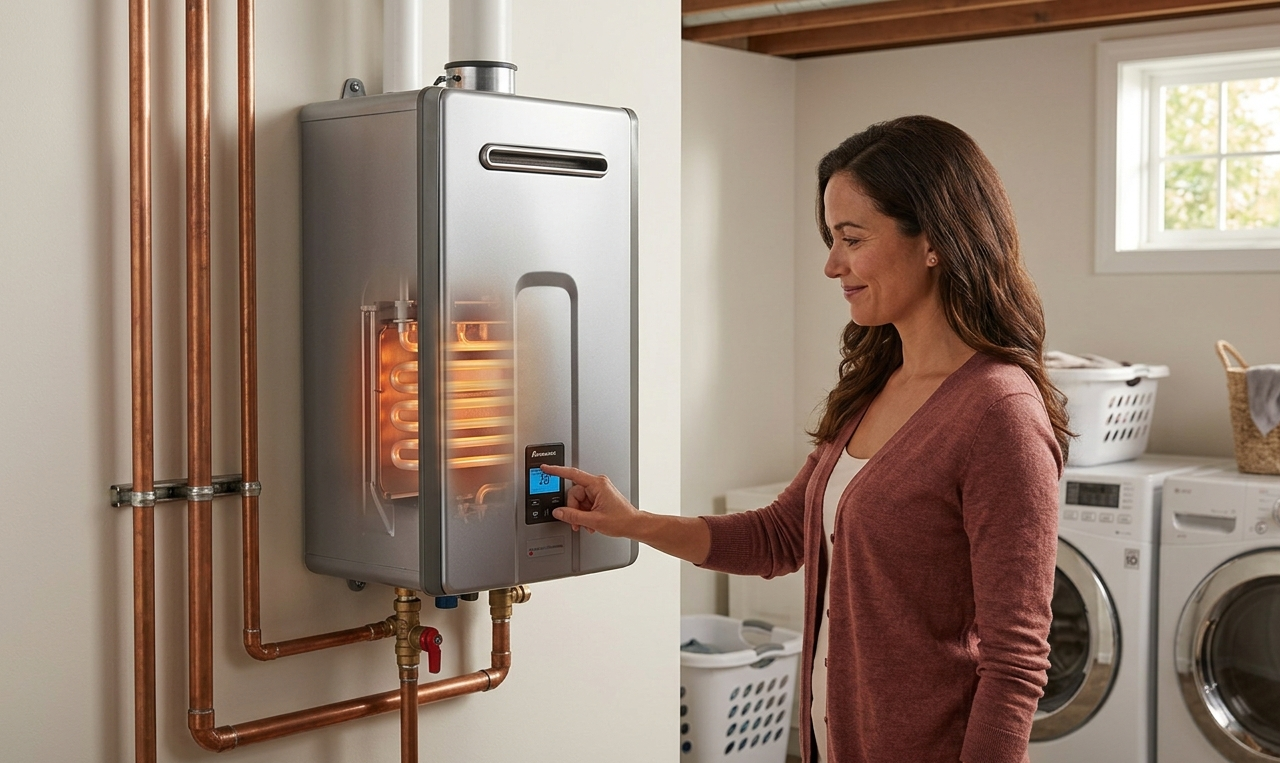
Tankless water heaters, also known as on-demand water heaters, do not use a storage tank. Instead, high-powered burner elements or electric coils heat the water instantly as it passes through the unit when a hot water tap is turned on.
- Fuel Sources: Available in high-output gas models as well as electric configurations.
- Average Lifespan: With regular descaling and tune-ups, tankless systems can last 20 years or longer.
- Key Advantages: Superior energy efficiency because standby heat loss is eliminated, compact wall-mounted footprints, and an virtually endless supply of hot water for household demands.
7 Critical Warning Signs Your Water Heater Needs Attention
Water heaters rarely fail without giving subtle warning signs beforehand. Paying attention to changes in performance, sound, and appearance can help you identify minor issues before they turn into major structural leaks or total appliance meltdowns.
1. Inconsistent Water Temperatures or Cold Water
If your shower fluctuates wildly between scalding hot and freezing cold, or if the water never gets hot at all, your heating system is struggling. In electric units, this often points to a burned-out heating element or a faulty thermostat. In gas units, a failing thermocouple, faulty gas valve, or extinguished pilot light may be responsible.
2. Strange Rumbling, Popping, or Knocking Sounds
Over time, naturally occurring minerals in tap water—such as calcium and magnesium—settle at the bottom of storage tanks as sediment. As this layer thickens, the heat source underneath must cook through the sediment to heat the water. This process boils water trapped beneath the sediment layer, creating loud popping, knocking, or rumbling noises.
3. Rusty or Discolored Water
If hot water coming out of your faucets appears reddish-brown, cloudy, or full of dark particles, internal corrosion may be taking place. Rust inside the tank usually indicates that the sacrificial anode rod has completely depleted, leaving the steel inner wall vulnerable to chemical oxidation.
4. Foul Odors or Metallic Taste
Smelly water—particularly a distinct rotten egg odor—is often caused by anaerobic bacteria interacting with the magnesium or aluminum in your unit's anode rod. A metallic smell or taste often indicates mineral buildup or corroding metal components inside the unit.
5. Reduced Hot Water Pressure
Noticeable drops in water pressure exclusively when running hot water typically mean that heavy mineral scale has narrowed the hot water outlet pipes or restricted flow inside the tank's internal dip tube.
6. Moisture or Active Leaks Around the Base
Water pooling around the base of your tank is a major red flag. Leaks can stem from minor, easily fixable components like loose pipe fittings or faulty temperature-and-pressure (TPR) relief valves. However, if the inner tank wall has fractured due to age or stress, immediate replacement is essential to avoid structural flooding.
7. Water Takes Excessively Long to Reheat
If your family runs out of hot water after a single shower and the system takes hours to recover, your unit has lost thermal efficiency. Sediment accumulation, failing heating elements, or an undersized unit for your current household needs are primary culprits.
Common Water Heater Problems and Professional Repairs
When a problem arises, timely repair by a qualified professional can restore system efficiency and extend unit life. Here are the most frequent repairs plumbers perform:
Replacing Heating Elements and Thermostats
Electric water heaters feature upper and lower heating elements paired with individual thermostats. If the upper element fails, the entire system may stop producing hot water. If the lower element burns out, water will warm up but won't reach adequate temperatures during high use. Replacing these components is a fast, cost-effective way to restore heating capability.
Thermocouple and Pilot Assembly Services
Gas water heaters rely on a small sensor called a thermocouple to detect whether the pilot flame is lit. If the thermocouple becomes dirty, bent, or defective, it cuts off the gas valve as a safety precaution, preventing the main burner from igniting. A technician can clean or replace the thermocouple to keep your pilot light lit reliably.
Temperature and Pressure Relief (TPR) Valve Maintenance
The TPR valve is a vital safety device designed to release water if internal pressure or temperature exceeds safe operating thresholds. If this valve corrodes or sticks open, it will continuously leak water into the discharge drain pipe. Replacing a faulty safety valve eliminates water loss and ensures safe operation.
Replacing Broken Dip Tubes
The dip tube is a plastic pipe that directs incoming cold water down to the bottom of the tank so it can be heated efficiently. Over time, plastic dip tubes can disintegrate or snap, causing incoming cold water to mix directly with outgoing hot water at the top of the tank. Replacing the dip tube restores proper water circulation and output temperature.
Repair vs. Replacement: How to Make the Right Call
Homeowners often face a difficult question: Should you invest in repairing your existing water heater, or is it wiser to replace it entirely? Considering key mechanical and financial factors can help guide your choice:
- The Age Factor: If your traditional tank water heater is over 10 to 12 years old, major repairs are rarely cost-effective. Investing money in a unit near the end of its design life often leads to recurring breakdowns.
- Frequency of Breakdowns: If you have called a technician multiple times over the past year for leaks, failed elements, or control issues, those combined repair costs could easily cover a significant portion of a new unit.
- The 50% Rule: A reliable benchmark used by plumbing professionals is the 50% rule: If the cost of repairing your existing water heater exceeds 50% of the cost of buying and installing a new unit, replacement is usually the smarter long-term decision.
- Corroded or Fractured Tank: If the main structural tank body is leaking due to rust, repair is not an option. The entire water heater must be replaced to protect your home from sudden, catastrophic water damage.
Essential Routine Maintenance for Maximum Lifespan
Proactive maintenance is the best defense against premature equipment failure. Simple maintenance tasks performed regularly can extend the lifespan of your unit by several years.
Annual Tank Flushing
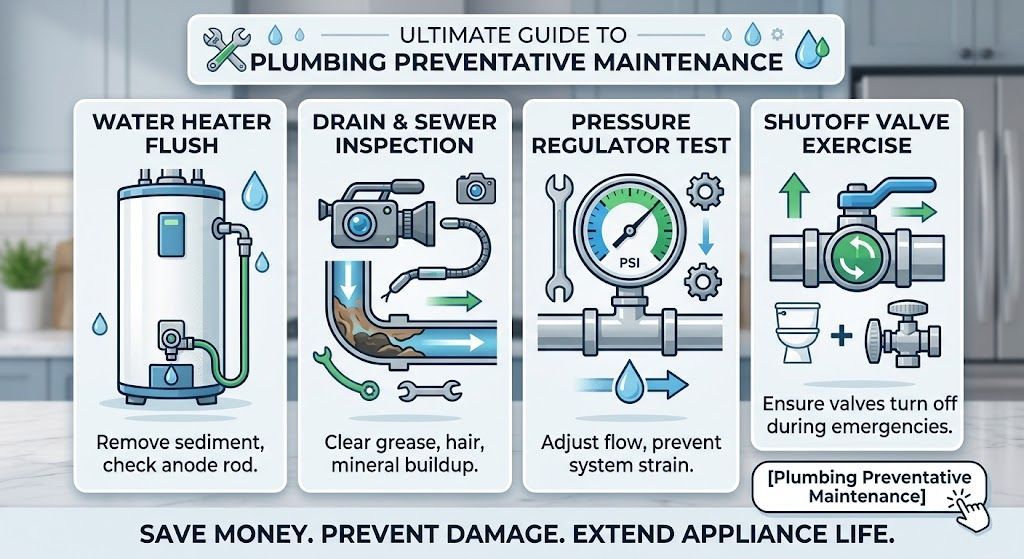
Flushing the water heater tank once a year removes heavy sediment deposits from the bottom. This restores heat transfer efficiency, prevents overheating of the bottom steel plate, eliminates loud rumbling noises, and reduces energy consumption.
Inspecting and Replacing the Anode Rod
The sacrificial anode rod hangs inside the tank to attract corrosive elements in the water, protecting the steel tank lining. Because it degrades over time, the rod should be inspected every two years and replaced when it is severely depleted or coated in scale.
Testing Safety Valves and Temperature Settings
Periodically testing the TPR valve by lifting its test lever ensures that internal components move freely. Additionally, setting your water heater thermostat to 120°F (49°C) provides plenty of hot water for everyday household use while preventing accidental scalding, reducing mineral scale buildup, and lowering energy usage.
The Benefits of Upgrading to Energy-Efficient Units
If it is time to replace your outdated water heater, modern technology offers significant advantages. Modern units feature high-grade tank insulation, intelligent electronic controls, fast-heating elements, and advanced safety controls.
Upgrading to a high-efficiency tank system or a continuous tankless model significantly reduces utility bills. Many homeowners also benefit from local utility rebates and federal tax incentives designed to support energy-efficient home upgrades.
When sudden system failures leave you stranded without hot water, turning to certified experts ensures your plumbing system is restored safely, efficiently, and in full compliance with local building codes. For long-lasting efficiency and prompt service, schedule trusted
water heater repair and replacement options with experienced licensed technicians.
Protecting your home’s plumbing infrastructure starts with staying informed and acting quickly when early signs of trouble appear. By scheduling routine annual maintenance, handling minor repairs promptly, and investing in energy-efficient equipment when replacement time comes, you can enjoy safe, continuous hot water for years to come.