Water is an essential part of daily life. From morning coffee and home-cooked meals to hot showers and laundry loads, every household relies on a continuous supply of clean water. However, even if municipal water meets basic government safety standards, it often carries microscopic contaminants, minerals, and treatment chemicals that compromise taste, odor, overall quality, and household plumbing systems.
Investing in an advanced filtration solution is one of the most effective ways to ensure your family enjoys safe, pristine water at every faucet. Whether you want to eliminate unpleasant chlorine odors, protect costly plumbing fixtures from mineral scale buildup, or remove dangerous heavy metals, understanding home water filtration is the first step toward cleaner living.
What Is Really Lurking in Your Tap Water?
When water travels through municipal distribution pipes or gets pumped from a private well, it picks up a wide array of inorganic compounds, biological microorganisms, and chemical residues along the way. While municipal water treatment plants disinfect public supplies to prevent waterborne illnesses, the treatment process itself introduces additives that stay in the water until it reaches your tap.
Common contaminants found in residential water supplies include:
- Chlorine and Chloramines: Cities use these chemical disinfectants to kill bacteria in water mains. While effective for public safety, chlorine leaves behind a strong pool-like chemical taste and smell, dries out skin and hair, and strips natural oils during showers.
- Hardness Minerals (Calcium and Magnesium): When rainwater filters through soil and limestone bedrock, it absorbs high concentrations of dissolved minerals. Hard water causes white scale buildup inside pipes, water heaters, dishwashers, and showerheads, drastically reducing appliance efficiency and lifespan.
- Heavy Metals (Lead, Copper, and Mercury): Older municipal infrastructure and legacy indoor plumbing lines can leach toxic lead and heavy metals directly into drinking water. Lead exposure poses severe health risks, especially for developing children.
- Volatile Organic Compounds (VOCs) and Pesticides: Agricultural runoff, industrial runoff, and urban stormwater can introduce synthetic chemicals, herbicides, pesticides, and solvents into local aquifers and surface water sources.
- Microbiological Organisms: Private wells and older distribution lines are vulnerable to bacteria, viruses, and parasites such as E. coli, Giardia, and Cryptosporidium, which can cause severe gastrointestinal illnesses.
- Sediment and Rust: Dirt, silt, sand, and flaking pipe rust circulate through supply lines, causing cloudy water and clogging faucet aerators, shower valves, and appliance water lines.
5 Warning Signs Your Home Needs Water Filtration
You do not always need a laboratory test to know your water quality is declining. Pay close attention to these everyday warning signs throughout your household:
- Foul Smell or Unpleasant Taste: If your tap water tastes metallic, earthy, or chemically sharp like chlorine, unwanted contaminants are clearly present.
- Unexplained Mineral Stains and Scale: White crusty deposits on faucets, cloudy spots on freshly washed glassware, or reddish-brown rust rings in sinks and toilets point directly to high mineral or iron content.
- Dry Skin and Dull Hair: Shampoos and soaps fail to lather properly in mineral-heavy water, leaving a thin film on skin that clogs pores, causes irritation, and leaves hair feeling rough and lifeless.
- Frequent Plumbing Clogs and Leaks: Scale buildup restricts interior pipe volume, increases water pressure friction, corrodes valve seals, and forces water heaters to work significantly harder, leading to premature equipment failure.
- Discolored Water: Water coming out of faucets with a yellowish, brownish, or reddish tint indicates rust, sediment, or organic matter in your main lines.
Exploring the Main Types of Residential Water Filtration
No single filtration technology removes every type of contaminant on its own. Modern filtration systems often combine multiple technologies into multi-stage setups to provide complete purification.
1. Activated Carbon Filtration
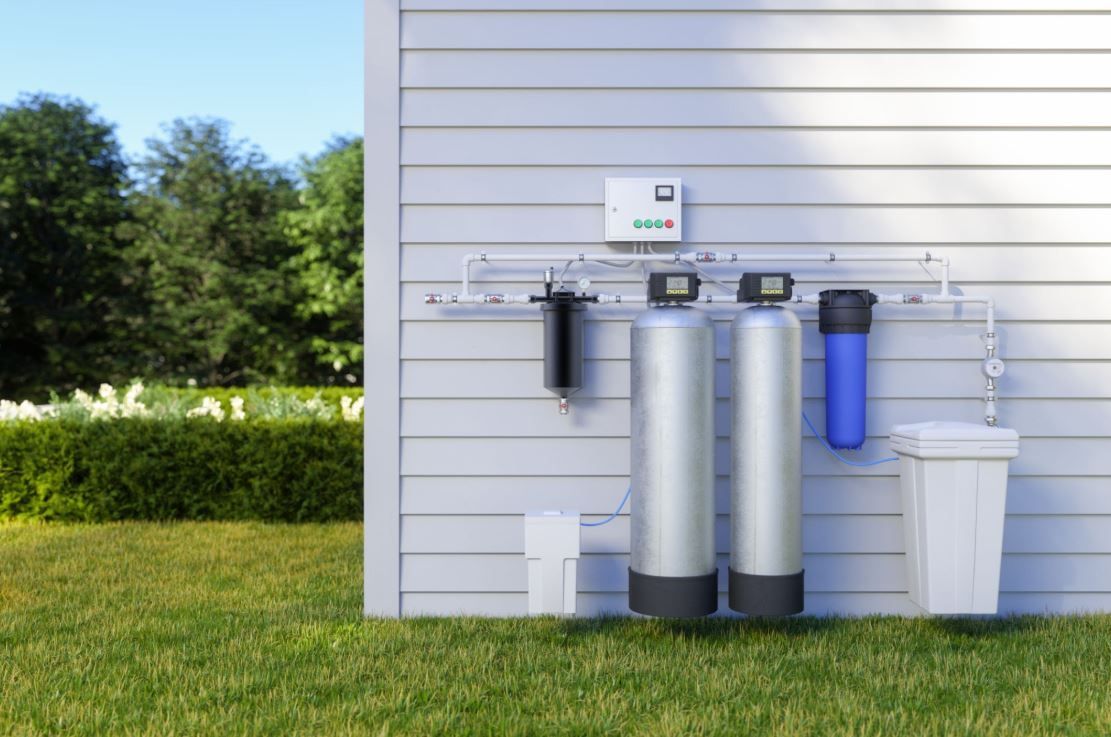
Activated carbon filters are the most common filtration method in modern residential systems. These filters use highly porous carbon blocks made from coconut shells or coal to capture organic compounds, chlorine, industrial solvents, and bad odors through a natural process called adsorption. They excel at improving taste and removing chemical odors, making them ideal as pre-filters in larger setups.
2. Reverse Osmosis (RO) Systems
Reverse osmosis is considered the gold standard for drinking water purity. An RO system forces pressurized water through an ultra-thin, semi-permeable membrane with pores as small as 0.0001 microns. This process traps up to 99% of dissolved solids, heavy metals, arsenic, nitrates, fluoride, microplastics, and pharmaceutical trace residues. Because RO systems remove virtually everything, they are commonly installed under kitchen sinks for dedicated drinking and cooking water faucets.
3. Whole-House Water Softeners
If your home suffers from severe hard water, a water softener is the specialized tool designed to solve the problem. Softeners use ion-exchange technology, swapping hard calcium and magnesium ions with harmless sodium or potassium ions. Softening your water eliminates scale deposits, protects hot water heaters, lowers utility bills, and allows soaps to lather effortlessly.
4. Ultraviolet (UV) Disinfection Systems
Ultraviolet purifiers use germicidal UV light to destroy the DNA of harmful bacteria, viruses, and microorganisms, rendering them completely harmless without adding any chemical additives to your water. UV systems are especially vital for homeowners reliant on well water or living in areas prone to seasonal boil-water advisories.
The Top Benefits of Investing in Whole-House Water Purification
Choosing to install a complete filtration system pays dividends across every area of your home, health, and finances.
Superior Health and Safety for Your Family
By eliminating heavy metals, microplastics, synthetic chemicals, and biological contaminants at the point of entry, every tap in your house yields pure, healthy water. You can rest easy knowing your family is protected from long-term low-level exposure to hazardous compounds.
Protection for Plumbing Fixtures and Home Appliances
Corrosive sediment and heavy mineral scale are leading causes of premature tank failure in water heaters, breakdown of washing machine pumps, and clogged showerheads. Filtered, softened water extends the operational life of major appliances by years, preventing costly emergency plumbing repairs.
Glowing Skin, Healthier Hair, and Soft Laundry
Showering in chlorine-free, soft water allows your skin to retain its natural moisture barrier, reducing eczema flares, dry scalp, and irritation. Additionally, laundry washed in filtered soft water comes out brighter, softer, and free of soapy residues that deteriorate fabric fibers over time.
Massive Financial Savings and Environmental Impact
Relying on single-use plastic water bottles is expensive and environmentally harmful. A dedicated home water filtration setup allows you to eliminate bottled water purchases entirely, saving hundreds of dollars annually while keeping thousands of plastic bottles out of landfills and oceans.
Point-of-Use vs. Whole-House Filtration: What Is the Difference?
When shopping for filtration, you will primarily choose between two main system configurations:
- Point-of-Use (POU) Systems: These include countertop pitchers, faucet attachments, and under-sink reverse osmosis units. They treat water only at a single faucet where installed. While affordable and easy to set up, they leave the rest of your home’s plumbing, showers, and appliances unprotected from scale and chlorine.
- Point-of-Entry (POE) / Whole-House Systems: Installed at your home's main water entry line, POE systems filter all incoming water before it splits into hot and cold lines. This means filtered water flows to every sink, shower, bath, dishwasher, and washing machine across the entire home.
For comprehensive home protection and peace of mind, whole-house systems represent the most complete long-term investment.
Key Factors to Consider Before Installing a Filter
Before selecting and installing a system, take these practical steps to choose the right fit:
- Get a Comprehensive Water Test: Test your tap water through an accredited laboratory or qualified local technician. Knowing your exact contaminant levels ensures you do not overspend on unnecessary filters or under-equip your system.
- Evaluate Flow Rate Requirements: Filtration systems are rated in gallons per minute (GPM). Larger households with multiple bathrooms running simultaneously need higher GPM ratings to avoid drops in water pressure.
- Review System Maintenance Costs: Every filter requires periodic replacement. Factor in the long-term cost and frequency of replacement cartridges or media beds when budgeting.
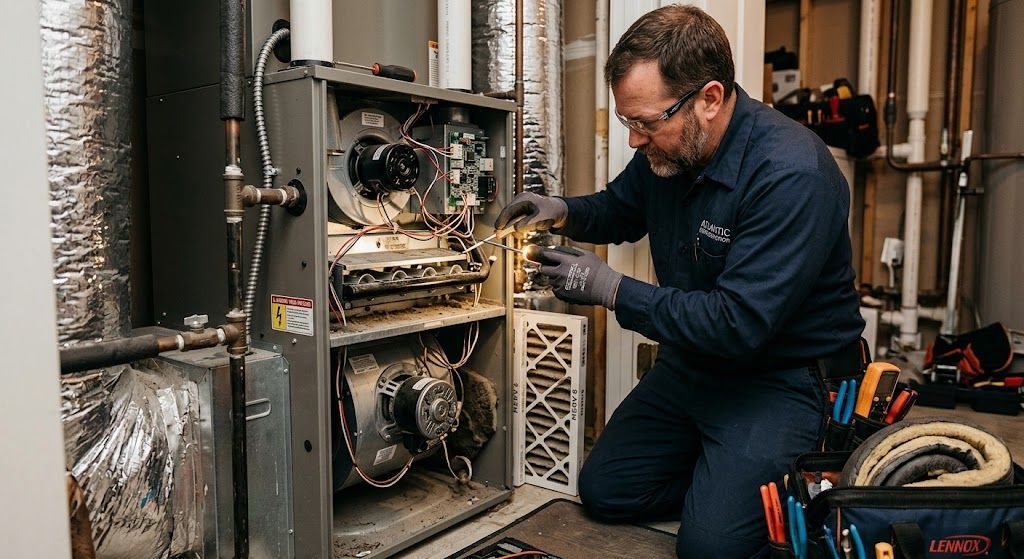
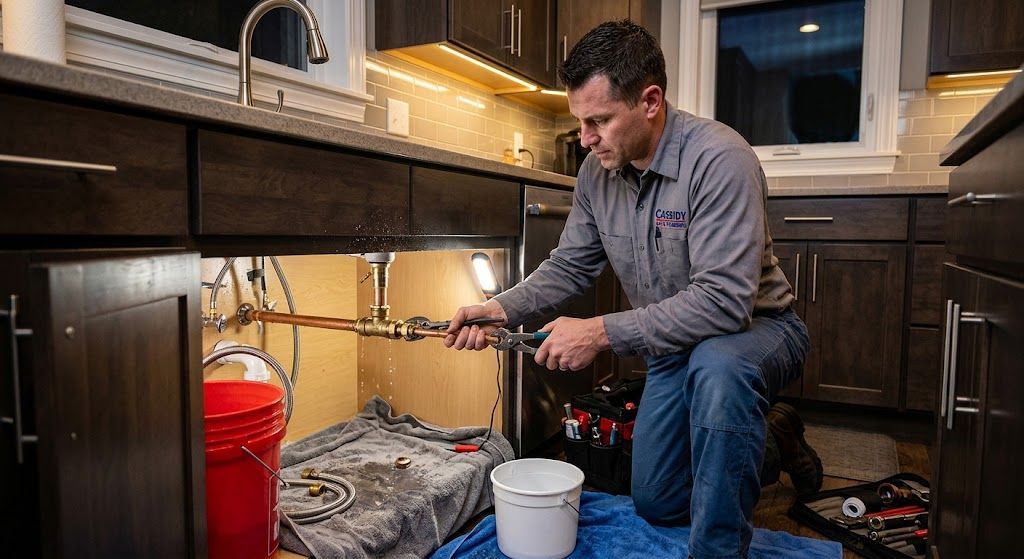
When you are ready to upgrade your home’s water quality, working with certified plumbing experts ensures seamless installation and long-term performance. Explore high-quality, professional
water filtration services to help evaluate your home's specific plumbing setup and install the ideal purification technology for your household.
Final Thoughts: Enjoy Crisp, Clean Water Every Day
Pure water is fundamental to a healthy home and an efficient plumbing infrastructure. By understanding what is in your tap water and choosing a whole-house or multi-stage filtration system tailored to your water profile, you protect your health, safeguard your appliances, and enjoy fresh, refreshing water straight from the tap every single day.