Your home’s plumbing system operates largely behind closed doors. Concealed within walls, beneath floorboards, and underground, hundreds of feet of supply lines and drainage pipes deliver fresh water and remove waste every single day. Because so much of the infrastructure is hidden, minor plumbing issues often escalate silently into expensive emergencies before homeowners realize there is a problem.
Whether it is an unexpected drop in water pressure, an inexplicable jump in your monthly water bill, or a slow drain that suddenly stops entirely, understanding how your plumbing functions—and knowing when to call in an expert—can save you thousands of dollars in water damage and structural repairs.
The Hidden Danger of Unresolved Household Plumbing Issues
A small drip under the sink or a toilet that continues running long after flushing might seem like minor inconveniences that can wait until next weekend. However, plumbing problems rarely remain stable. Over time, even small defects compound into severe home integrity risks.
1. Structural Water Damage and Foundation Stress
Water follows the path of least resistance. A micro-leak in a supply pipe located inside a wall cavity can release gallons of water every day into surrounding drywall, insulation, and timber framing. Over weeks or months, this moisture causes wood rot, degrades drywall, and can even compromise slab foundations through erosion or shifting.
2. Rapid Mold and Mildew Spreading
In humid environments, mold spores begin colonizing wet organic materials within 24 to 48 hours of exposure to moisture. Hidden plumbing leaks create the ideal breeding ground for toxic black mold (Stachybotrys chartarum) and mildew. Beyond damaging interior finishes, mold spore accumulation seriously degrades indoor air quality and triggers respiratory issues for families.
3. Escalating Utility Bills
According to the U.S. Environmental Protection Agency (EPA), the average household’s leaks can account for nearly 10,000 gallons of wasted water every year. A running toilet alone can waste up to 200 gallons per day. Ignoring minor leaks effectively drains money directly from your budget every month.
6 Common Plumbing Problems and How to Spot Them Early
Recognizing the early warning signs of pipe and fixture failures allows you to address repairs before catastrophic flooding occurs.
Common Plumbing Symptoms & Primary Causes
┌───────────────────────────┬──────────────────────────────────────────┐
│ Symptom │ Potential Primary Cause │
├───────────────────────────┼──────────────────────────────────────────┤
│ Low Water Pressure │ Mineral scaling, pinhole pipe leak │
│ Gurgling Drain/Toilet │ Blocked sewer vent stack or line line │
│ Unusually High Water Bill │ Hidden slab leak or running toilet flapper│
│ Luke-Warm Water │ Failing heating element or sediment buildup│
│ Discolored Tap Water │ Internal pipe corrosion or main break │
└───────────────────────────┴──────────────────────────────────────────┘
1. Persistent Low Water Pressure
If water flow drops to a trickle across multiple faucets simultaneously, the issue is rarely a simple aerator clog. Widespread pressure drops usually indicate a main supply line leak, mineral buildup inside aging galvanized steel pipes, or a faulty pressure-reducing valve.
2. Slow or Backed-Up Drains
When a single sink drains slowly, local debris such as hair or soap scum is likely the culprit. However, if multiple fixtures—such as your bathtub, kitchen sink, and toilet—slow down at the same time or gurgle when water drains, the obstruction is positioned deeper in your main drain stack or sewer line.
3. Unexpected Hot Water Loss
Nothing disrupts a morning routine faster than a cold shower. Water heaters typically fail due to two main reasons:
- Sediment Buildup: Minerals in hard water settle at the bottom of the tank, creating an insulating layer that overheats the tank bottom and reduces heating efficiency.
- Component Wear: Heating elements, thermostats, or anode rods degrade over time, preventing the system from maintaining steady temperatures.
4. Continuous Toilet Running
If your toilet periodically "ghost flushes" or runs constantly, the issue usually stems from a worn flapper valve, a misaligned float, or a faulty fill valve. While it seems harmless, a single running toilet can significantly increase your water utility bill over a single billing cycle.
5. Soggy Spots on Lawn or Mysterious Warm Floor Tiles
Water leaks beneath your home's concrete foundation (known as "slab leaks") or underground service lines often reveal themselves through external cues. Look for localized patches of grass that are unnaturally green and damp during dry weather, or floor tiles in your home that feel warm to the touch.
6. Foul Odors Near Drains or Yard
Sewage smells originating from your drains indicate dried-up P-traps, damaged sewer vent pipes, or broken underground sewer lines. Sewer gas contains hydrogen sulfide and methane, making prompt repair essential for both comfort and home safety.
DIY vs. Professional Plumbing Repairs: Knowing the Limits
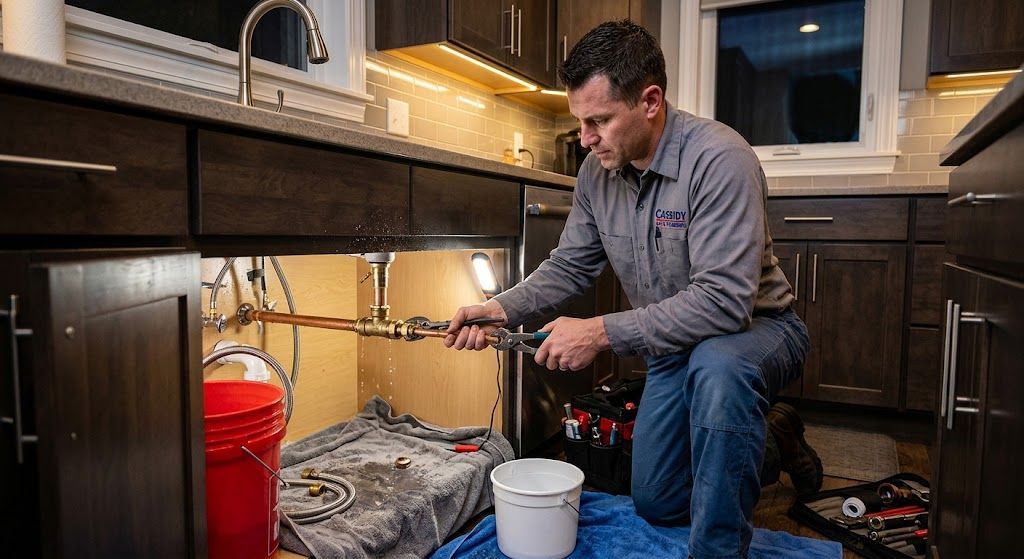
While homeowner DIY fixes work well for simple tasks like changing a showerhead or clearing a shallow sink trap, complex plumbing systems require specialized tools and licensed expertise.
┌────────────────────────────┐
│ Is it a Simple Drain Clog? │
└─────────────┬──────────────┘
│
┌──────────────┴──────────────┐
│ │
[ YES ] [ NO ]
│ │
┌─────────┴────────┐ ┌─────────┴─────────┐
│ Use Manual Plunger│ │ Sewer Line / Leak │
│ or Drain Snake │ │ Inside Walls │
└──────────────────┘ └─────────┬─────────┘
│
┌─────────┴─────────┐
│ Call a Licensed │
│ Professional │
└───────────────────┘
Safe DIY Maintenance Tasks
- Cleaning Aerators: Unscrewing faucet aerators to soak them in vinegar clears mineral deposits and restores fixture flow.
- Replacing Toilet Flappers: Swapping out a worn rubber flapper inside the toilet tank is a quick, tool-free repair.
- Unclogging Simple Trap Bends: Removing and clearing the P-trap directly beneath a bathroom sink using a small basin wrench or pliers.
When Professional Expertise Is Mandatory
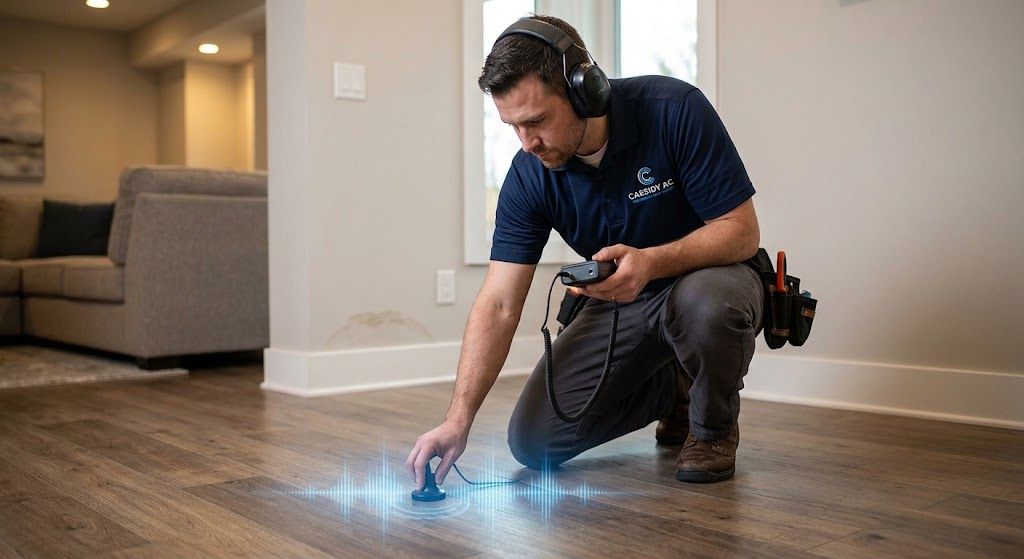
- Slab Leaks and Wall Repairs: Patching buried copper or PEX supply lines requires non-invasive acoustic detection, pipe cutting, and soldering or crimping tools.
- Sewer Main Clears & Camera Inspections: Clearing deep tree root intrusions or collapsed main lines demands commercial hydrojetters and high-definition video inspection cameras.
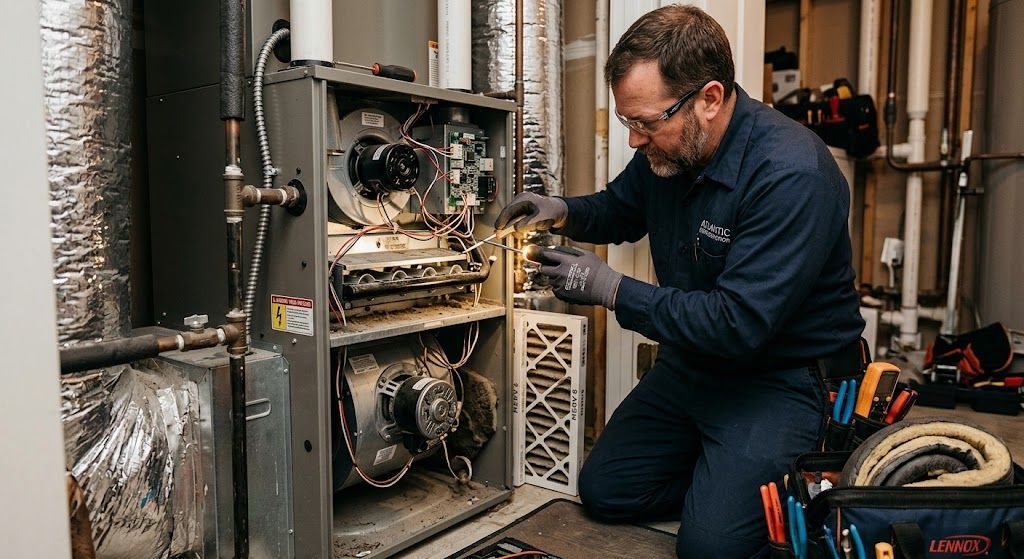
- Gas Line & Water Heater Servicing: Servicing gas-fueled water heaters involves combustible gas connections and toxic carbon monoxide exhaust venting—tasks that must strictly adhere to local plumbing codes.
How Modern Plumbers Diagnose and Repair Issues Non-Invasively
Plumbing repair technology has advanced significantly. Professional technicians no longer need to tear down large sections of drywall or dig up yards just to locate a leak.
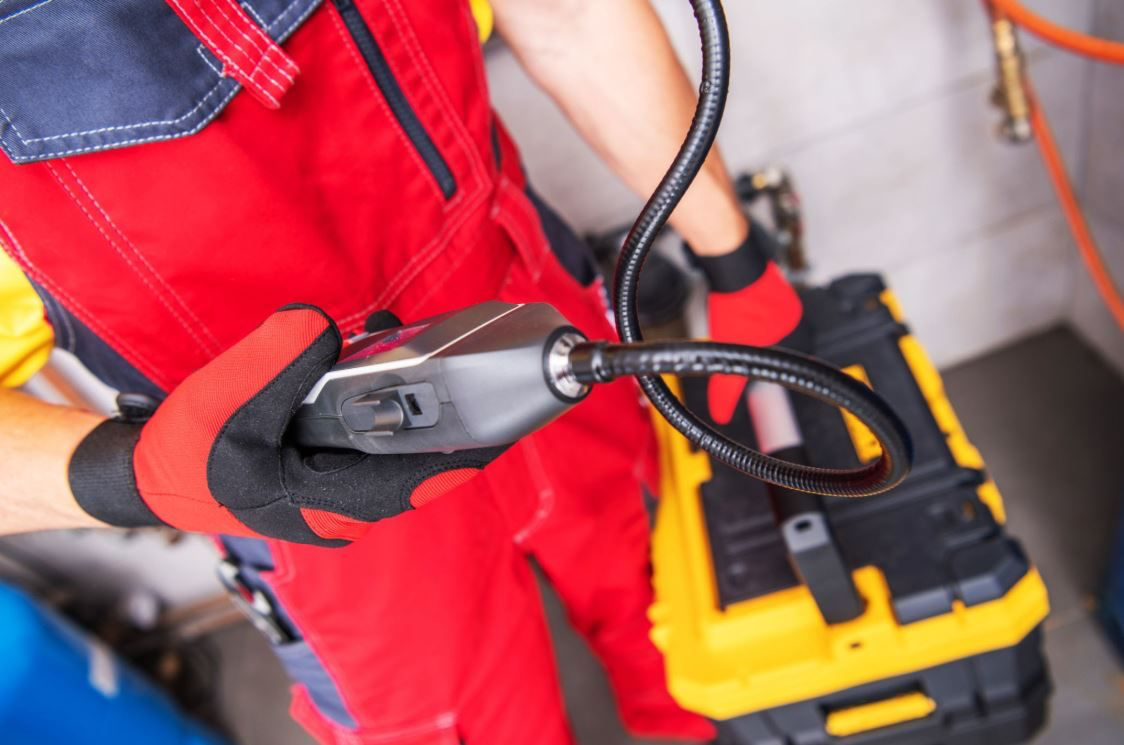
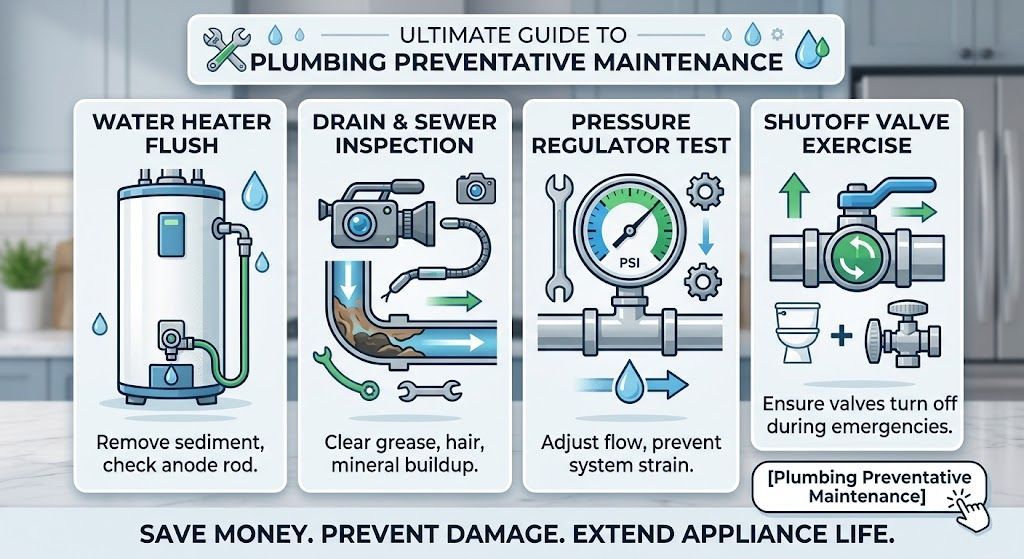
- Video Camera Pipeline Inspections: High-definition waterproof cameras mounted on flexible fiber-optic cables are inserted directly into drain and sewer lines. The real-time video feed pinpoints exact obstruction locations, root intrusions, or cracked pipe segments without digging.
- Acoustic and Ultrasonic Leak Detection: Specialized ground microphones and acoustic amplifiers detect the sound frequencies generated by water escaping pressurised underground or in-wall pipes.
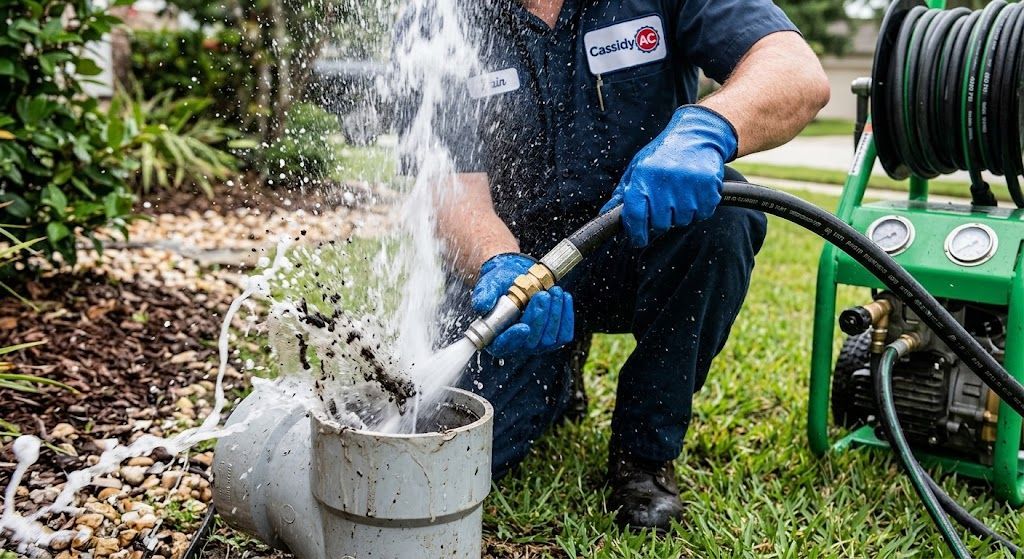
- Hydrojetting Technology: Instead of using harsh chemical drain cleaners that damage metal and PVC pipes, professionals use high-pressure water streams (up to 4,000 PSI) to scrub pipe interiors clean of grease, scale, and organic buildup.
Preventative Habits to Protect Your Home's Plumbing
Taking small preventative steps protects your home's pipes and extends the lifespan of fixtures:
- Avoid Chemical Drain Cleaners: Caustic store-bought drain chemicals generate heat that can warp PVC pipes and corrode older metal lines.
- Watch What Goes Down the Garbage Disposal: Never pour cooking fats, oils, grease (FOG), stringy vegetables, coffee grounds, or expandables (like rice and pasta) down the sink.
- Know Your Main Water Shut-Off Valve: Every adult in your home should know the exact location of the main water shut-off valve. Turning this valve off immediately during a major pipe burst minimizes water damage.
- Flush Tank Water Heaters Annually: Flushing your water heater once a year removes sediment accumulation, improving heating efficiency and extending tank life.
Whether you are dealing with a sudden pipe break, an unresolved drain stoppage, or a noisy water heater, taking early action keeps your living space safe and functional. Don't wait for a small leak to turn into a major flooding emergency—reach out to experienced professionals for trusted
plumbing repair services to keep your home's water infrastructure running seamlessly year-round.