Your heating, ventilation, and air conditioning (HVAC) system is the silent heart of your home. It works tirelessly in the background, keeping you cool during blistering summer afternoons and warm during freezing winter nights. Because it is largely tucked away in closets, basements, or attics, it is incredibly easy to ignore—until it stops working.
Most homeowners do not realize that their HVAC systems are slowly draining their bank accounts long before a complete breakdown occurs. From minor inefficiencies that inflate your monthly utility bills to hidden air leaks that force your system to work twice as hard, you could be losing hundreds of dollars every single year.
Understanding how your climate control system functions and recognizing the warning signs of inefficiencies can save you thousands of dollars in emergency repairs and premature replacements. Let's pull back the curtain on the seven invisible ways your heating and cooling setup is draining your wallet—and look at exactly how you can stop it.
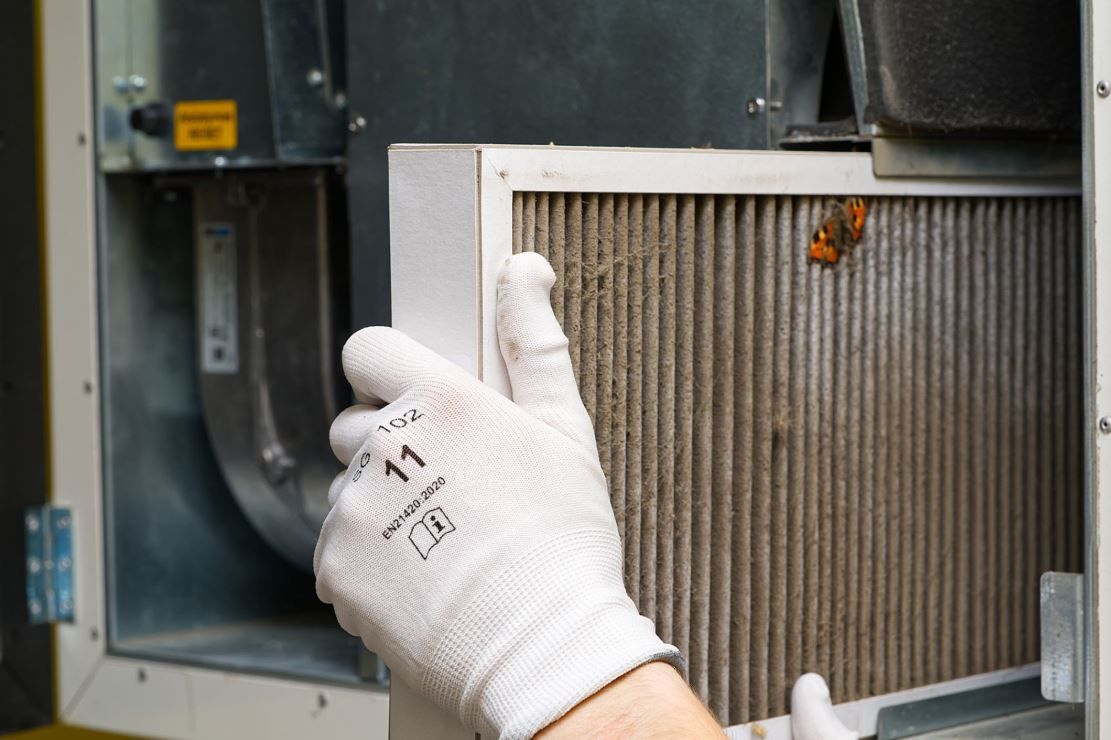
1. The Air Filter Neglect Trap
The absolute simplest part of HVAC maintenance is also the one most frequently forgotten: replacing the air filter.
An air filter's primary job is to protect the sensitive internal components of your furnace or air handler from dust, hair, and airborne debris. A clean filter allows air to flow freely. When a filter becomes choked with dust, your system must expend significantly more energy to pull air through the clogged barrier.
This restricted airflow causes a cascade of expensive problems:
- Skyrocketing Energy Bills: Your system runs longer cycles to reach your thermostat's target temperature, consuming excess electricity.
- Blower Motor Burnout: The fan motor has to work under high resistance, causing it to overheat and fail prematurely.
- Frozen Evaporator Coils: In the cooling season, lack of warm airflow over the coils causes their temperature to drop below freezing, turning moisture into solid ice and blocking air entirely.
As a general rule, standard one-inch pleated filters should be replaced every 30 to 90 days. If you have pets, allergies, or a large family, you should lean closer to the 30-day mark. Checking your filter once a month is the easiest way to prevent a sudden system shutdown.
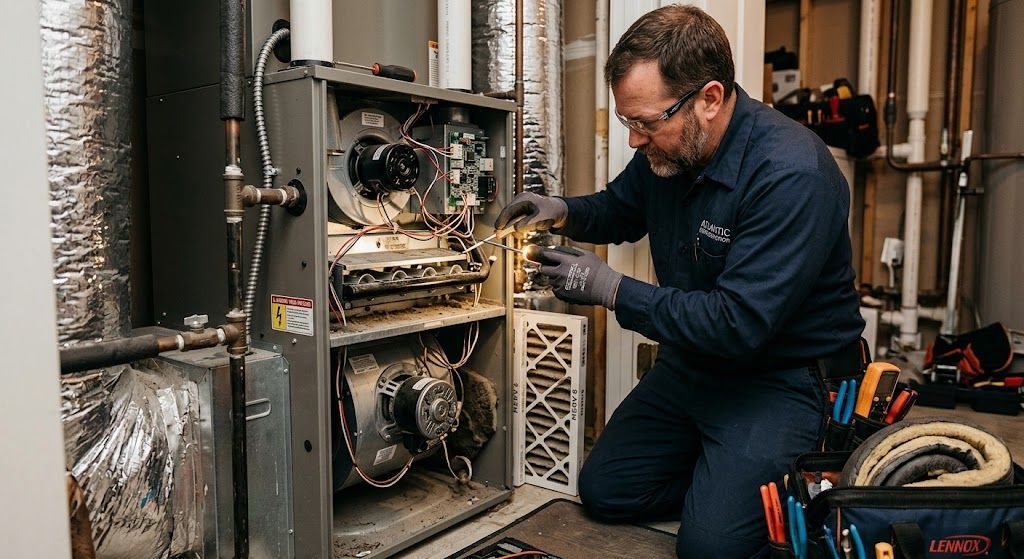
2. Neglecting Your Yearly Preventive Maintenance
Many homeowners treat HVAC systems like household appliances. You do not service your microwave or toaster every year, so why service your central air?
Unlike simple appliances, your heating and cooling system is a complex, high-pressure mechanical network with moving parts, electrical circuits, and chemical refrigerants. Over a year of operation, fan belts loosen, electrical connections degrade, dust settles on coils, and drain lines accumulate algae.
Skipping your annual professional tune-up is a major financial risk. During a routine maintenance visit, a certified technician checks for tiny issues before they turn into catastrophic failures. For example, catching a failing capacitor during a spring tune-up might cost a nominal fee to replace. Ignoring it can cause your compressor to overheat and fail mid-summer, resulting in a replacement bill that runs into the thousands.
A well-maintained system operates up to 15% more efficiently than a neglected one, meaning your annual tune-up often pays for itself in lower monthly utility bills.
3. The Myth of the "Blast" Cooling Strategy
We have all done it. You walk into a hot house after a long day, run to the thermostat, and crank it down to 60 degrees Fahrenheit, hoping it will cool the house down faster.
This is not how central heating and air conditioning works. Your system operates at a constant speed, delivering the same volume of conditioned air regardless of how low or high you set the thermostat. Setting the temperature to an extreme level does not speed up the process; it simply forces the system to run continuously for a much longer period.
This continuous operation leads to:
- Overshooting the target: You end up cooling or heating the home far past your comfort level, wasting expensive energy.
- Unnecessary wear and tear: The longer your compressor and blower run in a single cycle, the faster their components degrade.
To avoid this, consider upgrading to a smart or programmable thermostat. These devices allow you to schedule temperature adjustments so your home is comfortable by the time you arrive, eliminating the urge to "blast" the system.
4. Hidden Ductwork Leaks and Poor Insulation
You can have the most efficient, state-of-the-art heat pump or furnace on the market, but if your air ducts are leaky, you are wasting a massive amount of energy.
According to energy studies, the typical home loses roughly 20% to 30% of the conditioned air moving through its duct system due to leaks, holes, and poorly connected joints. If your ducts run through unconditioned spaces like attics, crawlspaces, or unfinished basements, this lost air is quite literally escaping outside.
Signs that your ductwork is compromised include:
- Uneven heating or cooling: Some rooms feel like iceboxes while others remain stuffy and warm.
- High indoor dust levels: Leaky return ducts can pull dusty attic or crawlspace air into the system and distribute it throughout your living areas.
- High energy bills: Your system has to run longer to make up for the lost conditioned air.
Sealing accessible ducts with mastic sealant or specialized foil tape can dramatically improve your system's efficiency. For hidden ductwork, a professional duct sealing service can pressure-test your system and seal microscopic gaps from the inside out.
5. Leaving Your Outdoor Condenser in the Jungle
Your outdoor condenser unit needs to breathe. Its job is to release the heat extracted from inside your home into the outdoor air. If the unit is crowded by overgrown shrubs, weeds, tall grass, or stacked firewood, the heat cannot dissipate efficiently.
When airflow around the outdoor unit is restricted, the compressor has to work under incredibly high pressures and temperatures to dump the heat. This dramatically shortens the lifespan of the most expensive component in your entire system.
Keep a clear zone of at least two feet around all sides of your outdoor unit. Regularly clear away fallen leaves, twigs, and grass clippings from the metal fins. If the delicate aluminum fins on your unit are bent or crushed by hail or debris, use a fin comb to gently straighten them out and restore proper airflow.
6. Ignoring the Warning Signs of Refrigerant Leaks
If your air conditioner or heat pump is slowly losing its ability to cool your home, you might have a refrigerant leak. A common misconception is that refrigerant is a fuel that gets "used up" over time. In reality, your system is a closed loop; refrigerant should never run low unless there is a physical hole or crack in the copper lines.
Running a system that is low on refrigerant does serious damage. The compressor relies on the returning cool refrigerant gas to keep itself from overheating. When the charge is low, the compressor runs incredibly hot, leading to mechanical failure.
Look out for these clear warning signs of a refrigerant leak:
- Warm air blowing from your vents: The system runs continuously but cannot lower the indoor temperature.
- A hissing or bubbling noise: This is the physical sound of high-pressure gas escaping from the copper lines.
- Ice buildup on the outdoor lines: Low pressure in the evaporator coil causes moisture to freeze on the copper tubing, insulating it and preventing heat transfer.
If you notice these issues, do not simply ask a technician to "top off" the refrigerant. Ensure they find, isolate, and repair the leak to protect your system and prevent future costly service calls.
7. Clinging to an Outdated, Inefficient System
Even with perfect maintenance, mechanical systems do not last forever. Most residential HVAC systems have an average operational lifespan of 15 to 20 years. As your system crosses the 15-year threshold, its components naturally degrade, and its overall efficiency plummets compared to modern standards.
Clinging to an ancient system out of fear of replacement costs can actually be more expensive in the long run. Modern systems boast much higher Seasonal Energy Efficiency Ratio (SEER2) ratings, meaning they consume a fraction of the electricity used by older models.
If you find yourself paying for frequent, expensive repairs on a system that is past its prime, it is time to consider an upgrade. Investing in a modern, energy-efficient setup will immediately lower your monthly utility bills and eliminate the anxiety of a sudden system failure during extreme weather.
Take Control of Your Home Comfort Today
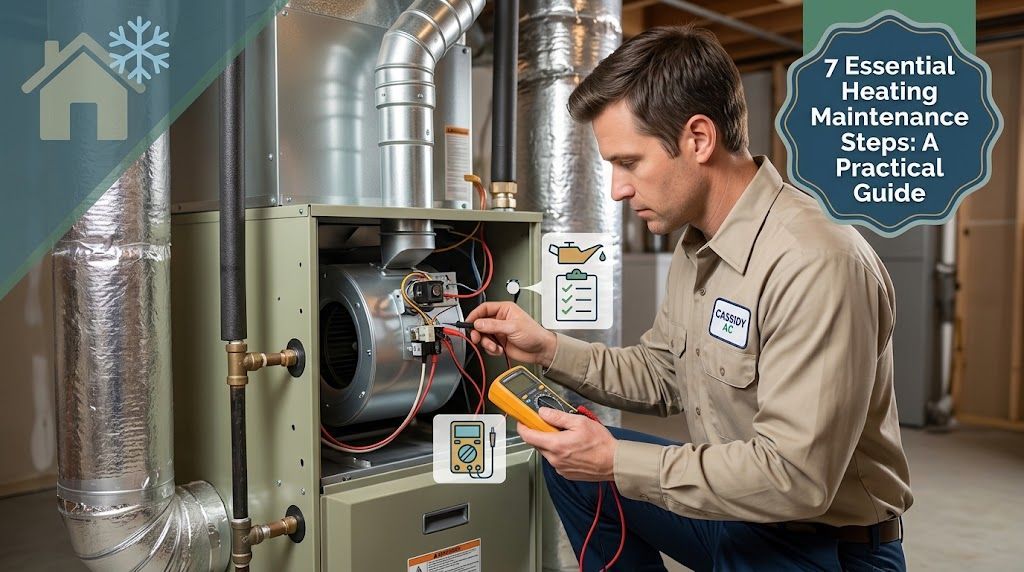
Your HVAC system is one of the most critical investments in your home's infrastructure. By staying on top of air filter replacements, keeping your outdoor unit clear of debris, and scheduling annual professional service, you can easily avoid the invisible drains on your wallet.
When you do need professional intervention, working with a trusted local partner is key. From minor repairs and seasonal tune-ups to complete system overhauls, relying on experienced professionals ensures your system runs at peak efficiency. To keep your home comfortable year-round and protect your budget from unexpected breakdowns, partner with the trusted team at
Cassidy HVAC services. Taking proactive steps today means enjoying lower energy bills, cleaner indoor air, and peace of mind for years to come.