Why Plumbing Maintenance Matters
Most homeowners operate under the "out of sight, out of mind" philosophy when it comes to their plumbing. It is easy to take for granted the convenience of turning a tap and getting clean water or flushing a toilet without a second thought. However, your home’s plumbing system is a complex network of pipes, valves, seals, and fixtures that work around the clock. When one part fails, the cascading effects—ranging from expensive water damage to inflated utility bills—can be devastating.
This is where preventative maintenance becomes your best defense. Instead of waiting for a catastrophic pipe burst or a backed-up sewer line to demand your attention, proactive care keeps your system running efficiently, extends the lifespan of your fixtures, and provides peace of mind. In this comprehensive guide, we will explore why preventative maintenance is essential, what it entails, and how investing in professional services can save you thousands in the long run.
What Is Plumbing Preventative Maintenance?
Plumbing preventative maintenance is a systematic, scheduled inspection and cleaning of your home’s plumbing infrastructure. Think of it like taking your car in for an oil change or an annual physical at your doctor’s office. You aren't waiting for a breakdown; you are actively looking for signs of wear, tear, or potential failure so they can be addressed before they become emergencies.
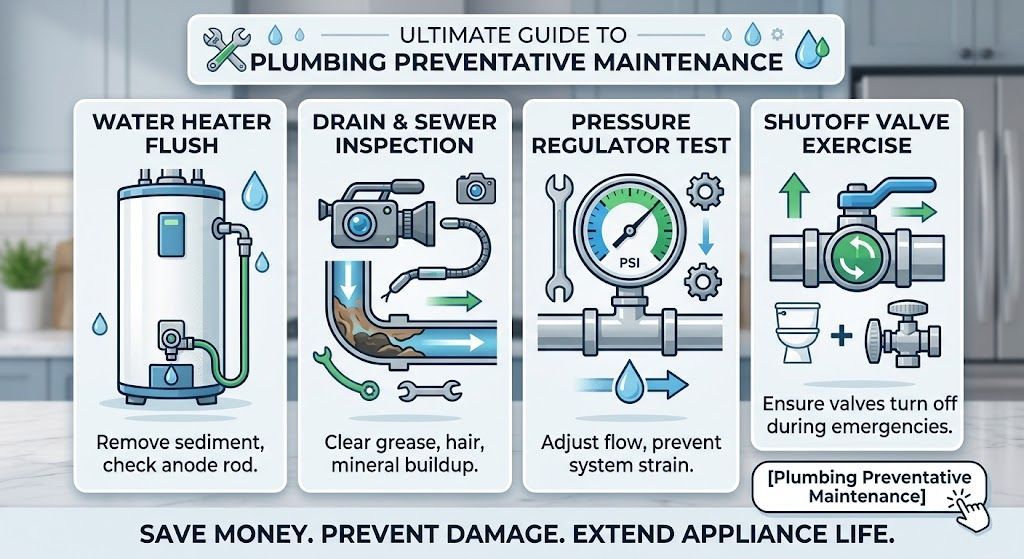
A professional inspection isn’t just looking at the obvious taps. It involves checking pressure regulators, inspecting water heaters for corrosion, testing shutoff valves, and ensuring that your drainage systems are free-flowing. By identifying small issues—like a slow-dripping faucet, a slightly rusted pipe, or a pressure regulator that is failing—technicians can perform minor repairs today that prevent massive, emergency plumbing disasters tomorrow.
The Financial Benefits: Protecting Your Wallet
It is a common misconception that maintenance is an unnecessary expense. In reality, it is a cost-saving strategy. Consider the following ways preventative maintenance protects your bank account:
1. Preventing Costly Water Damage
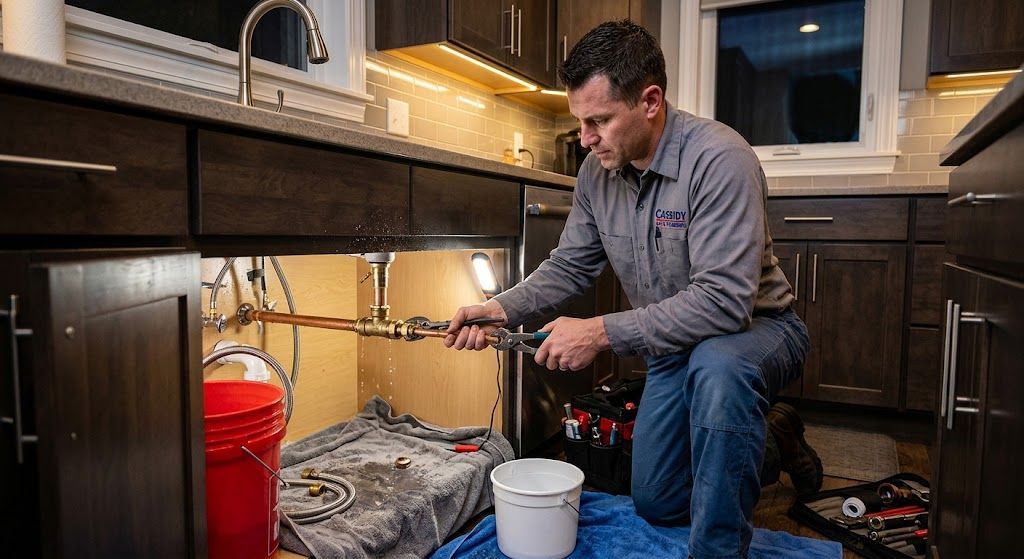
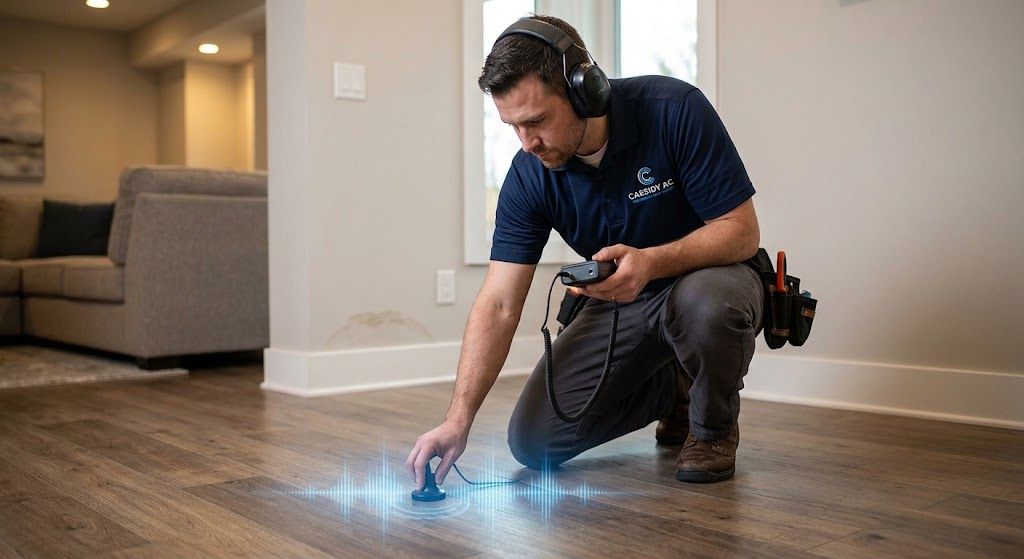
Water is one of the most destructive forces in a home. A small leak hidden inside a wall or under a cabinet can go unnoticed for weeks, fostering mold growth, rotting wood framing, and destroying flooring. The cost of remediating water damage and mold far exceeds the cost of a routine plumbing checkup.
2. Reducing Utility Bills
High water bills are often the first sign that your system is leaking or that a toilet is running constantly. Even a "silent" leak in a toilet flapper can waste thousands of gallons of water per year. By maintaining your fixtures and identifying leaks early, you ensure your water usage stays efficient.
3. Extending the Life of Appliances
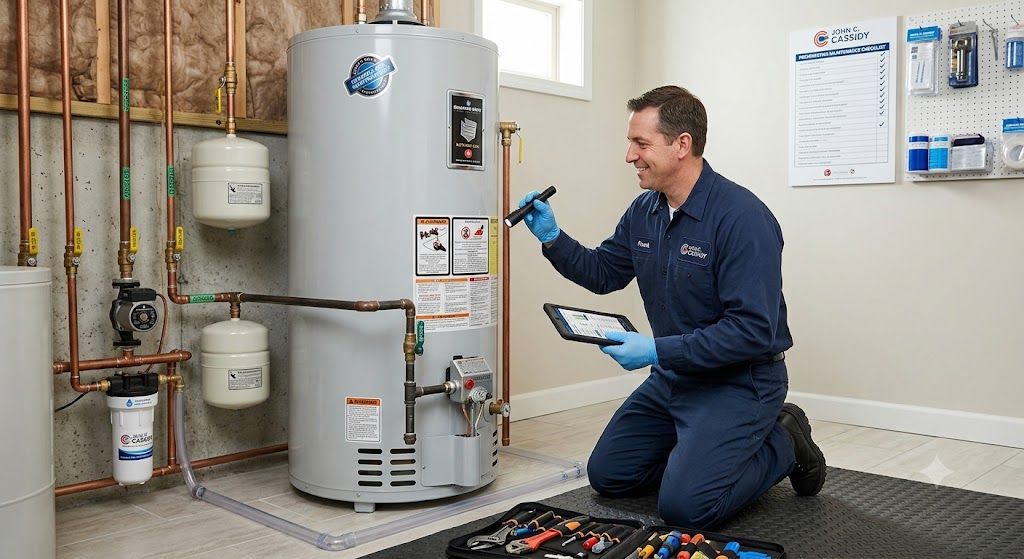
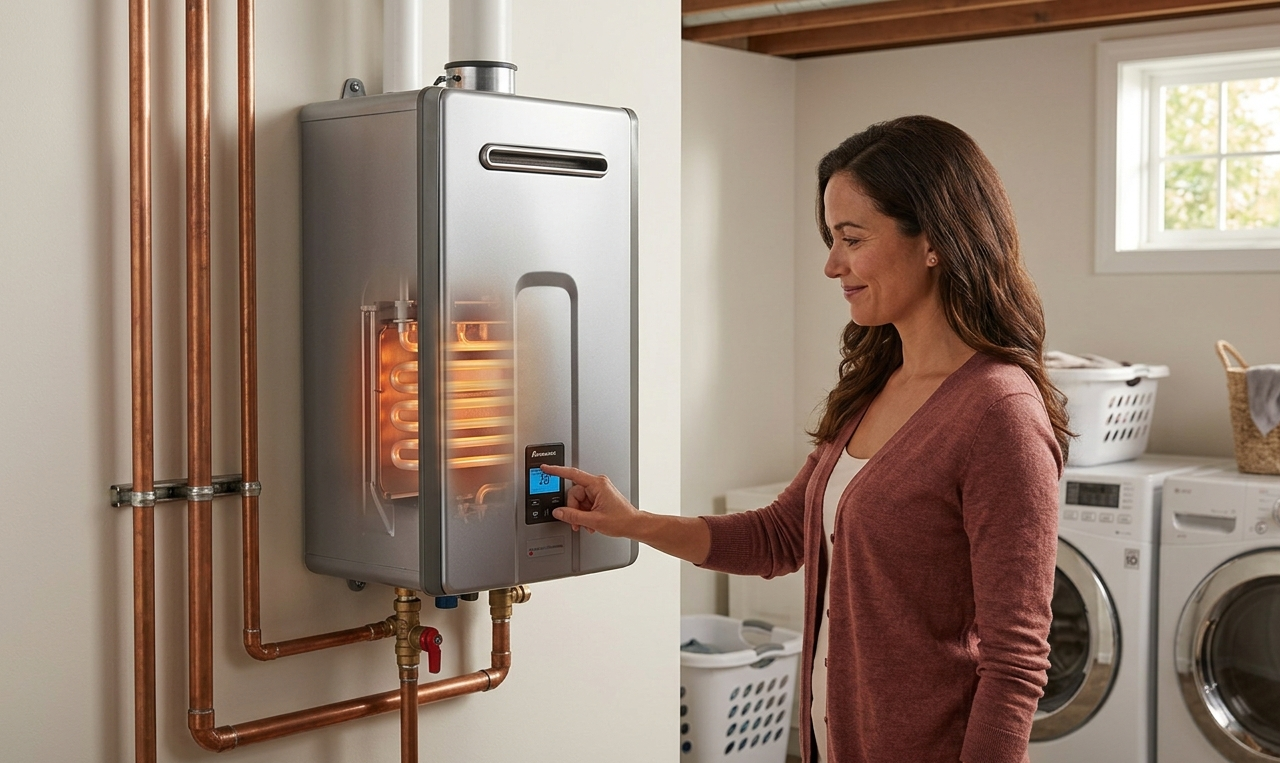
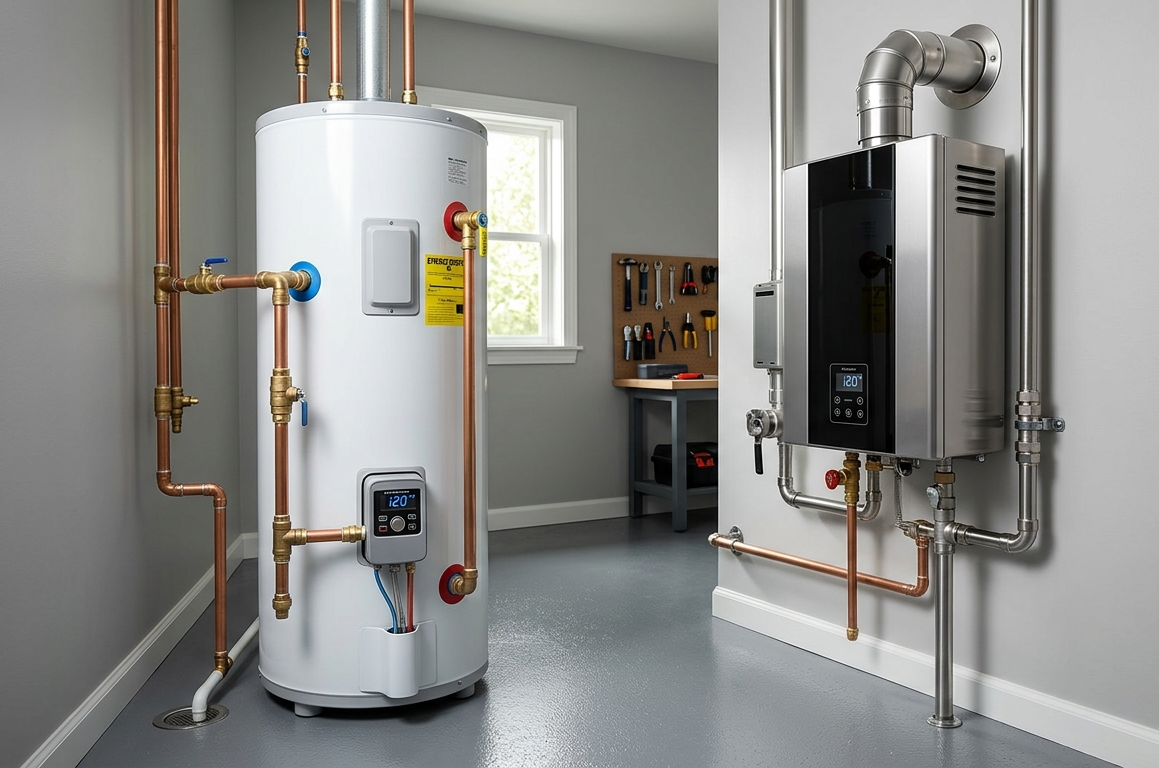
Your water heater is a significant investment. Without proper maintenance, sediment builds up in the tank, forcing the heating elements to work harder, which consumes more energy and accelerates the aging of the unit. Regular flushing and inspections significantly prolong the life of your water heater, delaying the need for a costly replacement.
Key Components of a Professional Plumbing Inspection
When you hire experienced professionals like the team at John C. Cassidy Air Conditioning & Plumbing, they don’t just walk through your house and turn on the taps. A comprehensive maintenance visit is a detailed technical procedure. Here is what is typically included:
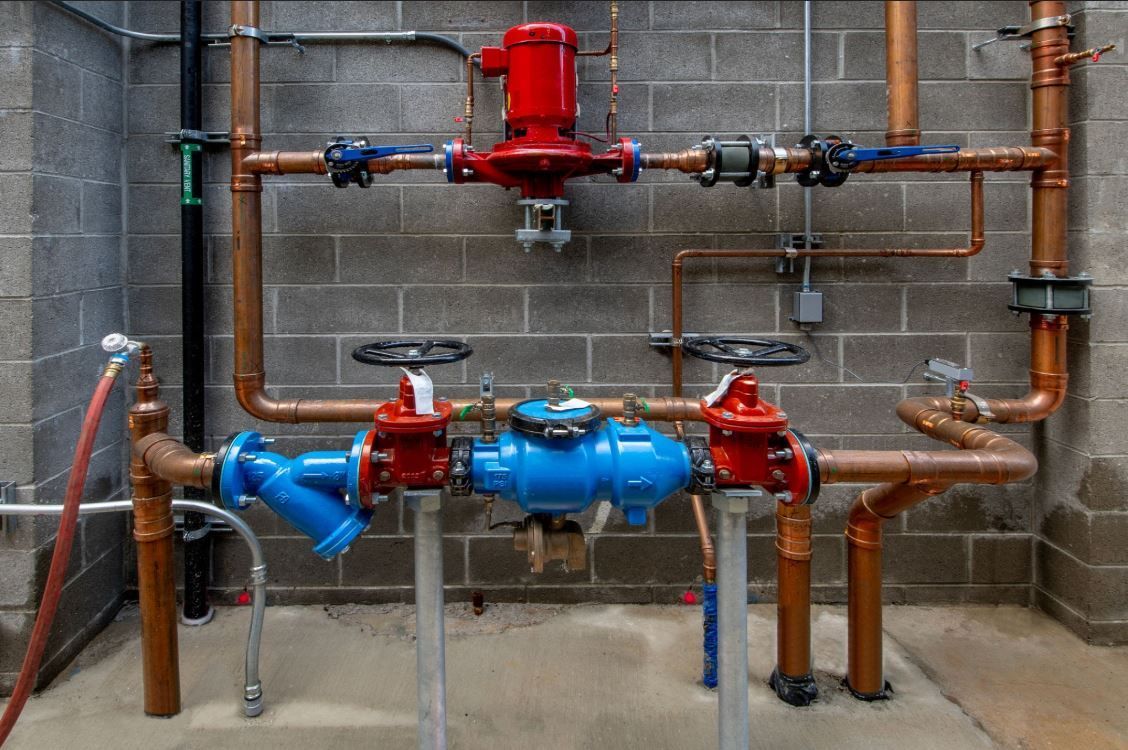
- Exterior Valve Inspection: Technicians check hose bibs and your home’s main water shutoff valve. Ensuring you can actually shut off the water in an emergency is critical.
- Water Heater Analysis: This includes inspecting the tank for signs of rust, checking the burner assembly or heating elements, and ensuring the recirculation pump is operating correctly.
- Pressure Testing: High water pressure can stress your pipes and cause sudden bursts. Professionals test your home's PSI to ensure it remains at a safe level for your fixtures.
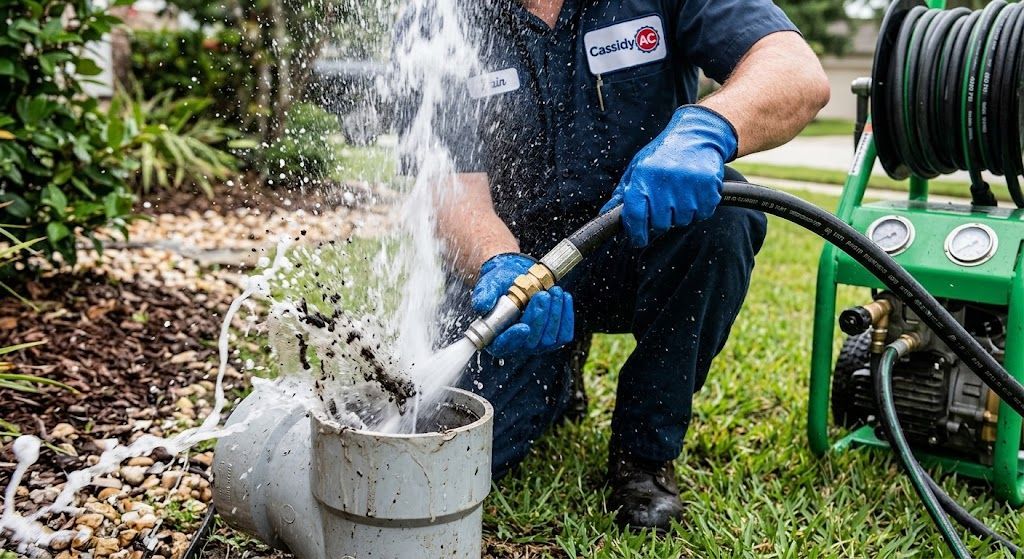
- Drain and Sewer Checks: Using visual inspections (and sometimes specialized tools), technicians test for flow issues to ensure you aren't on the verge of a major clog or sewer backup.
- Fixture Evaluation: Every faucet, sink, and toilet is inspected for mechanical integrity. This includes checking toilets for proper flushing and inspecting supply lines for signs of wear or corrosion.
The Hidden Danger of DIY Maintenance
With the rise of internet tutorials, many homeowners are tempted to take a DIY approach to plumbing. While changing a showerhead or clearing a minor sink clog is fine for the amateur, systemic maintenance requires specialized tools and a trained eye.
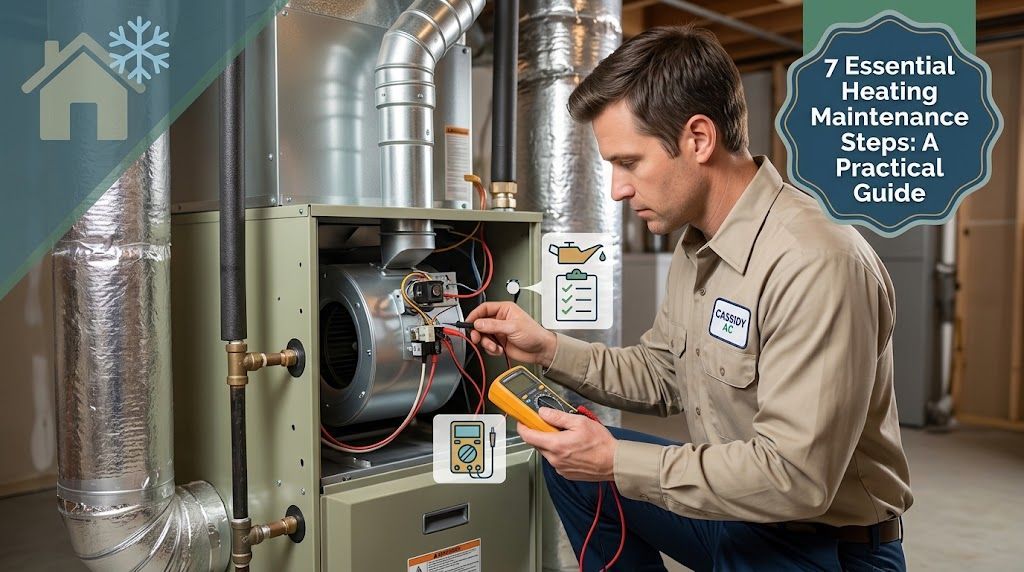
A professional technician can spot subtle signs of galvanic corrosion, misaligned seals, or outdated plumbing materials that a layperson might miss. Furthermore, attempting to adjust gas lines or complex water heater components without the proper training can result in dangerous gas leaks or electrical hazards. For the sake of your home’s safety and your insurance compliance, leave the heavy lifting to the professionals.
When Should You Schedule Maintenance?
The best time for plumbing maintenance is before you encounter an issue. Ideally, you should schedule a comprehensive inspection at least once a year. If you live in an older home with original plumbing, you may want to increase this frequency to every six months.
Furthermore, if you are planning to go on an extended vacation, it is a great time to have a technician verify that everything is secure so you don’t come home to a flooded basement or a surprise leak.
Choosing the Right Service Partner
Not all plumbers are created equal. When selecting a team to manage your home’s plumbing health, look for a company with a long-standing reputation, transparent pricing, and comprehensive service plans. You want a team that is not just interested in fixing what is broken, but in keeping your home healthy for the long term.
A high-quality service plan should offer priority scheduling, discounted labor rates, and, most importantly, the consistency of having the same experts monitor your home year after year. This continuity allows the technician to understand the nuances of your specific plumbing system, making it easier to spot deviations from the norm.
Ensuring Long-Term Success
Investing in your home is about more than just aesthetics; it is about infrastructure. A house that is well-maintained is a house that retains its value and offers a safe, comfortable environment for your family. By making proactive, professional care a part of your annual home maintenance calendar, you shift your mindset from reactive panic to confident ownership.
Don't wait for a pipe to burst or a basement to flood before you decide to get proactive. If you are ready to ensure your home’s plumbing is in top-tier condition and avoid the stress of unexpected failures, explore your options for
plumbing preventative maintenance with a trusted local provider. Regular care is the smartest investment a homeowner can make to protect their property and their future.
Conclusion
The convenience of modern plumbing is a luxury we often overlook until it disappears. By prioritizing routine care, you protect your family from the damage of leaks, keep your utility costs in check, and significantly extend the lifespan of your critical home systems. Take the step today to secure your home’s future by partnering with professionals who have the expertise to keep your pipes flowing smoothly for years to come.