The Ultimate Guide to Home Water Heaters: Repair, Replacement, and Maintenance Tips
Few things disrupt a household quicker than an unexpected blast of ice-cold water in the middle of a morning shower. Your home's water heater is an unsung hero, working quietly behind the scenes to provide comfort, cleanliness, and convenience. Yet, most homeowners rarely think about this vital appliance until it stops working entirely.
Understanding how your hot water system operates, recognizing the early warning signs of trouble, and knowing when to choose repair over replacement can save you thousands of dollars. This comprehensive guide covers everything you need to know to keep your hot water flowing efficiently and reliably.
The Two Main Types of Home Water Heaters
Before diving into troubleshooting and maintenance, it helps to understand the specific type of system installed in your home. The two primary options on the market each come with distinct operational dynamics, benefits, and drawbacks.
1. Traditional Storage Tank Water Heaters
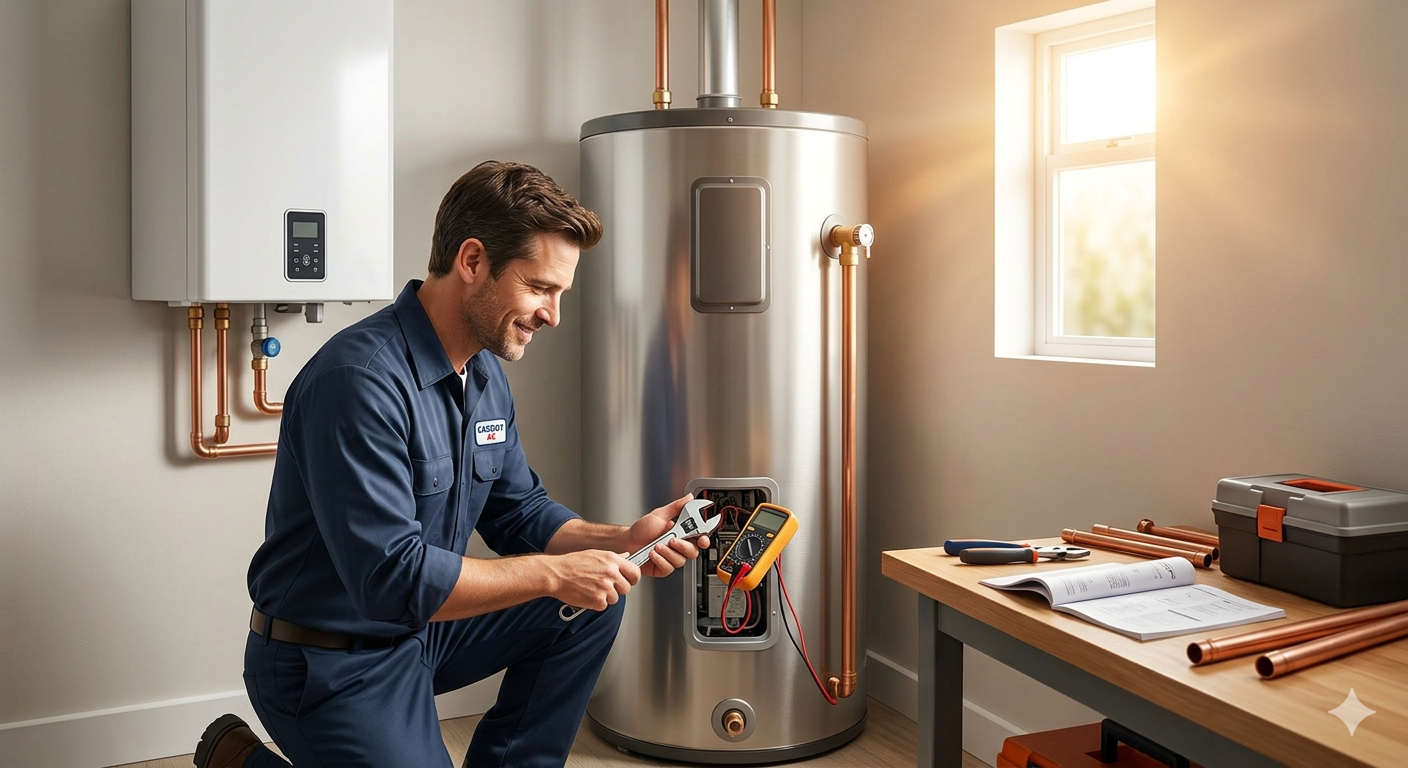
The standard storage tank system remains the most common setup in residential properties. These units work by constantly heating a large reservoir of water (typically between 30 to 50 gallons) so that it is ready whenever you turn on a tap.
- The Pros: Lower upfront purchase and installation costs; simple design that is straightforward to repair.
- The Cons: High energy consumption because the unit constantly reheats water to maintain a set temperature (a phenomenon known as standby heat loss); a finite supply of hot water that can temporarily run out during peak usage times.
2. Tankless (On-Demand) Water Heaters
Tankless models do not store hot water. Instead, they pass cold water through a series of high-powered heating elements (either gas burners or electric coils) that instantly warm the water only when a hot water tap is turned on.
- The Pros: Virtually endless supply of hot water; exceptionally high energy efficiency (saving up to 30% on monthly utility bills); compact, space-saving design; longer overall lifespan (often lasting 20 years or more).
- The Cons: Significantly higher initial installation costs; potentially limited flow rates if multiple high-demand appliances (like a washing machine and a shower) run simultaneously.
5 Warning Signs Your Water Heater is Failing
Water heaters rarely stop working without dropping clues first. Catching these warning signs early allows you to schedule a professional repair before an expensive, messy breakdown occurs.
1. Fluctuating Water Temperatures
If your water alternates between scalding hot and freezing cold, or if it takes significantly longer to heat up than it used to, your unit is struggling. This is often caused by a failing heating element in electric models or a malfunctioning burner assembly in gas units.
2. Strange Discoloration or Rusty Water
When your hot water comes out of the faucet looking brown, rusty, or muddy, it is a major red flag. This visual clue usually indicates that the internal lining of your tank is corroding. If left unaddressed, this rust will eventually eat through the steel shell, leading to catastrophic leaks.
3. Loud Banging, Rumbling, or Popping Noises
Over years of continuous use, hard water leaves behind mineral deposits like calcium and magnesium. These minerals settle at the bottom of the tank, hardening into a thick layer of sediment. When the burner heats the water, air bubbles trap beneath this crust and pop loudly. This sediment layer acts as a barrier, forcing your system to work harder, overheat, and degrade faster.
4. Visible Leaks Around the Base
Any pooling water or dampness around the base of your appliance requires immediate attention. Leaks can stem from loose valves or plumbing connections, which are easy fixes. However, if the leak originates from a fracture in the main tank body itself, the unit cannot be repaired and must be replaced.
5. Advanced Age
Most standard tank water heaters are engineered to last between 8 to 12 years. If your unit is approaching or has passed its 10th birthday, its internal components are likely reaching the end of their functional lifespan. Proactive replacement is often much cheaper and less stressful than dealing with an emergency failure.
Crucial Maintenance Steps to Extend Lifespan
You can easily add years to your water heater's life by performing routine maintenance. These simple tasks improve energy efficiency and prevent premature tank failure.
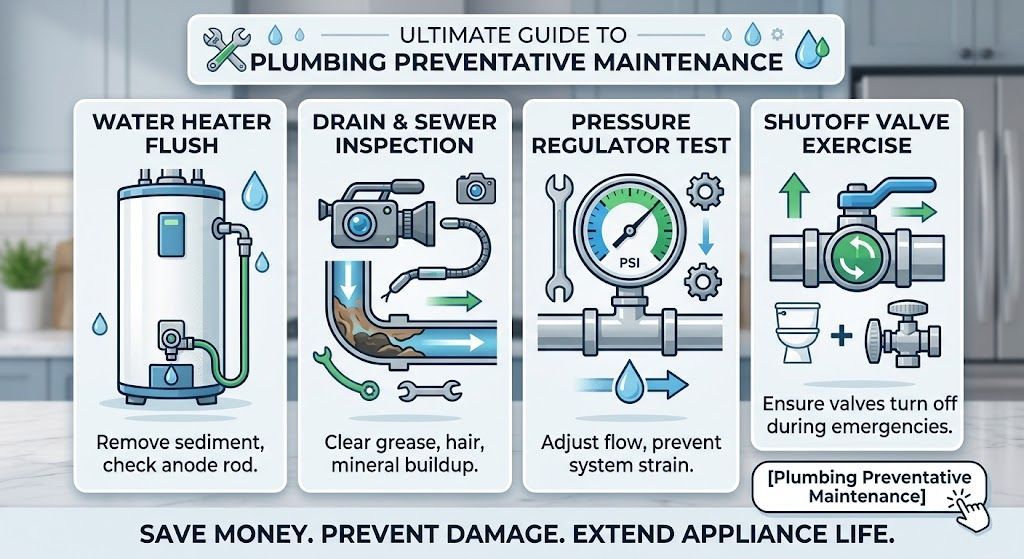
- Flush the Tank Annually: Draining your water heater once a year clears out accumulated sediment, preserving heating efficiency and stopping the loud rumbling noises mentioned above.
- Test the T&P Valve: The Temperature and Pressure Relief (T&P) valve is a critical safety feature designed to release water if internal pressure spikes too high. Lift the valve's lever briefly to ensure water flows out and stops cleanly when released. If it leaks or fails to open, replace it immediately.
- Check the Anode Rod: Often called the "sacrificial rod," this magnesium or aluminum component hangs inside the tank and intentionally attracts corrosive elements to keep them away from the steel walls. Check this rod every 2 to 3 years; if it is heavily rusted or worn thin, install a new one to keep protecting your tank.
Repair vs. Replacement: Making the Right Call
When your hot water system acts up, you face a tough financial decision: pay for a repair or invest in a brand-new system? Use the following breakdown to guide your choice.
Why Professional Installation Matters
While DIY home improvement projects are highly popular, water heater installation should always be left to the experts. These systems handle high-voltage electricity, natural gas lines, intense heat, and high water pressure simultaneously.
A single mistake during a self-installation can result in dangerous gas leaks, electrical shorts, house fires, or massive indoor flooding. Furthermore, major manufacturers often void equipment warranties entirely if the unit was not installed by a licensed professional technician.
When you need reliable, prompt assistance to restore comfort to your home, working with experienced experts ensures the job is done safely and up to local building codes. If you are experiencing structural leaks, inadequate heating, or just want to explore energy-efficient upgrades, the team provides top-tier
water heaters services tailored specifically to your household's unique hot water demands. Don't wait for a total breakdown to leave you out in the cold—taking action early keeps your home safe and comfortable all year round.