Your commercial property’s plumbing system is a complex network designed to deliver clean, safe water on demand. However, a sudden shift in water pressure can instantly compromise this network, turning safe potable water into a hazardous health risk. This dangerous phenomenon is known as backflow.
For business owners, property managers, and facility directors, ensuring your system has adequate protection is not just a matter of operational safety—it is a legal requirement. In this comprehensive guide, we will explore everything you need to know about commercial backflow prevention, how these systems work, why they fail, and how to maintain compliance.
What is Backflow and Why Does It Happen?
In a properly functioning plumbing system, water is designed to flow in a single direction: from the municipal water supply into your facility. This unidirectional flow is maintained by consistent water pressure. However, if that pressure drops or if pressure within your building’s system surpasses municipal levels, the direction of the water can reverse.
When water flows backward, it can siphon contaminants—such as chemicals, fertilizers, industrial waste, and microbiological pathogens—back into the clean water supply. There are two primary mechanisms that cause this to happen:
1. Backsiphonage
Backsiphonage occurs when there is a sudden drop in the supply pressure of the municipal water line. Think of it like drinking through a straw; a vacuum is created, pulling liquid upward. Common triggers for backsiphonage include:
- High-volume water usage nearby, such as firefighters drawing water from a hydrant.
- A major break or rupture in the main municipal water line.
- Routine municipal water main maintenance or flushing.
2. Backpressure
Backpressure happens when the pressure within your facility’s private plumbing network exceeds the pressure coming from the municipal supply line. When your internal pressure is higher, it forces water to push backward into the public grid. Common causes of backpressure include:
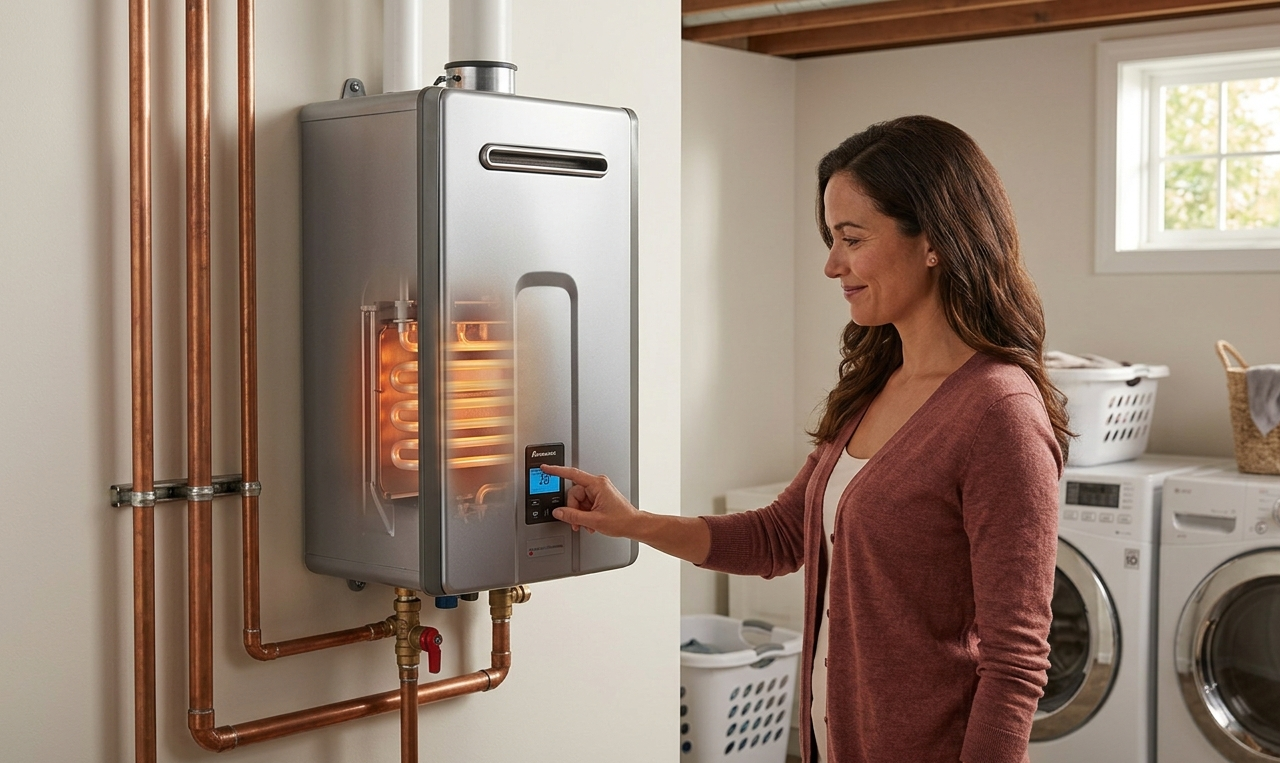
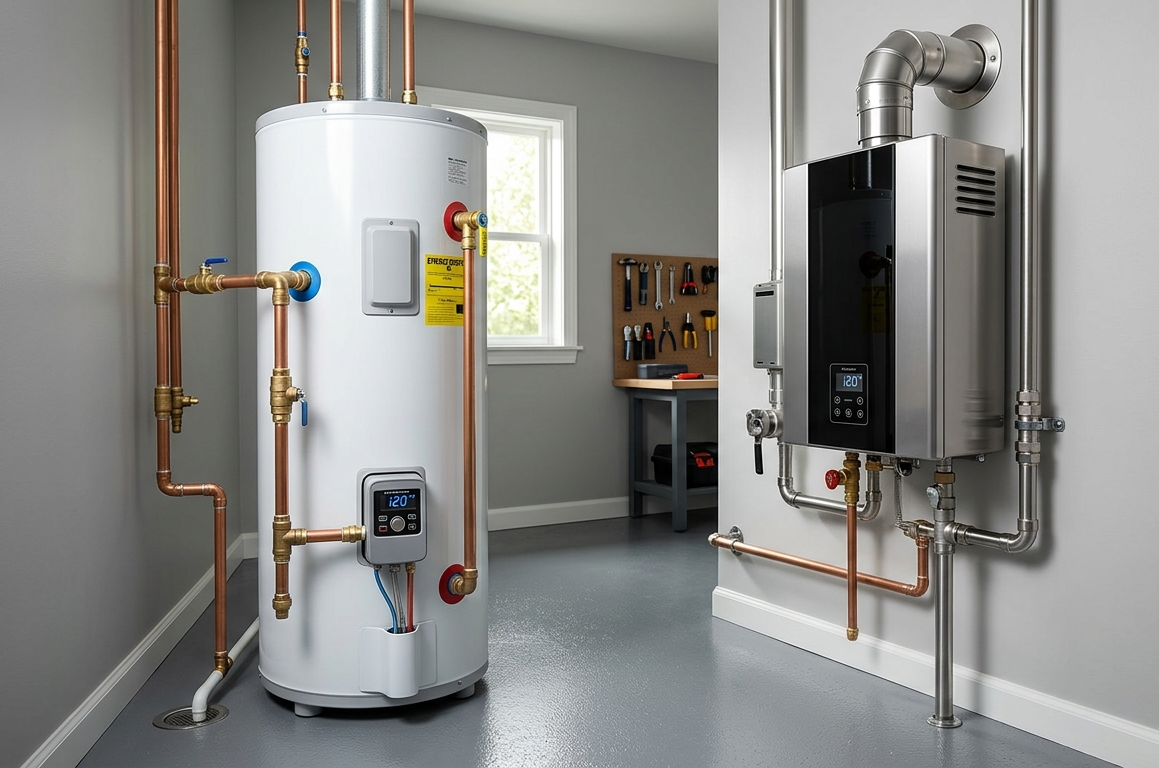
- Boiler systems or heating units that generate excessive thermal expansion.
- Internal water pumps operating at higher pressures than the city supply.
- Elevated storage tanks or piping setups where gravity creates significant downward force.
The Crucial Role of Backflow Preventers
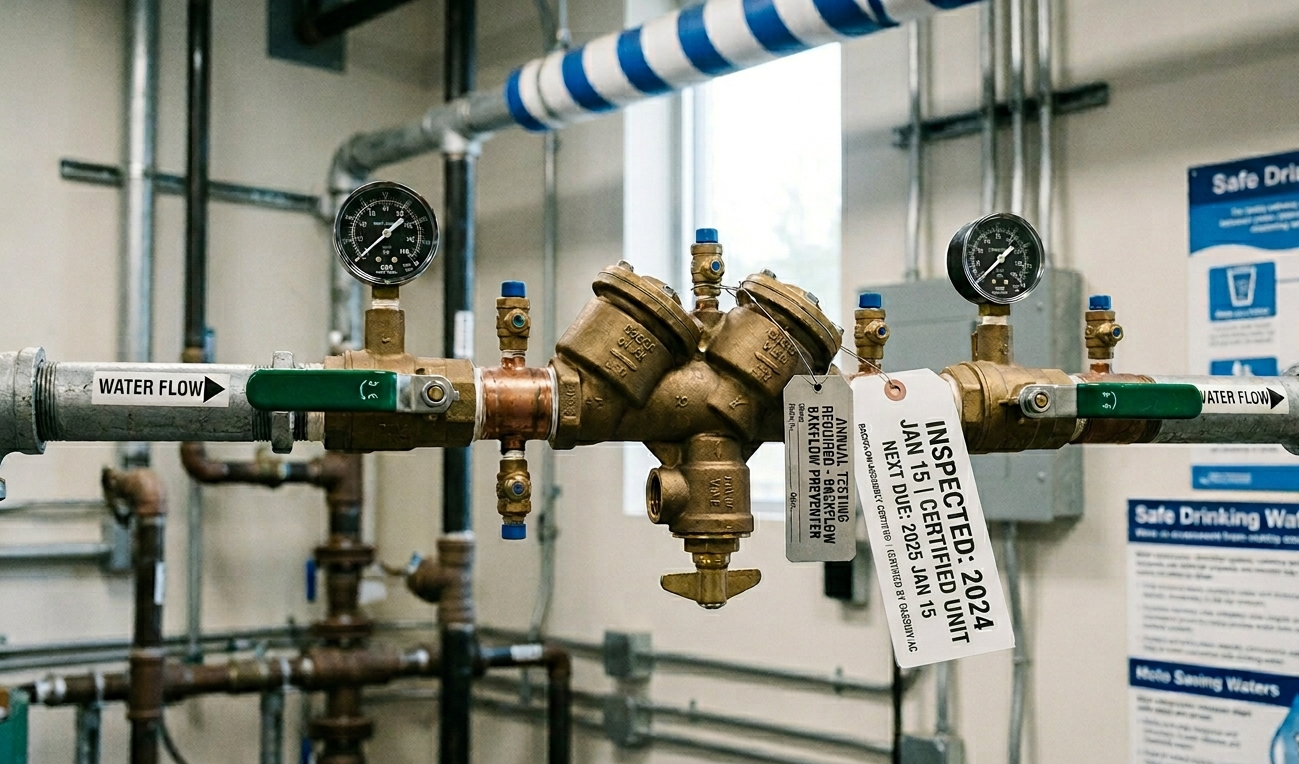
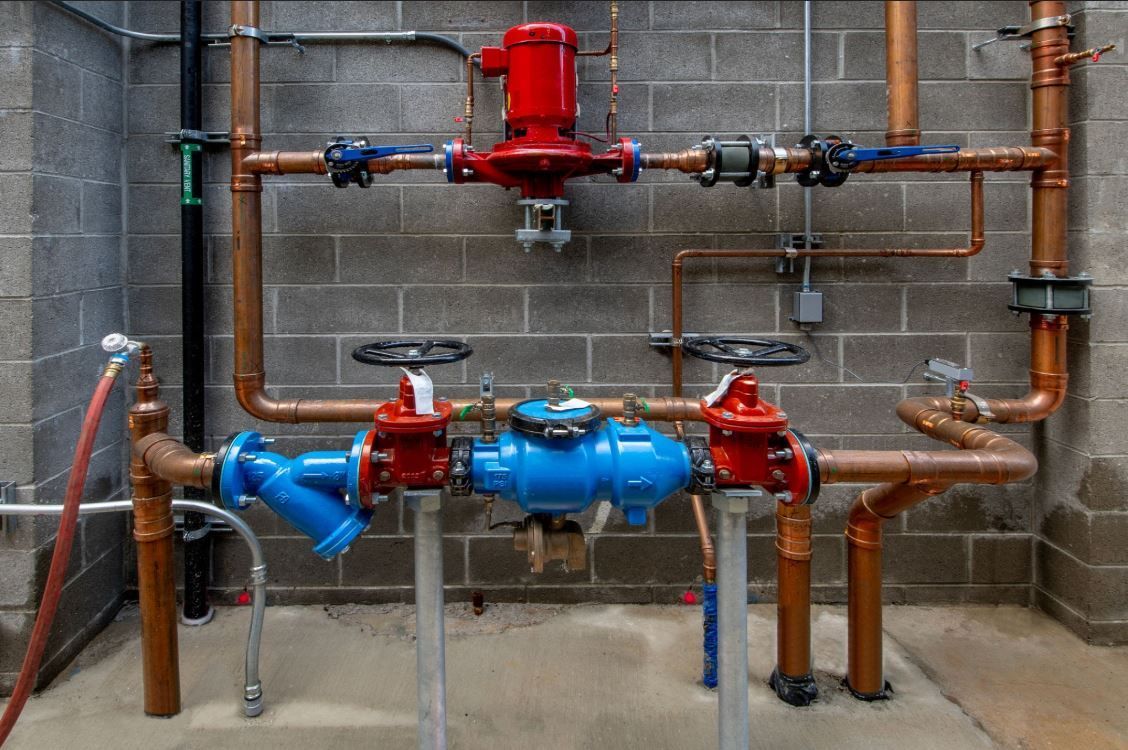
To mitigate these risks, commercial facilities must install dedicated backflow prevention assemblies. These mechanical devices act as one-way check valves, allowing water to enter your building but instantly sealing shut if a reversal of flow is detected.
Depending on the specific risk profile of your commercial property, different types of assemblies are utilized:
- Reduced Pressure Zone (RPZ) Assemblies: Widely considered the gold standard for high-hazard applications. RPZ valves feature two independent check valves separated by a pressure-differential relief valve. If either check valve leaks or pressure fluctuates dangerously, the relief valve opens and discharges the contaminated water safely outside the system.
- Double Check Valve Assemblies (DCVA): Typically used in low-to-medium hazard environments, such as commercial fire sprinkler lines. A DCVA utilizes two spring-loaded check valves in a series. While effective at stopping backflow, they do not feature a relief valve to discharge water, making them unsuitable for highly toxic contaminants.
- Pressure Vacuum Breakers (PVB): These are often installed in irrigation systems. They use a floating check valve and an air inlet valve to break the vacuum caused by backsiphonage, preventing water from being pulled back into the main supply.
Legal Regulations and Compliance Standards
Because contaminated water poses a severe public health hazard, federal, state, and local governments strictly enforce backflow prevention regulations. The Environmental Protection Agency (EPA) sets baseline regulations under the Safe Drinking Water Act, but local water authorities dictate specific compliance codes.
Failure to comply with local backflow mandates can result in severe consequences for business owners:
- Heavy Monetary Fines: Local water departments issue steep penalties for non-compliance or missed testing windows.
- Service Disruption: Water authorities reserve the right to shut off water service to your facility entirely until compliance is proven.
- Civil Liability: If a backflow incident originates from your property and contaminates the public drinking supply or makes tenants sick, your business could face catastrophic legal liabilities and lawsuits.
The Importance of Annual Backflow Testing
Installing a backflow preventer is not a one-time fix. Because these assemblies contain moving mechanical parts, springs, and rubber seals, they are subject to wear and tear over time. Debris, mineral scale, and pressure spikes can cause components to degrade, leading to hidden failures.
Because a failing backflow preventer rarely shows external signs of malfunction, annual testing is mandatory in almost all jurisdictions.
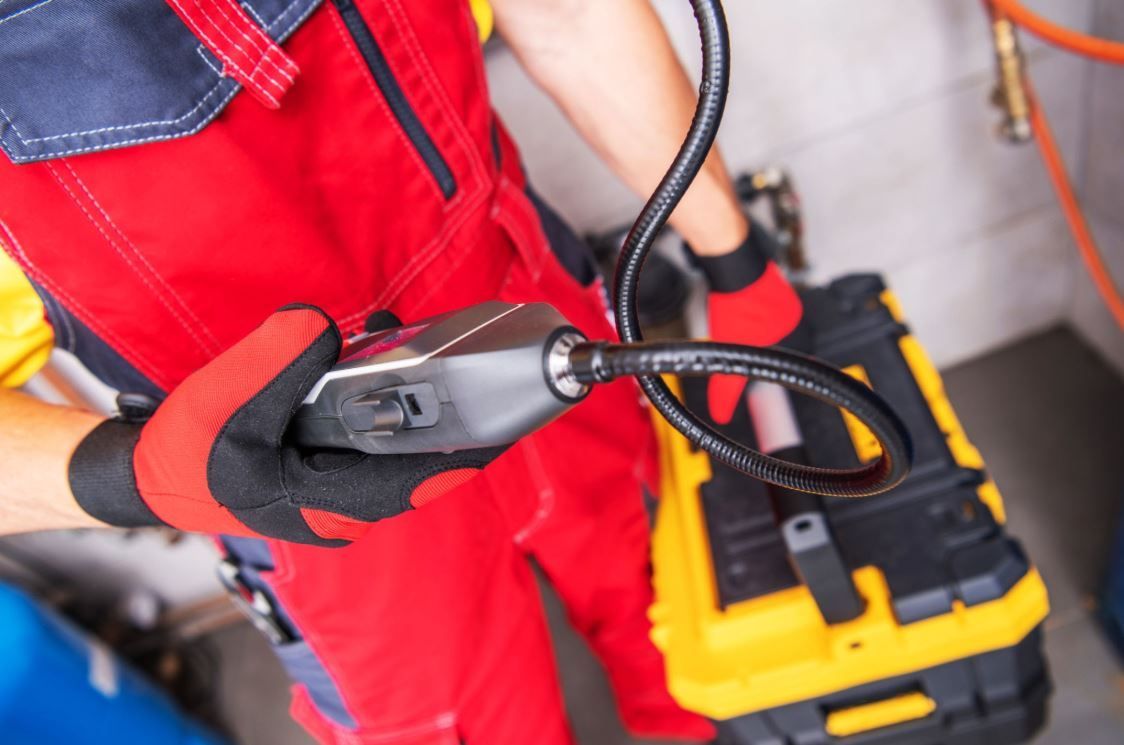
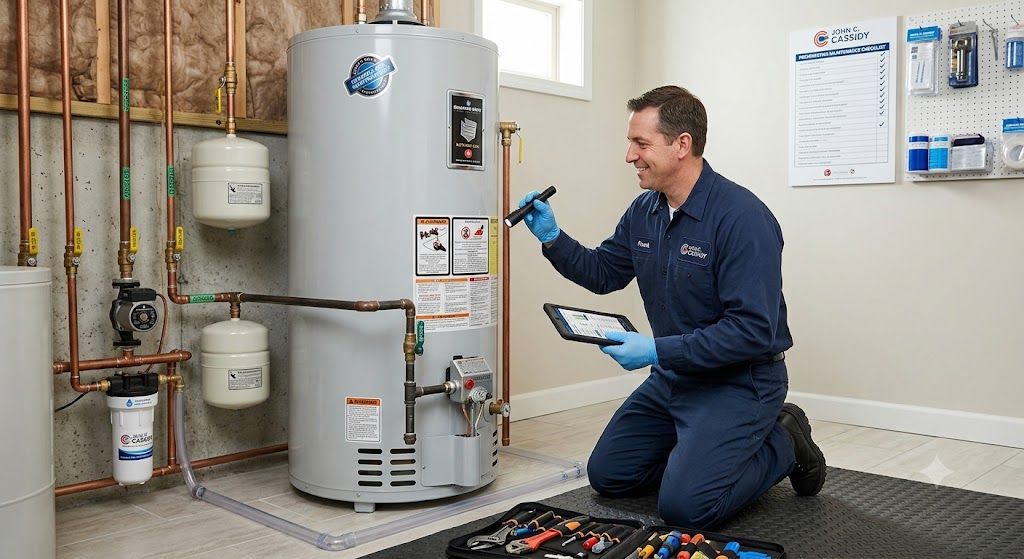
During an official inspection, a certified plumber connects specialized digital testing equipment to the test cocks on your backflow assembly. They measure the exact pressure differentials across the internal valves to ensure everything seals tightly under stress. If the assembly passes, the technician submits the necessary documentation directly to your local water authority to keep your property in good standing.
Proactive Signs Your Plumbing Needs Immediate Attention
While annual inspections are legally required, emergencies can happen between testing intervals. As a property manager, you should keep an eye out for these warning signs that indicate your backflow assembly or broader plumbing system needs professional intervention:
- Discolored or Cloudy Water: If the water coming out of your taps looks brown, yellow, or murky, it could mean sediment or cross-contaminated water is entering your supply.
- Unusual Odors or Tastes: A sudden sulfur, metallic, or chemical smell coming from your water fixtures is a major red flag.
- Fluctuating Water Pressure: If you notice sudden drops or surges in water pressure across your building, your backflow system may be straining to manage the shifts.
- Constant Leaking from the Relief Valve: While RPZ valves are designed to spit out small amounts of water during pressure shifts, a continuous leak or steady stream of water indicates an internal seal failure.
Protect Your Commercial Investment Today
Maintaining the integrity of your commercial plumbing system requires expertise, precision, and adherence to strict local codes. Leaving your property unprotected risks public safety, exposes your business to enormous legal liability, and invites costly administrative fines.
Partnering with licensed plumbing professionals ensures your backflow systems are correctly sized, installed, and certified year after year. If you need to schedule your mandatory annual inspection, install a new assembly, or repair an existing unit, contact the experts specializing in commercial
backflow prevention to keep your property safe, compliant, and operating smoothly.