How Salt Air Can Harm Your Air Conditioning System
Salt air is a constant threat to AC systems in coastal Palm Beach County, but tailored protection for cities like Riviera Beach, Jupiter, Palm Beach Gardens, West Palm Beach, and Boca Raton can dramatically slow corrosion and cut down on surprise breakdowns. Framing this around how local homes are built and used makes the topic much more relevant for Cassidy AC’s audience.
Life On The Palm Beach Coast Is Tough On AC
Living near the Intracoastal, canals, or the beach means your AC sits in a bath of salty, humid air almost all year. Fine salt particles ride in on the sea breeze, settle on your outdoor unit, and mix with moisture to form a thin, corrosive film on metal parts.
Homes in Riviera Beach, Palm Beach Gardens, Jupiter, West Palm Beach, and Boca Raton often see heavier wear because systems run long hours in heat and humidity while constantly exposed to salt. Without coastal‑specific maintenance, that environment quietly shaves years off equipment life compared with similar systems farther inland.
How Salt Air Damages AC Systems In Our Area
In Palm Beach County, salt damage does not happen overnight—it builds slowly until performance drops or something fails on a brutally hot day. Understanding what is happening inside and outside your unit helps you decide when to call a local expert like Cassidy AC.
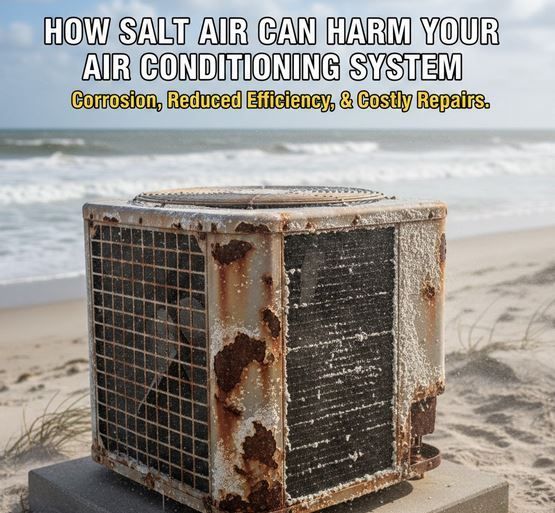
On the outdoor unit, salt and moisture cling to condenser coils and aluminum fins, causing pitting, corrosion, and flaking that restrict heat transfer. Refrigerant lines and copper tubing can corrode to the point of pinhole leaks, leading to refrigerant loss and expensive repairs or replacement.
Cabinets, brackets, and screws rust, weakening the unit physically and exposing internal components to more salt and debris. Electrical connections and control boards face accelerated oxidation in moist, salty air, increasing the risk of shorts, intermittent operation, or total failure.
Add in Palm Beach County’s daily wet‑and‑dry cycles—morning dew, afternoon storms, and intense sun—and salt is constantly being deposited, dissolved, and re‑deposited on your equipment. Wind‑blown sand and fine debris can lodge in coil fins, trapping salty moisture and making corrosion even worse if the unit is not kept clean.
City‑By‑City: Why Location Matters
Every coastal community Cassidy AC serves experiences salt air a little differently, which changes how fast damage occurs and how aggressive maintenance needs to be.
Riviera Beach & Singer Island
Homes close to the ocean and Intracoastal see the highest salt concentration, so outdoor units corrode faster and often need more frequent coil cleaning and inspections. Multifamily buildings and condos with rooftop or exposed side‑yard units are especially vulnerable and benefit from coastal‑rated equipment and coatings.
Jupiter & Palm Beach Gardens
Many neighborhoods are near waterways and open green spaces, so salt exposure is still significant but can vary block‑to‑block. Homeowners who run systems hard for large, multi‑story homes or extended family living often notice early warning signs like uneven cooling and rising bills when coils begin to corrode.
West Palm Beach & Palm Beach Island
Older homes and historic properties may have aging equipment and older refrigerant lines that are already compromised by years of salt exposure. For these homes, repair‑versus‑replace decisions often center on visible corrosion, leak history, and the desire to preserve comfort without sacrificing architectural character.
Boca Raton & South County
Many properties feature pools, outdoor kitchens, and large glass areas, putting heavy load on AC systems in already salty, humid air. High‑end equipment and add‑ons like advanced filtration and dehumidification are common here, so protecting those investments from salt corrosion is a top priority.
Warning Signs Your Coastal AC Is In Trouble
Salt damage in Palm Beach County usually shows up as subtle performance changes before you see obvious rust. If you notice more than one of these, it is time to schedule a Cassidy AC inspection.
Visible rust or white, crusty deposits on your outdoor unit, especially on coils and screws. Rising electric bills even though thermostat settings and usage have not changed.
Longer run times, warm or uneven rooms, or a system that cycles frequently without keeping up. New rattling, buzzing, or grinding noises from the outdoor unit.
Musty odors indoors, excess humidity, or recurring mold around vents and windows. In this climate, ignoring these red flags often leads to a no‑cool situation on one of the hottest days of the year, when appointment windows are tight and systems are under maximum stress.
Coastal Habits Palm Beach Homeowners Can Use
While you cannot remove salt from the air, simple habits between professional visits can slow corrosion and extend system life in Riviera Beach, Jupiter, West Palm Beach, Palm Beach Gardens, and Boca Raton.
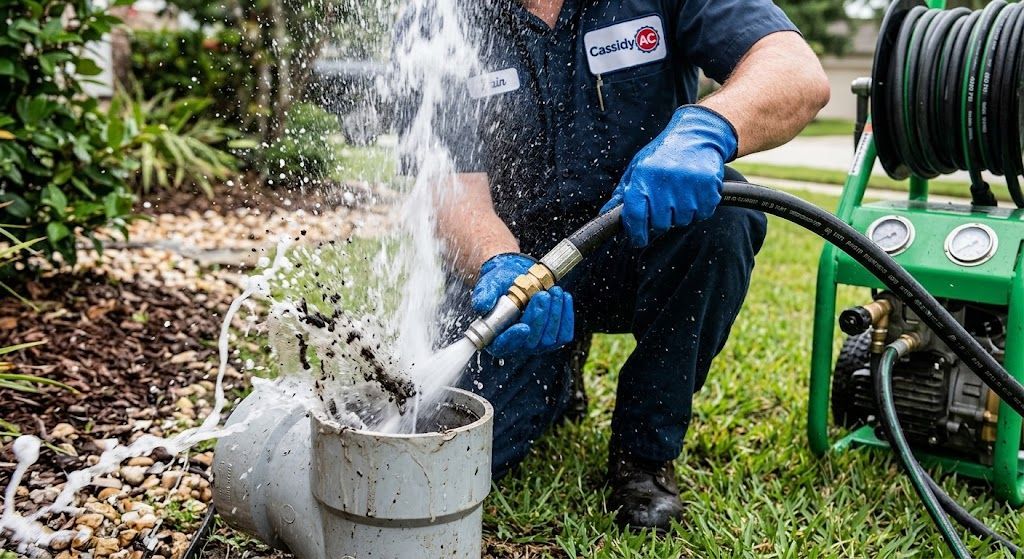
Keep at least a couple of feet of clearance around your outdoor unit by trimming plants and removing debris so air flows freely and moisture can evaporate. Rinse the outdoor cabinet gently with fresh water (not high pressure) to remove surface salt and dirt, especially during peak season.
Make sure the unit sits level and that the slab or pad drains properly so water does not pool beneath or around the cabinet. Change or clean air filters on schedule—often monthly during high‑use months—to protect indoor coils and maintain airflow for proper dehumidification.
Keep supply and return vents unblocked and watch for interior signs of excess humidity, like condensation or moisture staining. These small steps are especially valuable for homes close to the beach or Intracoastal, where salt exposure is highest and systems work the hardest.
Why Professional Coastal Maintenance With Cassidy AC Matters
In a coastal climate like Palm Beach and Martin counties, professional maintenance is not optional—it is your main line of defense against salt, humidity, and premature AC failure. Cassidy AC’s local technicians see daily how salt air, storms, and long cooling seasons affect real systems in Riviera Beach, Palm Beach Gardens, Jupiter, West Palm Beach, and Boca Raton.
A thorough coastal maintenance visit typically includes rinsing or cleaning condenser coils safely and checking fins for corrosion or damage. It also includes inspecting refrigerant lines for rust, corrosion, or signs of leaks.
Technicians test electrical connections and control boards for oxidation, verify airflow, inspect drain lines for clogs or algae, and ensure the system is dehumidifying correctly. For homes very close to the water, Cassidy AC may recommend more frequent maintenance—often twice a year plus occasional fresh‑water rinses—to keep salt buildup under control.
Protective Upgrades For Coastal Palm Beach Homes
Some coastal systems and lifestyles call for more than basic maintenance, especially when you want your next AC replacement to last longer than the last. Cassidy AC can recommend upgrades tailored to coastal Palm Beach and Martin County homes.
Options include corrosion‑resistant or “coastal rated” outdoor units with enhanced coatings, hardware, and materials built for salt exposure. Professional coil coatings on existing equipment can be used where appropriate to create a barrier between salt and metal surfaces.
Strategic placement or shielding can keep equipment out of direct salt spray and reduce exposure to wind‑driven rain and sand. Upgraded filtration, duct sealing, and humidity control solutions are available for homes that struggle with dust, sand, or moisture.
These options can add years of life to your system and reduce the risk of surprise breakdowns during peak heat.
When To Repair And When To Replace In A Coastal Climate
Coastal systems in Palm Beach County often reach the repair‑or‑replace crossroads sooner than inland units because of accelerated wear and corrosion. Cassidy AC helps homeowners weigh age, extent of corrosion, repair history, and proximity to the coast before making a recommendation.
If an older system has significant coil corrosion, repeated refrigerant leaks, or multiple costly repairs in a short period, replacement with a more efficient, salt‑resistant model may be the smartest long‑term investment. Newer systems with isolated corrosion or minor performance issues can often be brought back to reliable operation with targeted repairs plus improved maintenance and protective measures.
Working with a family‑owned company that understands Riviera Beach, Palm Beach Gardens, Jupiter, West Palm Beach, Boca Raton, and the surrounding coastal communities means your maintenance plan and system upgrades are designed around real local conditions—not generic advice from somewhere inland.