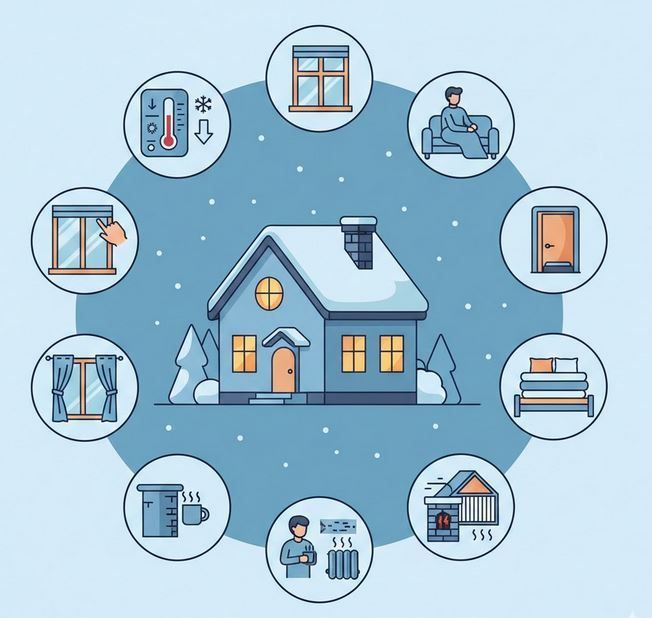
Winters in Palm Beach County are usually mild, but a few cold fronts can still have you reaching for the thermostat and bumping up your power bill. With smart settings and a few simple home tweaks, you can stay comfortable on chilly nights without overspending on energy.
1. Aim for “Florida‑friendly” thermostat settings
On cool nights when temps dip into the 40s and 50s, most South Florida homeowners feel comfortable with indoor settings around 68–72°F. Keeping your heat in this range instead of cranking it into the mid‑70s reduces run time and helps avoid surprise bill spikes.
When you leave home or go to sleep, lowering the thermostat a few degrees (for example, down near the mid‑60s) can save additional energy while still protecting your home and pipes.
2. Use a programmable or smart thermostat
A programmable or smart thermostat is one of the easiest upgrades for Palm Beach County homes because it handles the “on again, off again” nature of mild winters automatically. You can schedule slightly warmer settings for early mornings and evenings, then let the temperature drift lower when you are away or during warmer afternoons.
Connected models let you adjust settings from your phone and avoid heating the house if a forecasted cold front ends up being milder than expected.
3. Take advantage of South Florida sunshine
Palm Beach County enjoys plenty of winter sun, and that free solar heat can noticeably warm rooms facing east and south. Open blinds and curtains during sunny hours to let warmth in, then close them at night to reduce heat loss through glass.
This simple habit can make it easier to keep the thermostat a bit lower, especially in living rooms that get strong afternoon sun.
4. Seal drafts, even in a “warm” climate
Older coastal homes and condos often have leaky sliders, door thresholds, or attic access panels that let cool air creep in on windy nights. Weather-stripping, door sweeps, and a bead of caulk around obvious gaps are low‑cost fixes that help your heat pump or electric heater run less.
Because Palm Beach County is in a humid coastal zone (IECC Climate Zone 2A), sealing air leaks also helps control indoor humidity and improves comfort year‑round.
5. Change air filters more often than you think
Between year‑round pollen, coastal humidity, and regular A/C use, filters in South Florida can clog faster than in drier climates. A dirty filter forces your system to work harder whether you are heating or cooling, raising energy use.
Check filters monthly and replace them as soon as they look dirty; clean filters improve airflow, protect your equipment, and keep winter heating cycles as efficient as possible.
6. Keep vents and returns clear
Furniture pushed against supply vents or return grilles can choke airflow and lead to uneven temperatures, which makes the system run longer to satisfy the thermostat. Make sure nothing blocks vents in bedrooms and living areas, and vacuum dust from grilles to keep air moving freely.
In homes that switch between heat and cool in the same week, good airflow also reduces short‑cycling and wear on your heat pump or air handler.
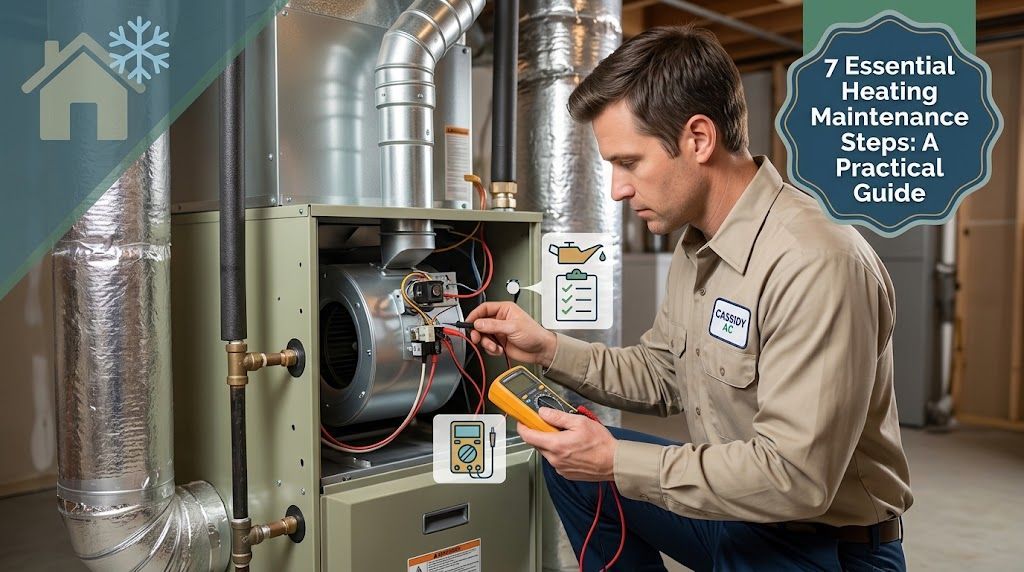
7. Schedule a quick winter check‑up
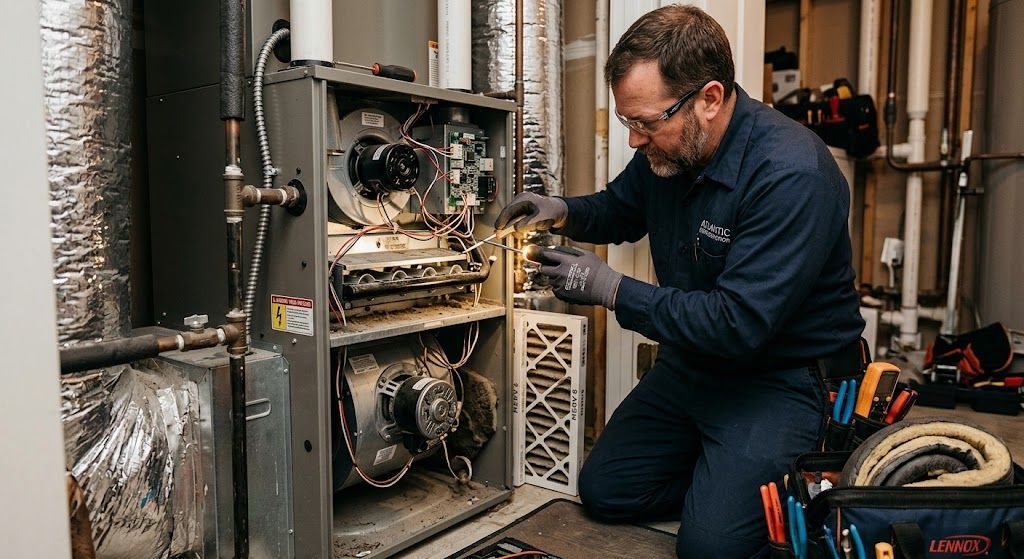
Because South Florida systems work hard all summer, going into winter with clogged coils, weak components, or leaky ducts can still hurt efficiency when you do use heat. A basic maintenance visit to inspect electrical connections, test heat strips or the heat‑pump mode, and check ductwork can pay off in lower energy use and fewer emergency calls.
Some Palm Beach‑area contractors also verify thermostat calibration and airflow, which helps ensure the system is ready for sudden cold snaps without wasting power.
8. Use ceiling fans to push warm air down
Even in a mild climate, warm air still rises and can collect near the ceiling when you run the heat. Set ceiling fans to a low speed in clockwise (winter) mode so they gently push warm air back down into the room.
This can make rooms feel more comfortable at a slightly lower thermostat setting, which trims run time and helps keep bills in check.
9. Lean on layers before raising the thermostat
Because Palm Beach winters are short, investing heavily in heating only to walk around in T‑shirts indoors often leads to unnecessary energy use. Grabbing a light sweater, socks, and a throw blanket in the evening can make a 68°F setting feel perfectly cozy.
For home offices, a small, efficient space heater used briefly and safely during early‑morning work hours may cost less than raising the central thermostat for the whole house.
10. Plan ahead for heat‑pump efficiency
Many Palm Beach County homes rely on heat pumps or electric air handlers rather than gas furnaces, and these systems are most efficient with moderate, steady settings instead of big temperature swings. If you are upgrading equipment, choosing a high‑efficiency heat pump (meeting modern SEER2 and good HSPF ratings) will mainly pay off in cooling season, but it also keeps winter heating costs low.
Pairing that equipment with good duct sealing and smart thermostat programming helps your system handle those cool nights from cold fronts without driving up your FPL bill.
If you tell which company or site this will go on, the blog can be tightened with your brand name and a local call‑to‑action for Palm Beach County homeowners.