Got it — you’d like a full-length blog article (1500–2000 words) titled “Toilet Leaking Water? Here’s How Plumbers Can Help.”
Below is a well-structured, SEO-optimized version designed for readability, authority, and customer engagement. It’s written in an approachable, professional tone ideal for a plumbing or home services blog.
Toilet Leaking Water? Here's How Plumbers Can Help
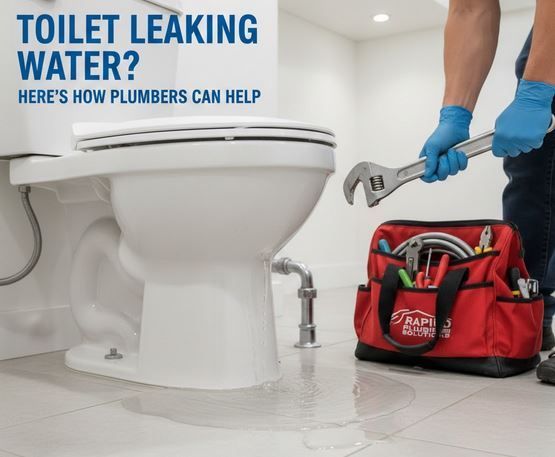
Few household issues are as frustrating—or as common—as a leaking toilet. Whether you hear a constant trickle after flushing, find unexplained water around the base, or notice a sudden spike in your water bill, a leaking toilet can waste thousands of gallons per year and even damage your bathroom floor.
Fortunately, professional plumbers handle these situations every day. They can identify where leaks originate, stop the waste, and ensure your plumbing system runs efficiently once again. In this guide, we’ll explore the causes of toilet leaks, how to spot them early, and exactly how plumbers can help restore functionality and peace of mind.
Why Toilet Leaks Should Never Be Ignored
Even a small leak can add up quickly. A steady toilet leak can waste over 200 gallons of water a day—up to 6,000 gallons a month. That’s not only a hidden cost on your utility bill but also a warning sign that your plumbing system isn’t sealed properly.
Ignoring leaks can lead to several problems:
Water damage: Continuous moisture around the toilet base can rot the subfloor or seep into adjoining walls.
Mold and mildew: Damp environments encourage mold growth, which can affect air quality and cause allergies.
Plumbing wear: A constantly running toilet strains the fill valve and flapper, increasing the risk of larger failures.
Higher bills: Even small leaks can cost homeowners hundreds of dollars annually in added water expenses.
By addressing the issue promptly, you not only protect your bathroom but also save money and conserve a crucial natural resource.
How to Tell If Your Toilet Is Leaking
Sometimes, leaks are obvious. Other times, they’re silent and hidden—particularly if water is seeping into the bowl or floor slowly. Here are several signs your toilet might be leaking:
Continuous Running Sound:
If your toilet seems to run long after flushing, or cycles on and off unexpectedly, water is likely leaking from the tank into the bowl.
Puddles at the Base:
Water collecting around the bottom of the toilet after each flush typically indicates a bad wax ring seal or a crack in the base.
Stained Flooring:
Dark or discolored grout lines, warped wood, or spongy flooring around your toilet often reveal long-term water exposure.
Higher Water Bills:
A sudden increase in your water bill without a noticeable change in usage often points to hidden plumbing leaks.
The Dye Test:
Plumbers and homeowners use this quick trick: add a few drops of food coloring to the tank. If color appears in the bowl without flushing, your flapper isn’t sealing correctly.
Spotting a leak early can save you significant repair costs and prevent damage from spreading beneath the surface.
Common Causes of Toilet Leaks
Toilets are mechanically simple, but they rely on several parts working perfectly in tandem. When just one component fails, leaks occur.
1.
Worn Flapper Valve
The flapper is the rubber piece inside the tank that lifts when you flush and seals closed afterward. Over time, flappers warp, crack, or stiffen, preventing a tight seal. The result? Water leaks silently into the bowl around the clock.
2.
Faulty Fill Valve
The fill valve controls how much water refills the tank after flushing. When it malfunctions, it may allow continuous flow into the tank and bowl, wasting water and creating that familiar “hissing” sound.
3.
Damaged Wax Ring
The wax ring seals the toilet base to the drainpipe. If it deteriorates or shifts, water escapes with each flush, leaking onto the floor at the base of the toilet. This type of leak can quickly lead to floor damage and mold.
4.
Cracked Tank or Bowl
Although uncommon, cracks can develop in porcelain from age, impact, or freezing conditions. Even hairline cracks allow slow leaks that worsen under pressure.
5.
Loose Tank Bolts or Supply Line
Loose or worn tank bolts, washers, or the water supply line connection can drip water steadily onto the floor or behind the toilet. These leaks are easy to miss until major puddles appear.
By identifying the true cause, you can decide whether a simple part replacement will fix the issue—or whether professional plumbers are needed to ensure everything is sealed and installed correctly.
What Plumbers Do When Your Toilet Leaks
Professional plumbers don’t just patch the problem—they diagnose and prevent future leaks. Here’s how they typically handle leaking toilets:
Step 1: Inspection and Diagnosis
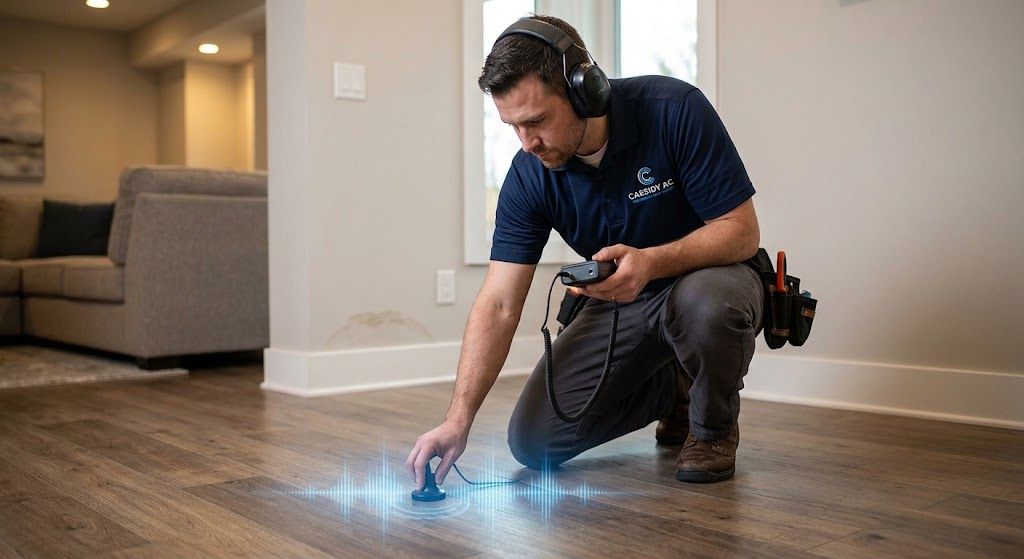
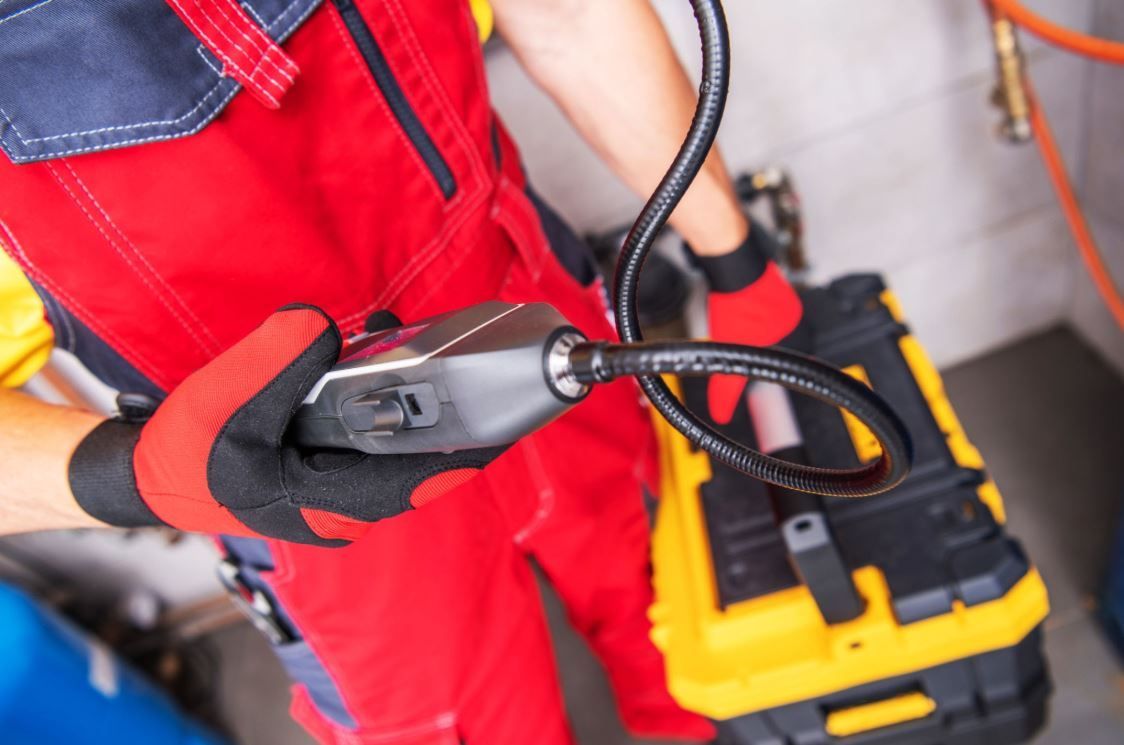
A plumber starts by identifying where the leak originates. They’ll inspect the fill valve, flapper, supply line, tank seals, and wax ring. Using colored dye and moisture sensors, they pinpoint even subtle leaks invisible to the naked eye.
Step 2: Shutoff and Cleanup
Before repairs begin, they’ll turn off the water supply and drain the tank and bowl. Any standing water is cleaned to prevent further damage or slipping hazards.
Step 3: Replace Faulty Components
Depending on the diagnosis, the plumber may:
Install a new flapper or fill valve
Replace the wax ring and reseat the toilet
Tighten or replace tank bolts and gaskets
Repair or replace the supply line hose
Seal any minor porcelain cracks with specialized plumbing epoxy (for small cracks only)
For more extensive damage, they may recommend replacing the toilet entirely—especially if it’s over 15 years old or uses outdated high-water flush systems.
Step 4: Test and Recalibrate
After repairs, the plumber refills the tank, adjusts the water level, and checks for continued leaks. They often conduct a dye test to confirm the seal holds under normal water pressure.
Step 5: Preventive Maintenance Tips
Good plumbers also educate homeowners on how to avoid future issues, recommending things like:
Replacing parts every few years
Avoiding harsh chemical cleaners inside the tank (which degrade rubber components)
Checking for condensation and loose bolts periodically
Scheduling annual plumbing inspections
This proactive approach ensures the repair lasts and your toilet remains efficient long-term.
DIY Fix vs. Professional Plumbing Help
Some toilet leaks look simple enough for DIY repair—but doing it wrong can lead to bigger problems later. Here’s how to decide:
Safe for DIY
Replacing a worn flapper or fill valve (if you’re comfortable following instructions)
Tightening loose tank bolts gently
Replacing the supply line hose with a matching one
Best Left to Professionals
Re-seating the toilet with a new wax ring
Fixing cracks in the tank or bowl
Replacing corroded shutoff valves or gaskets
Diagnosing mysterious or ongoing leaks
Professional plumbers have specialized tools like leak detectors, torque wrenches, and sealant systems—and they guarantee their work. In most cases, hiring a plumber costs less than the damage caused by a failed DIY fix.
Cost of Fixing a Leaking Toilet
Costs vary depending on what needs repair. On average:
Flapper or valve replacement: $75–$150
Supply line or bolt replacement: $100–$200
Wax ring reseal: $150–$300
Toilet replacement: $300–$800 (including labor)
While these prices vary by location and brand, remember that even a slow leak can waste hundreds of dollars in water each year. Fixing it promptly often pays for itself within months.
How Plumbers Help Prevent Future Leaks
Professional plumbers don’t just stop the current leak—they ensure your toilet stays trouble-free for years. Here’s how they help with long-term prevention:
Upgrading Components:
They often replace outdated valves and flappers with modern, water-efficient technologies that seal better and last longer.
Inspecting Supply Lines:
Flexible stainless-steel hoses and quality shutoff valves resist corrosion and leaks much better than older PVC connections.
Installing Water-Saving Toilets:
If your toilet is an older model using more than 3.5 gallons per flush, upgrading to a high-efficiency (1.28 GPF) model can reduce water usage by up to 70%.
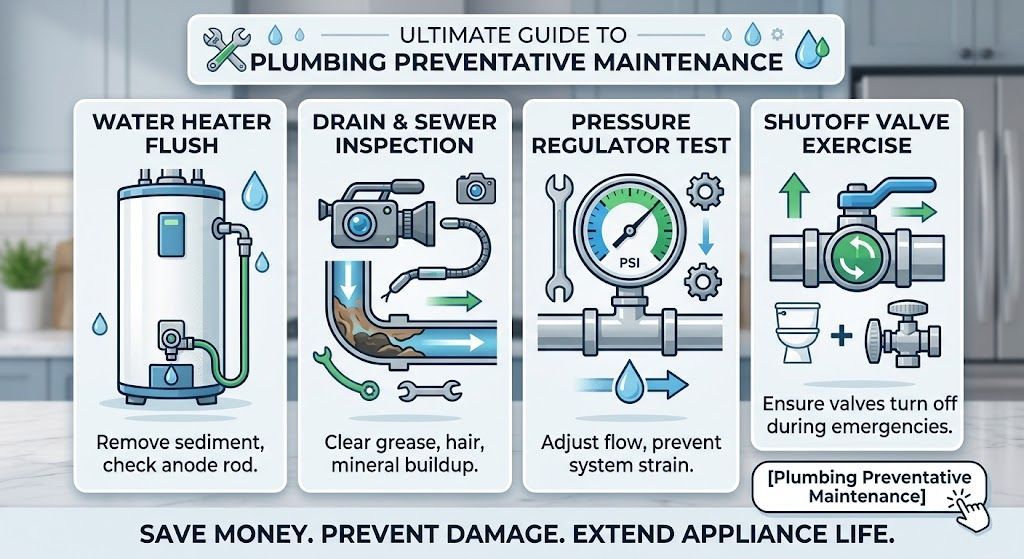
Performing Pressure Checks:
Excessive water pressure can cause ongoing seal damage. Plumbers measure and, if necessary, install a pressure regulator to protect fixtures.
Scheduling Regular Maintenance:
Annual or biannual check-ups ensure small issues—like mineral buildup or minor valve wear—are caught before they escalate into leaks.
These preventive steps extend the lifespan of your plumbing system and give you lasting peace of mind.
Eco-Friendly Fixes and the Importance of Water Conservation
Water leaks don’t just raise your utility bill—they waste a vital resource. According to the EPA, household leaks nationwide account for nearly one trillion gallons of wasted water each year. A leaking toilet can lose up to 200 gallons daily without obvious signs.
By hiring a plumber promptly, homeowners contribute to larger environmental goals. Many plumbing companies even offer EPA WaterSense® certified parts and fixtures designed to minimize waste. Choosing these during a repair helps conserve water and lowers costs simultaneously.
When a Toilet Replacement Makes More Sense
Sometimes, repairing a leaky toilet only postpones the inevitable. If your fixture is old, inefficient, or frequently breaking down, plumbers often recommend replacement over repeated repairs.
You should consider a new toilet if:
It’s more than 15 years old.
You’ve needed multiple repairs in the last two years.
The porcelain is cracked or severely stained.
You want to reduce your water usage dramatically.
Modern toilets feature dual-flush technology, pressure-assisted flush systems, and sleek, easy-to-clean designs. The upgrade can make your bathroom more efficient and stylish while preventing future leaks altogether.
Hiring the Right Plumbing Professional
When your toilet leaks, working with a qualified plumber is key to ensuring a long-term fix. Here’s what to look for:
Licensing and insurance: Verify that the plumbing company is licensed in your state and carries proper insurance.
Experience: Choose a plumber with proven residential plumbing experience, particularly in bathroom leak detection.
Transparent pricing: A reputable plumber provides upfront quotes, explaining parts and labor clearly.
Guarantee: Look for warranties on parts and service—signs of a company that stands behind its work.
Customer reviews: Check online reviews and local testimonials to gauge reliability and professionalism.
By selecting the right expert, you’ll not only solve today’s problem but also establish a reliable contact for future maintenance needs.
How to Avoid Toilet Leaks Altogether
After repair or replacement, a few easy habits will keep your toilet healthy:
Avoid flushing wipes, paper towels, or hygiene products that cause clogs and stress the system.
Check tank parts annually, replacing rubber components as needed.
Inspect your floor regularly for signs of moisture.
Gently tighten loose bolts—never over-tighten porcelain components.
Turn off the supply line if you plan to leave home for extended periods.
Consistency is key. Treat your toilet as a vital appliance, and it will serve you reliably for decades.
The Bottom Line
A leaking toilet is more than a nuisance—it’s an invisible drain on your wallet, your floors, and even your home’s structure. The good news? With prompt, professional attention, the fix is straightforward and lasting.
Plumbers bring both the technical skills and specialized tools required to track down leaks, replace worn parts, and restore efficiency quickly. Whether your issue stems from a worn flapper, faulty wax ring, or damaged tank, expert help ensures the repair is done right the first time.
By addressing leaks early and scheduling ongoing maintenance, you’ll not only stop the waste but also extend the life of your plumbing system—and protect one of your home’s most essential fixtures.