Slow drains can seem like a minor annoyance, but sometimes they are the first warning sign of serious sewer problems. Homeowners who understand the difference can act early, avoid water damage, and prevent costly emergencies.
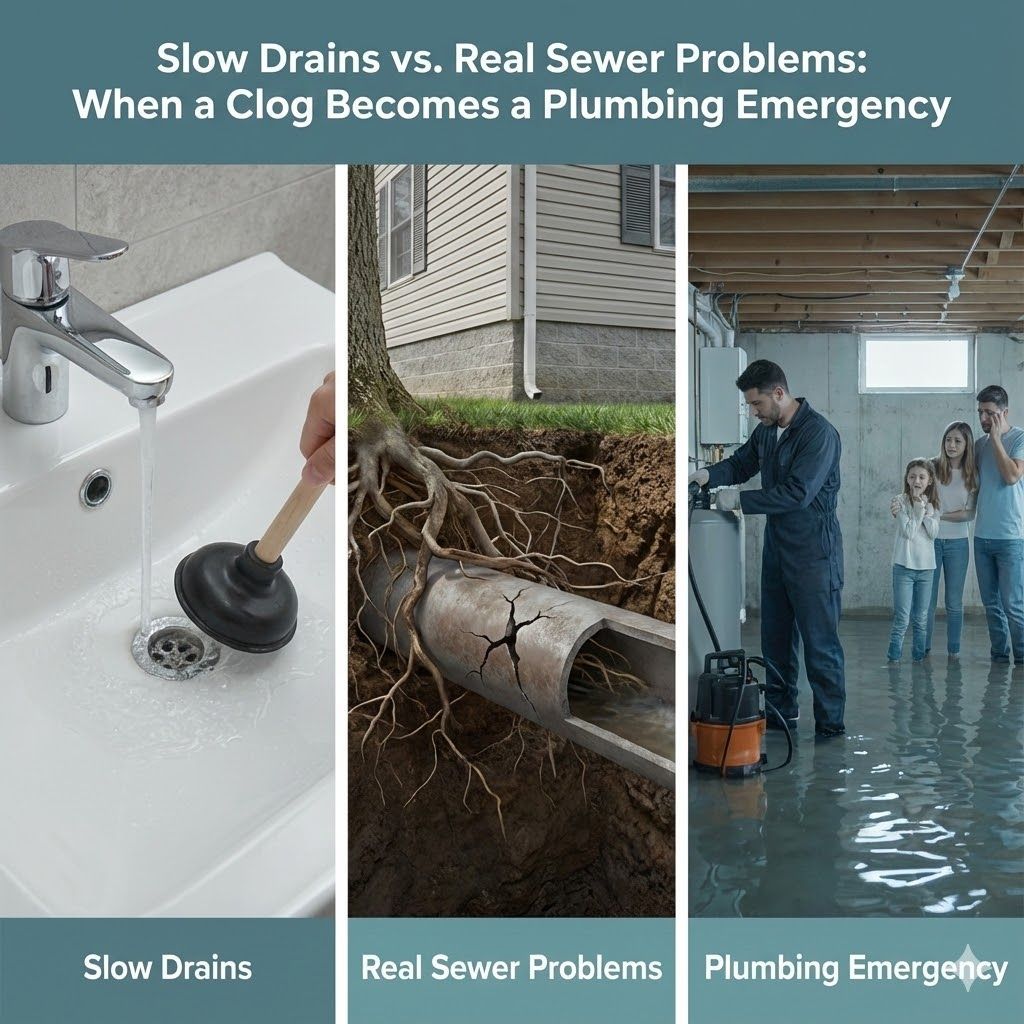
Slow Drains vs. Real Sewer Problems: When a Clog Becomes a Plumbing Emergency
Introduction: Why “Just a Slow Drain” Can Be Dangerous
A sluggish sink or tub is easy to ignore—until it turns into a backed‑up shower, a foul smell in the house, or sewage bubbling up in a floor drain. The tricky part is that slow drains and sewer problems often look similar at first. The key is knowing which signs suggest a simple fixture clog and which point to a bigger issue in your main sewer line.
This guide breaks down the differences, explains the red flags, and shows when it is time to call a professional plumber before a nuisance becomes a real plumbing emergency.
What Is a Simple Slow Drain?
A slow drain usually means there is a blockage close to the fixture itself: hair in a shower drain, grease in a kitchen sink, or soap scum and toothpaste in a bathroom sink. These clogs tend to be:
Localized to a single sink, tub, or shower
Gradual, not sudden
Solved by clearing the trap, removing debris, or using a small drain snake
In these cases, the rest of the house typically drains just fine. If only one drain is affected and everything else works normally, you are probably dealing with a minor clog rather than serious sewer problems.
What Are Sewer Problems?
Sewer problems involve your main sewer line—the large pipe that carries wastewater from your home out to the city sewer or septic system. When there is a blockage, break, or collapse in this line, it affects multiple fixtures and can put your home at risk for sewage backups.
Common causes of sewer problems include:
Tree root intrusion into the sewer line
Grease, wipes, and debris collecting in the main pipe
Broken, cracked, or collapsed sewer pipes
Aging or corroded cast‑iron lines
Poor installation or ground shifting around the line
Because the main sewer line serves the whole home, issues here tend to show up in multiple drains at once.
Key Differences: Slow Drain vs. Sewer Problem
Simple Slow Drain (Likely Minor):
Only one fixture drains slowly (one sink, one shower, one tub)
The problem is limited to that area and does not affect toilets
Clearing hair, food debris, or the P‑trap improves the drain
There are no sewage odors coming from other fixtures
Potential Sewer Problems (More Serious):
Multiple drains in different areas of the home are slow or backing up
Flushing a toilet makes water gurgle in a tub, shower, or nearby sink
Sewage odor or visible wastewater is present in low‑lying drains or floor drains
Drains back up repeatedly even after basic cleaning
If more than one fixture is acting up at the same time—or fixing one drain does not help the rest—it is time to suspect sewer problems, not just a small clog.
Early Warning Signs of Sewer Problems
Catching sewer problems early can be the difference between a quick repair and a full‑blown plumbing emergency. Pay attention if you notice:
1. Gurgling Sounds
When you flush the toilet and hear bubbling or gurgling in a nearby tub or sink, that means sewer gases and air are struggling to escape through the clogged line. This often points to a venting issue or main line blockage, not just a local clog.
2. Multiple Slow Drains at Once
If the kitchen sink, a shower, and a bathroom sink all start draining slowly within a short time frame, the restriction is likely in the main sewer line that all those fixtures share.
3. Backups in Low Drains
Sewage or dirty water appearing in a basement drain, first‑floor shower, or laundry room floor drain is a strong sign that wastewater cannot escape through the main sewer line and is reversing direction into the lowest openings in the house.
4. Persistent Odors
A faint sewer smell near drains, especially on lower floors or near floor drains, usually means gases are not venting properly and waste is lingering in the line. Persistent odors should never be ignored.
5. Frequent Plunging and Recurring Clogs
If you are plunging toilets and clearing drains more often than usual, and the problem keeps returning, you may be dealing with partial sewer problems that temporarily clear but quickly clog again.
When a Simple Clog Turns into a Plumbing Emergency
Not every slow drain is an emergency, but certain situations require immediate attention to protect your property and health. A clog becomes a plumbing emergency when:
Water or sewage is actively overflowing from a toilet, tub, or floor drain
Wastewater is backing up into multiple fixtures at the same time
You notice sewage coming up in a shower or tub when the washing machine drains
You cannot use essential fixtures (toilets, showers, sinks) without causing backups
In these cases, continuing to use water in the home will only make the situation worse. The line is likely severely blocked or failing, and professional help is needed right away to clear or repair the main sewer line.
Common Causes of Sewer Problems
Understanding the common causes of sewer problems makes it easier to change habits and recognize patterns before they escalate.
1. Tree Roots
Tree and shrub roots naturally seek out water. Tiny cracks or joints in your sewer line leak moisture into the surrounding soil, inviting roots in. Once inside, roots grow into a dense web that catches toilet paper and waste, eventually blocking the pipe.
2. Grease Buildup
Pouring cooking oil, fatty leftovers, or greasy liquids down the sink can create a thick coating on the inside of the pipe. Over time, this buildup narrows the sewer line until it eventually clogs, especially when combined with other debris.
3. “Flushable” Wipes and Hygiene Products
Many products labeled “flushable” break down too slowly and tend to snag on small imperfections inside pipes. When mixed with hair, grease, and other solids, they form tough blockages that are difficult to clear.
4. Aging or Damaged Pipes
Older homes may have cast‑iron, clay, or Orangeburg sewer pipes, which are more prone to corrosion, cracking, and collapse. Ground movement, heavy vehicle traffic over the line, or poor backfill can also damage newer pipes.
5. Poor Installation or Bellies in the Line
If the sewer line was not installed with the proper slope, or if parts of the pipe have settled and created a “belly” where waste collects, frequent clogs and backups are likely.
DIY Fixes: When They’re OK and When They’re Not
Safe DIY for Minor Slow Drains:
Remove and clean the sink stopper or shower drain cover
Use a small, plastic drain tool to pull out hair or debris
Clean the P‑trap under a sink (for those comfortable doing basic plumbing)
Run hot water and dish soap (for minor grease in a kitchen sink)
If these steps restore normal flow—and other fixtures drain well—you have likely solved a local clog.
Avoid DIY for Suspected Sewer Problems:
Do not keep flushing or running water if multiple fixtures are backing up
Avoid chemical drain cleaners, which can damage pipes and offer only temporary relief
Do not attempt to run rental equipment (like large drain snakes) without experience—these can damage pipes, injure users, or push a clog further down
When you suspect sewer problems, the best move is to stop running water and contact a professional plumber to inspect and clear the main line.
How Professionals Diagnose Sewer Problems
A licensed plumber has tools and training that go far beyond household plungers and store‑bought drain cleaners. For suspected sewer problems, professionals typically use:
1. Professional Drain Snakes (Augers)
These heavy‑duty tools can travel farther into the sewer line, break up dense clogs, and restore basic flow. They are especially useful for tough blockages caused by wipes or compacted debris.
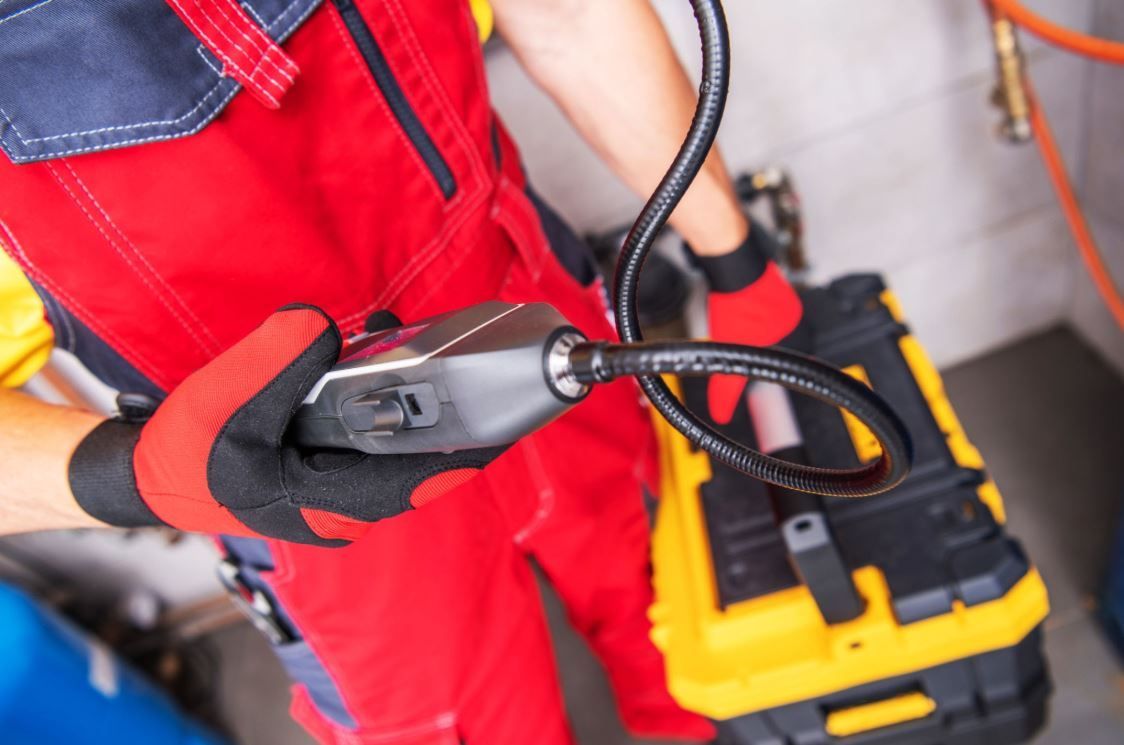
2. Sewer Camera Inspection
A small camera is fed into the line to visually inspect the inside of your sewer pipe. This shows:
The exact location of clogs or breaks
Whether roots, corrosion, or foreign objects are present
The overall condition and material of your sewer line
Camera inspections help determine whether a simple clearing is enough or if repair or replacement is needed.
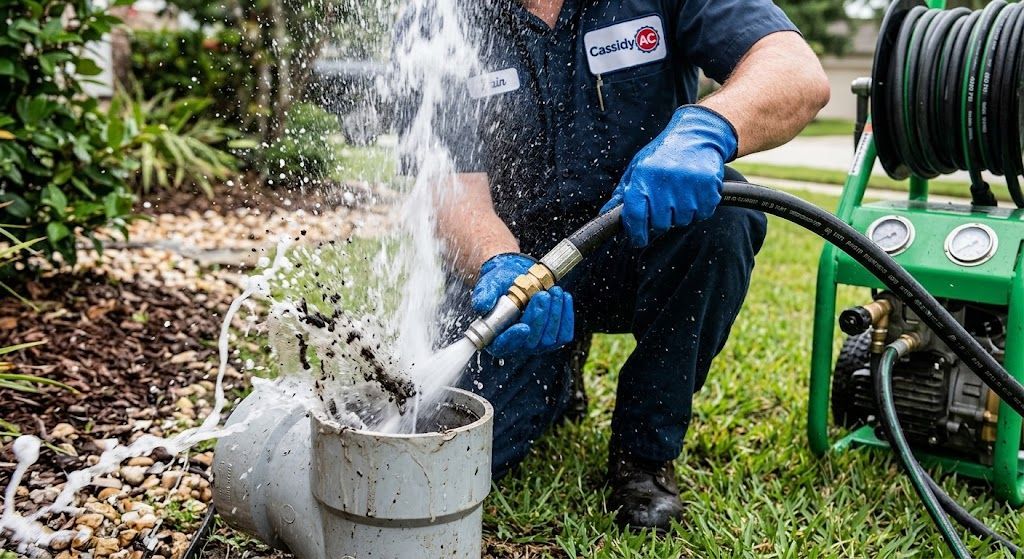
3. Hydro Jetting
For heavy grease, sludge, or root intrusion, hydro jetting uses high‑pressure water to scour the inside of the pipe. This can restore the pipe’s internal diameter and provide a more thorough cleaning than snaking alone.
Repair Options for Sewer Problems
If inspection reveals real sewer problems beyond a simple clog, your plumber may recommend one or more of the following solutions:
1. Spot Repairs
If only a small section of the pipe is damaged, a localized excavation and replacement can fix the problem without replacing the entire line.
2. Full Sewer Line Replacement
For severely corroded or collapsed pipes, replacing the entire run from the house to the main connection is often the most reliable long‑term solution.
3. Trenchless Repairs (Where Available)
Methods such as pipe lining or pipe bursting can sometimes repair or replace the sewer line with less digging, depending on soil conditions and existing pipe materials.
The right option depends on the age of the system, the extent of damage, local codes, and long‑term plans for the property.
How to Prevent Sewer Problems Before They Start
Homeowners can dramatically reduce the risk of sewer problems with a few consistent habits and basic maintenance.
1. Be Careful What You Flush
Only flush human waste and toilet paper. Do not flush:
Wipes (even “flushable” ones)
Paper towels or napkins
Feminine hygiene products
Dental floss, cotton swabs, or similar items
2. Keep Grease Out of the Drain
Let grease cool in a container and throw it in the trash. Wipe greasy pans with paper towels before washing. Even small amounts of grease add up over time.
3. Install and Clean Drain Screens
Use strainers in sinks and showers to catch hair and food particles. Clean them regularly so debris does not wash into the pipes.
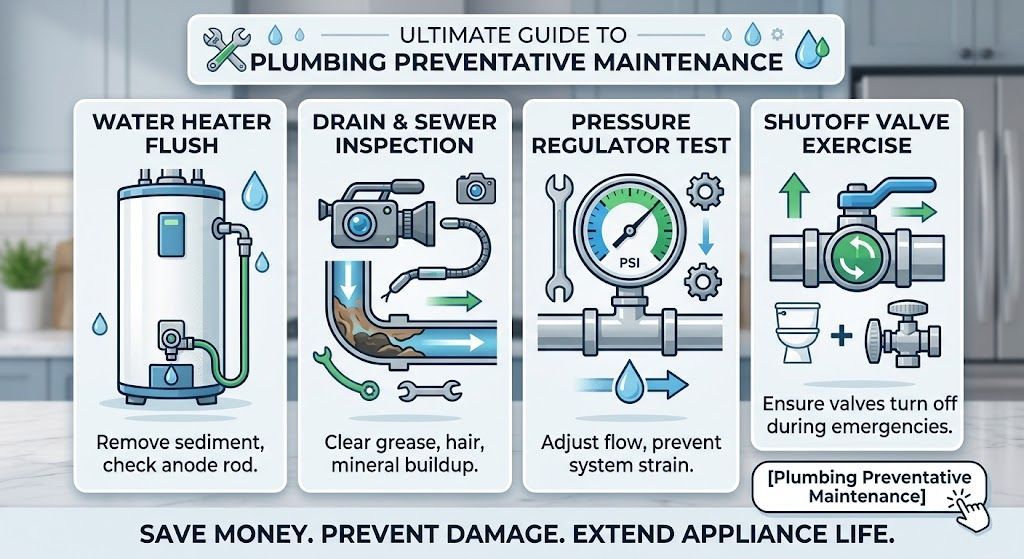
4. Schedule Preventative Drain and Sewer Maintenance
Periodic professional drain cleaning and camera inspections can catch early sewer problems—like root intrusion or developing bellies—before they turn into emergencies.
5. Address Outdoor Root and Landscaping Issues
Avoid planting large trees directly above or near your sewer line route. If you already have mature trees over the line, consider more frequent inspections to watch for root intrusion.
When to Call a Plumber About Slow Drains
To keep things simple, call a professional plumber right away if:
More than one drain in your home is slow at the same time
You hear gurgling in drains or toilets when using other fixtures
Sewage odor is present inside the home
Water or waste is backing up into tubs, showers, or floor drains
You have recurring clogs that keep coming back
These are classic warning signs that slow drains may be symptoms of larger sewer problems brewing beneath your home.
Final Thoughts: Staying Ahead of Sewer Problems
Not every
slow drain is a disaster, but many serious sewer problems start with little annoyances that are easy to ignore. Paying attention to early warning signs, avoiding bad flushing and dumping habits, and scheduling professional inspections can save thousands of dollars and protect your home from messy, hazardous backups.
If you are dealing with multiple slow drains, strange gurgling sounds, recurring clogs, or any sign of sewage coming back into the house, treat it as more than a minor inconvenience. That is the moment a simple clog becomes a plumbing emergency—and the right time to bring in an expert to protect your home and restore your plumbing system to safe, reliable operation.