Protecting Your AC From Salt
Salt air and year-round humidity in Palm Beach County quietly wear down air conditioners faster than almost anywhere else in Florida, but homeowners can dramatically extend system life with the right protection habits and professional maintenance. This article walks through how salt air damages your AC, the warning signs to watch for, and practical steps to protect your coastal system so it keeps your home comfortable and efficient for years.
Life on the Coast Is Tough on AC Systems
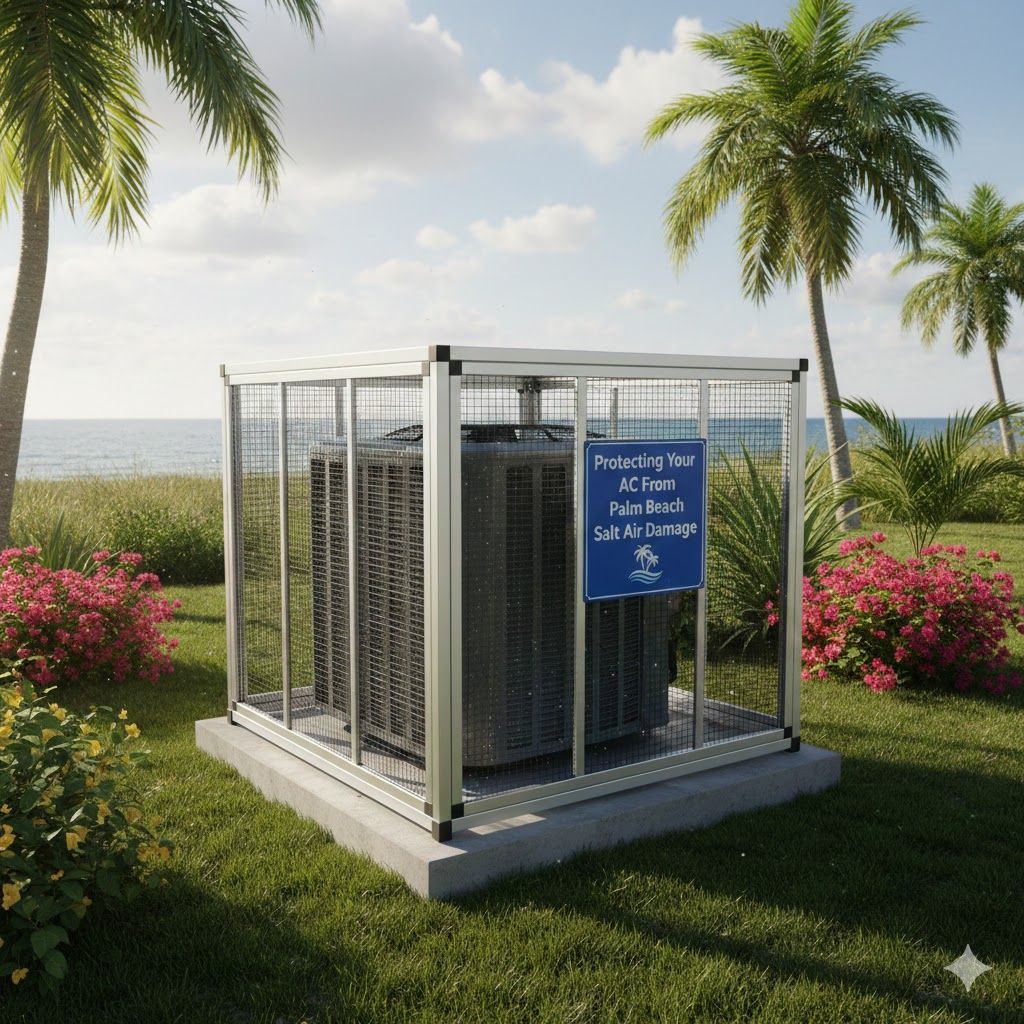
Living in Riviera Beach, Palm Beach Gardens, Jupiter, West Palm Beach, and the surrounding coastal areas means your AC runs long hours in hot, humid, salty air. The same sea breeze that makes the area so attractive also carries fine salt particles that settle on metal surfaces—including your outdoor AC unit.
Those salt particles mix with moisture in the air and create a thin, corrosive film on coils, fins, and cabinet surfaces. Over time, this film eats away at metal, reduces efficiency, and can shave years off the life of an unprotected system compared to one operating farther inland.
How Salt Air Damages Your AC
Salt air doesn’t destroy a system overnight; instead, it causes slow, progressive damage that often goes unnoticed until performance drops or a major repair is needed. Understanding what is happening inside and outside your unit makes it easier to spot problems early and plan smart protection.
On the outdoor unit, salt and moisture cling to the condenser coils and aluminum fins, causing pitting, corrosion, and flaking that restrict heat transfer. When coils cannot release heat properly, your system runs longer, uses more energy, and struggles to keep the home comfortable—especially on the hottest, stickiest days.
Key Components at Risk in Coastal Homes
Several AC components are particularly vulnerable in Palm Beach County’s salt-heavy environment. When these parts begin to corrode or fail, you may notice rising energy bills, unusual noises, or uneven cooling throughout the home.
Condenser coils and fins: Corrosion on fins reduces airflow and heat transfer, forcing the compressor to work harder and increasing the risk of breakdowns.
Refrigerant lines and copper tubing: Salt corrosion can eventually lead to pinhole leaks, loss of refrigerant, and expensive repairs or replacement.
Cabinet, fasteners, and structural parts: Rust on panels, brackets, and screws weakens the unit physically and can expose internal components to more salt and debris.
Electrical connections and control boards: Moist, salty air accelerates oxidation on terminals and circuit boards, increasing the risk of shorts, failures, and intermittent operation.
The Role of Humidity and Coastal Weather
Palm Beach County’s climate combines high humidity, frequent storms, and long cooling seasons, all of which increase stress on your AC system. High humidity means your unit must remove large amounts of moisture from indoor air every time it runs, adding workload and wear to components.
Outdoors, repeated wet and dry cycles—morning dew, midday sun, afternoon storms—keep salt and moisture cycling on and off metal surfaces, which speeds up corrosion. Sand and fine debris carried by wind can also lodge in coil fins, trapping salty moisture and making corrosion even worse if the unit is not kept clean.
Signs Your Coastal AC Is in Trouble
Because corrosion and
salt damage often start small, early warning signs are easy to ignore until performance problems become obvious. Watching for subtle changes helps you schedule service before minor issues turn into major failures or a complete system replacement.
Common red flags for coastal AC systems include:
Visible rust or white crusty deposits on the outdoor unit, especially on coils and screws.
Rising electric bills even though thermostat settings and usage habits have not changed.
Longer run times, warm or uneven rooms, or a system that cycles frequently without keeping up.
New rattling, buzzing, or grinding noises from the outdoor unit that suggest failing fans or corroded parts.
Musty odors indoors, excess humidity, or recurring mold around vents and windows, indicating the system is struggling to dehumidify.
If you notice more than one of these symptoms, the system likely needs a professional inspection to check coils, refrigerant levels, electrical connections, and overall condition.
Simple Homeowner Habits That Help
While coastal corrosion cannot be eliminated completely, consistent homeowner care can slow it down and preserve performance between professional visits. These small, routine actions are especially valuable for homes close to the Intracoastal or the beach, where salt exposure is highest.
Keep the area around the outdoor unit clear by trimming plants and removing debris so air flows freely and moisture can evaporate.
Rinse the outdoor cabinet gently with fresh water periodically (not high pressure) to remove surface salt and dirt, especially during peak season.
Check that the unit sits level and that the slab or pad drains properly so water does not pool beneath or around the cabinet.
Change or clean air filters on schedule—often monthly during high-use months—to protect indoor coils and maintain airflow for proper dehumidification.
Inside, keeping supply and return vents unblocked, monitoring humidity, and promptly addressing any signs of condensation or moisture staining will also support system performance.
Why Professional Coastal Maintenance Matters
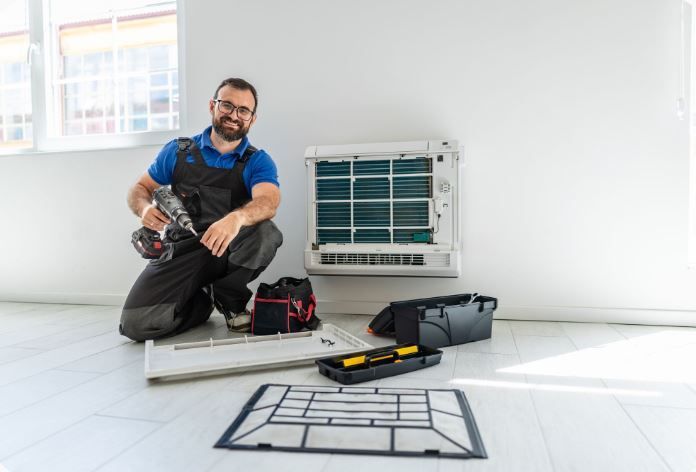
In a coastal climate like Palm Beach County’s, professional maintenance is not optional—it is the main line of defense against salt, humidity, and premature AC failure. Regular tune-ups allow technicians to catch corrosion early, clean sensitive components safely, and recommend upgrades that match local conditions.
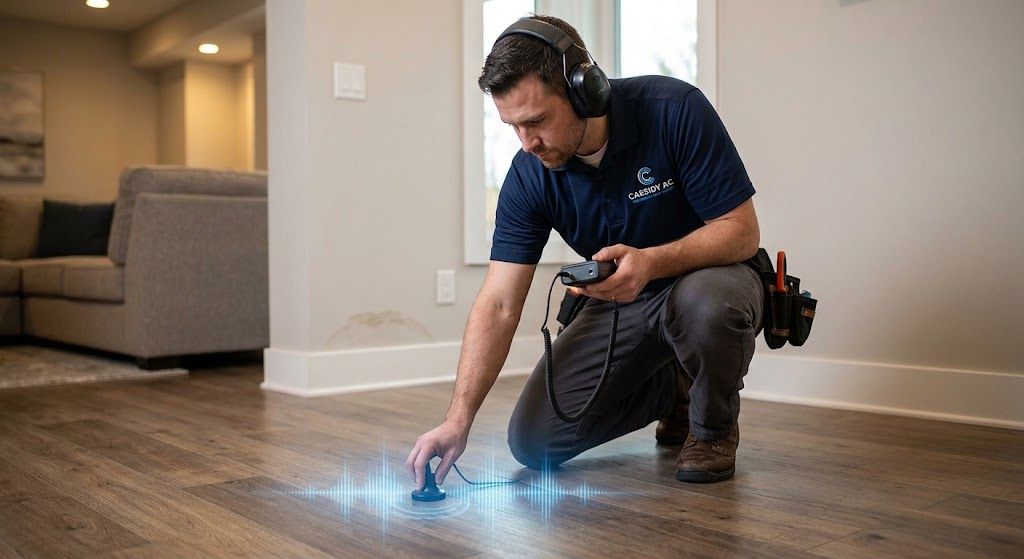
A thorough coastal maintenance visit typically includes rinsing or cleaning condenser coils, inspecting fins for damage, checking refrigerant lines for corrosion, and testing electrical connections for signs of oxidation. Technicians also verify airflow, inspect drain lines for clogs or algae, and confirm that the system is dehumidifying correctly, which is critical for indoor comfort and mold prevention.
Protective Upgrades for Palm Beach Homes
Some systems and homeowners benefit from additional protections designed specifically for coastal environments. These upgrades can add years of life to a system and reduce the risk of surprise breakdowns during peak heat.
Options to discuss with a trusted local contractor include:
Corrosion-resistant or “coastal rated” outdoor units with enhanced coatings, hardware, and materials built to withstand salt exposure.
Professional coil coatings applied to existing equipment, when appropriate, to create a barrier between salt and metal surfaces.
Strategic placement or shielding that keeps equipment out of direct salt spray and reduces exposure to wind-driven rain and sand.
Upgraded filtration and duct sealing for homes where sand, dust, or unconditioned attic air is frequently pulled into the system.
For properties very close to the water, more frequent maintenance—often twice a year plus occasional fresh-water rinses—may be recommended to keep salt buildup under control.
Protecting Indoor Air Quality in a Coastal Climate
Salt damage mainly affects outdoor components, but the consequences show up indoors as comfort and air quality issues if the system can’t do its job effectively. When coils are dirty or corroded and airflow is restricted, the AC struggles to remove moisture, allowing mold and mildew to thrive in damp areas of the home.
Keeping your system clean and well-maintained supports better humidity control, which reduces musty odors, helps protect furnishings and finishes, and creates a healthier environment for family members with allergies or respiratory sensitivities. In some cases, homeowners may also benefit from added indoor air quality solutions, such as improved filtration or supplemental dehumidification, tailored to local conditions and home design.
When to Repair and When to Replace
Coastal systems often reach the repair-or-replace crossroads sooner than inland units because of accelerated wear and corrosion. Deciding what to do depends on age, extent of corrosion, repair history, and how close the home is to the coast.
As a general guideline, if an older system has significant coil corrosion, repeated refrigerant leaks, or multiple costly repairs within a short period, replacement with a more efficient, salt-resistant model may be the smarter long-term investment. For newer systems with isolated corrosion or minor performance issues, targeted repairs combined with improved maintenance and protective measures can often restore reliable operation.
The Cassidy Way for Coastal Comfort
Homeowners in Palm Beach and Martin counties benefit from working with a contractor experienced in local coastal conditions and familiar with how salt, storms, and humidity affect real-world systems. A family-owned company with decades of experience in the region can design maintenance plans and system upgrades around the realities of Riviera Beach, Palm Beach Gardens, Jupiter, West Palm Beach, Boca Raton, and nearby communities.
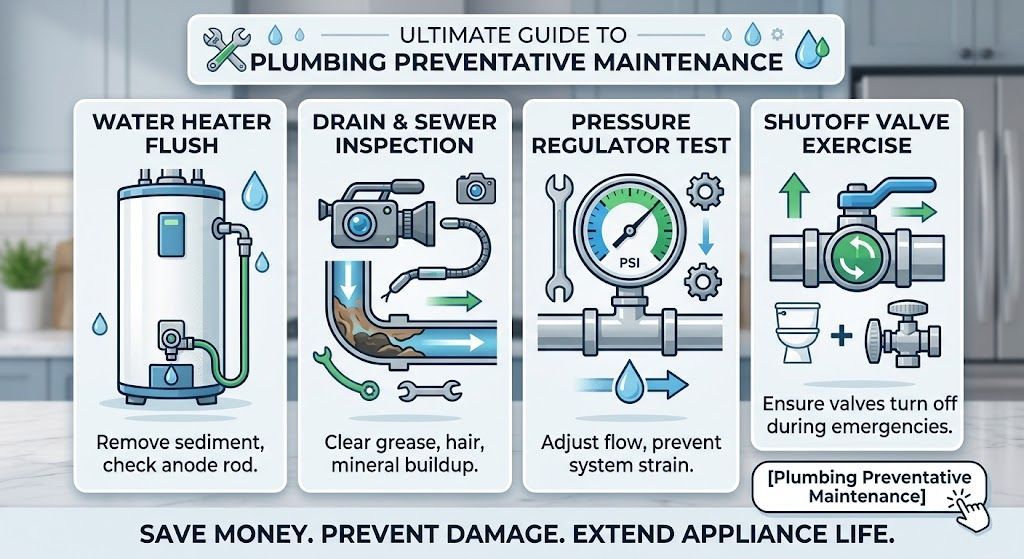
Round-the-clock service availability, comprehensive AC repair and replacement options, and plumbing and water heater expertise together help protect both comfort and home value in a demanding coastal environment. By combining homeowner habits, professional coastal maintenance, and smart system upgrades, you can keep salt air from winning the battle against your AC and enjoy reliable, efficient cooling season after season in Palm Beach County.