Living in vibrant coastal communities like Palm Beach and Jupiter is the ultimate Florida dream. The gentle rustle of palm fronds, the magnificent ocean views, and the refreshing, therapeutic sea breeze are unmatched. We trade the brutal winters of the North for endless sunshine and the salt life. Yet, that spectacular environment holds a silent, slow-acting, and relentless enemy to one of your home's most essential systems: your air conditioner.
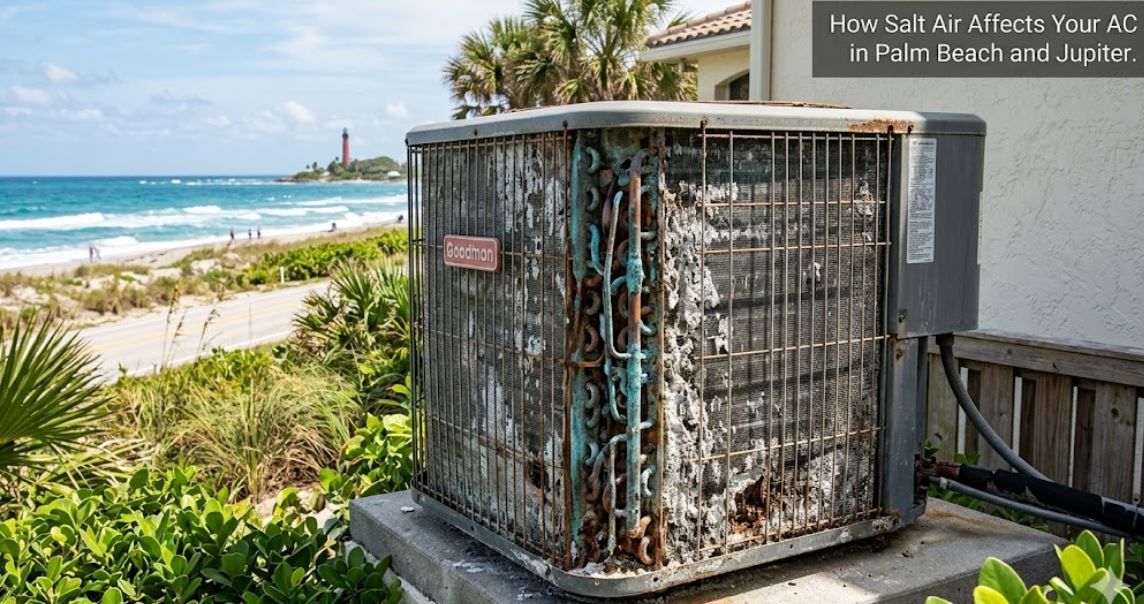
That glorious salt air, the very essence of coastal living, is actually a complex, highly corrosive aerosol. It's a fine mist carrying microscopic sodium chloride (salt) particles, along with other minerals and moisture, that continuously blankets your entire property. While your car might show the effects after a day at the beach, your outdoor AC unit is exposed 24/7/365. This persistent exposure triggers a complex chemical process that dramatically shortens the lifespan of HVAC components that weren't designed to withstand it.
For homeowners in Palm Beach, Jupiter, and across the scenic, salt-drenched landscape of Palm Beach County, understanding this phenomenon isn't just an academic exercise. It is crucial for proactive maintenance, optimizing performance, and, most importantly, preventing a catastrophic (and expensive) premature AC failure on a sweltering July day.
The Chemical Battle: Why Salt Air is So Destructive
The fundamental problem is that the core components of your AC's outdoor unit—the complex network of aluminum fins and the copper tubing known as the condenser coil—are chemically susceptible to chloride.
Galvanic Corrosion: The Invisible Killer
Standard air conditioners are often built by bonding dissimilar metals, most commonly aluminum fins pressed onto copper tubes. When these two metals are joined and exposed to an electrolyte, a specialized form of corrosion called galvanic corrosion occurs.
Saltwater, in the form of ocean mist, is a super-charged electrolyte. It accelerates this process exponentially. Think of the coil itself becoming a giant, self-destroying battery. The aluminum (the anode) sacrifices itself to protect the copper (the cathode). In the presence of salt, the aluminum corrodes incredibly quickly.
Pitting Corrosion: The Direct Assault
Chloride ions also attack the aluminum oxide layer that naturally protects the metal. This results in localized, deep-seated attacks known as pitting corrosion. This doesn't just surface-tarnish; it drills microscopic holes into the condenser coils and fins. These "pits" weaken the physical structure and, over time, will lead to refrigerant leaks, which are notoriously difficult and expensive to fix.
The Domino Effect on Your Comfort and Wallet
The impact of salt-air corrosion is far more than cosmetic. It directly degrades every metric of your AC system’s performance.
1. Dramatic Loss of Efficiency
The intricate aluminum fins are critical for heat exchange. Their entire purpose is to provide an enormous surface area for the refrigerant gas to release the heat it absorbed from your house. As the salt air attacks and corrodes these fins, they break down, detach from the copper tubing, and crumble. This loss of surface area and contact cripples the system's ability to shed heat. The AC unit must run significantly longer, and with much greater strain, to achieve the same cooling effect inside your home.
This means that a unit struggling against salt-air corrosion will show a noticeable spike in energy consumption, leading to rapidly inflating electricity bills.
2. Premature System Failure (The "Palm Beach Penalty")
The persistent stress from overworking, combined with the structural weakening from corrosion, significantly reduces the operational life of the unit. While a standard residential AC unit might last 12-15 years in an inland environment, a comparable unit without specialized protection in coastal Palm Beach County may fail in just
5 to 8 years. We call this the "Palm Beach Penalty"—the hidden, substantial cost of neglecting specialized coastal AC care.
3. Poor Indoor Air Quality and Humidity Issues
An overworked AC unit that is failing to efficiently transfer heat is often struggling to properly dehumidify the air. In South Florida, controlling humidity is even more critical than controlling temperature. If your unit is limping, your indoor air will feel sticky and muggy, creating the ideal conditions for mold, mildew, and dust mites to thrive. This directly impacts the air you breathe and your overall comfort.
Proactive Defenses for the Coastal Homeowner
Knowing the threat is half the battle. Fortunately, there are effective, proven strategies that homeowners in Jupiter and Palm Beach can adopt to defend their comfort and investment from salt air.
1. Frequent, Strategic Maintenance (The "Coastal Protocol")
Standard "spring and fall" maintenance is not sufficient for coastal properties. Homes within two miles of the coast require a specialized "Coastal Protocol" of proactive care.
- Rinse, Don’t Scrub: The single most important task is gently rinsing your outdoor unit to remove the salt buildup. Every 2-4 weeks, take a garden hose (on a low setting, not a power washer) and carefully spray the condenser coils from top to bottom. This neutralizes the electrolyte and breaks the galvanic circuit.
- Keep the Perimeter Clear: The outdoor unit needs exceptional airflow. Salt, dust, and debris (like sea oat particles or palm fronds) trap moisture and accelerate corrosion. Maintain at least a 24-inch clearing of any vegetation around the unit.
2. Invest in Coastal-Rated Equipment
If you are replacing your system, simply picking "the most efficient unit" isn't enough. You must prioritize coastal-rated equipment. Look for units that feature these specific upgrades:
- SeaCoast/Corrosion Protection: Major manufacturers like Trane, Carrier, and Lennox offer specific lines designed for coastal environments. These units feature enhanced protective coatings applied to the cabinet, fins, and, crucially, the entire coil assembly.
- Alternative Coil Materials: Technologies like all-aluminum coils (preventing galvanic copper/aluminum corrosion) or all-copper coils (naturally more resistant than aluminum, though less efficient) are alternatives that Cassidy AC can help you explore.
3. Use Professional-Grade Coil Coatings (Aftermarket)
For existing units, or if a specific model you need doesn't have a robust coastal coating, professional-grade aftermarket coatings are extremely effective. Coatings like QwikProducts QT2000 or similar professional urethanes are designed to create a non-porous barrier, effectively sealing the aluminum fins and copper tubing from the salt air entirely. This must be applied by a certified technician like those at CassidyAC, as improper application can actually reduce airflow.
How Cassidy AC Serves Palm Beach County
At CassidyAC, we aren't just an HVAC company; we are coastal protection specialists. We live, work, and serve in the very environment we discuss. We understand the specific, devastating impact of salt-air corrosion on properties from Jupiter Island down to West Palm.
We don't offer generic service. Our technicians are factory-trained and explicitly focused on the unique HVAC challenges facing Palm Beach County residents. When we service your home, we provide:
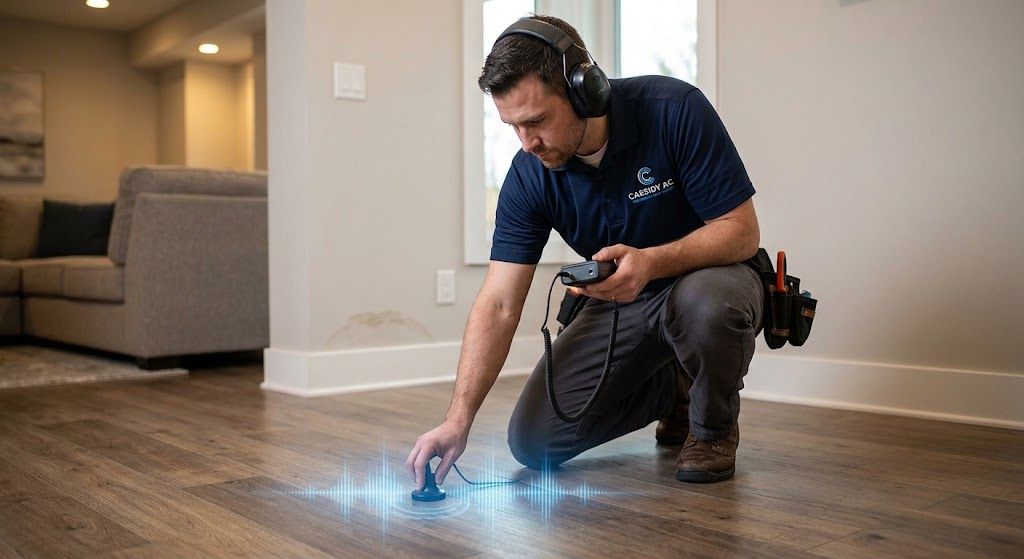
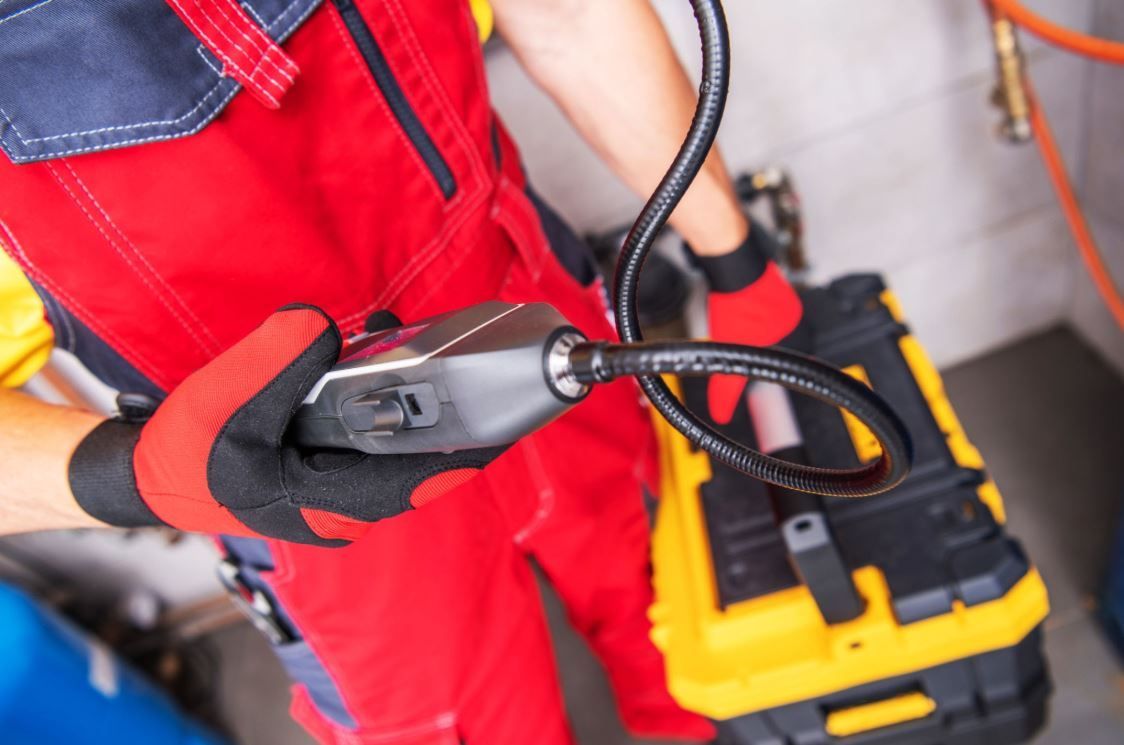
- Specialized Coastal Inspections: We don't just check the thermostat; we perform a detailed, multi-point inspection specifically checking for the unique indicators of salt damage, including fin detachment, pitting, and structural weakness.
- Customized Coastal Protection Plans: Every property is unique. A condo in downtown West Palm has different salt exposure than a beach bungalow in Jupiter. We create a maintenance plan tailored precisely to your property’s distance from the ocean and its specific layout.
- Coastal-Grade Installations: When it is time to upgrade, we ensure the unit we specify—from the highest SEER2 rating to the most robust corrosion coatings—is exactly what your home needs to thrive in this beautiful, but demanding, environment.
Conclusion: Defend Your Coastal Sanctuary
The stunning coastal lifestyle of Palm Beach and Jupiter shouldn't be undermined by constant AC anxiety and unpredictable repair bills. While salt air is a relentless force, it is a manageable threat. Understanding the "why" of the corrosion is the key to preventing its costly effects.
By committing to a strategy of persistent rinsing, choosing equipment built for the environment, and partnering with coastal HVAC experts like CassidyAC, you aren't just protecting an appliance. You are defending your comfort, your investment, and the unique lifestyle that makes
Palm Beach County the premier place to call home.